Display Bilingual:

[music] 00:05
Ho ho ho. 00:05
Santa 00:08
Claus is coming [music] 00:10
to town. You better watch [singing] out. 00:13
You better [music] not cry. You better 00:17
not pout. I'm telling you why. Santa 00:19
[music] Claus is coming to town. 00:22
[music] 00:27
He's making a list, checking it twice. 00:29
He's going to find [music and singing] 00:32
out who is naughty or nice. Santa Claus 00:33
is coming [music] 00:37
to town. 00:39
He sees you when you're sleeping. He 00:42
knows when you're awake. 00:46
He knows if you've [singing and music] 00:49
been bad or good. So be good for 00:51
goodness sake. Oh, you better watch out. 00:54
You better not cry. You [music] better 00:58
not [singing] pout. I'm telling you why. 01:00
Santa Claus is coming to town 01:03
[music] 01:14
with little tin [music] horns and little 01:20
toy drums. Rudy toot tootses and [music] 01:22
rummy [singing] tums. Santa Claus is 01:26
coming to town. [music] 01:29
And [singing] curly hair dolls, the 01:34
cuddling crew, elephant boats and 01:36
[music] kitty cars, [singing] too. Santa 01:39
Claus is coming to town. 01:42
[music] 01:46
The kids in girl and boy [singing] 01:47
will have a jubilee. 01:51
They're going [singing] to build a 01:54
[music] toy lamp town all around the 01:56
Christmas tree. Oh, you better watch 01:59
[music] out. [singing] You better not 02:02
cry. You better not pout. I'm telling 02:04
you why [music and singing] 02:07
Santa Claus is coming to town. [singing] 02:08
>> [music] 02:15
>> Come back to town. 02:15
[music] 02:22
[music] 02:28
[music] 02:34
[bell] 02:35

Santa Claus Is Comin' To Town – English Lyrics

🧠 Vocab, grammar, listening – it’s all in "Santa Claus Is Comin' To Town", and all in the app too!
By
Laufey
Viewed
621,636
Language
Learn this song

Lyrics & Translation

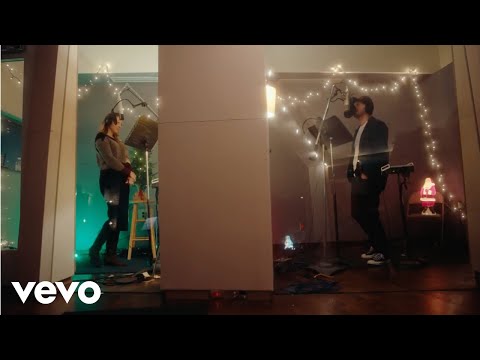
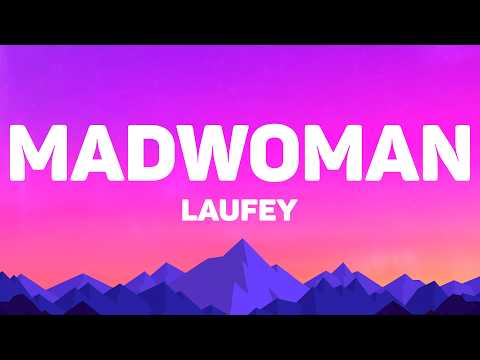
Discover Laufey's charming take on the holiday standard, "Santa Claus Is Comin' To Town." Her jazz-infused vocal style and warm instrumentation offer a beautiful entry point for listeners to connect with the sophisticated, romantic storytelling often found in classic jazz and mid-century orchestral music, all wrapped up in seasonal nostalgia.

[English]
[music]
Ho ho ho.
Santa
Claus is coming [music]
to town. You better watch [singing] out.
You better [music] not cry. You better
not pout. I'm telling you why. Santa
[music] Claus is coming to town.
[music]
He's making a list, checking it twice.
He's going to find [music and singing]
out who is naughty or nice. Santa Claus
is coming [music]
to town.
He sees you when you're sleeping. He
knows when you're awake.
He knows if you've [singing and music]
been bad or good. So be good for
goodness sake. Oh, you better watch out.
You better not cry. You [music] better
not [singing] pout. I'm telling you why.
Santa Claus is coming to town
[music]
with little tin [music] horns and little
toy drums. Rudy toot tootses and [music]
rummy [singing] tums. Santa Claus is
coming to town. [music]
And [singing] curly hair dolls, the
cuddling crew, elephant boats and
[music] kitty cars, [singing] too. Santa
Claus is coming to town.
[music]
The kids in girl and boy [singing]
will have a jubilee.
They're going [singing] to build a
[music] toy lamp town all around the
Christmas tree. Oh, you better watch
[music] out. [singing] You better not
cry. You better not pout. I'm telling
you why [music and singing]
Santa Claus is coming to town. [singing]
>> [music]
>> Come back to town.
[music]
[music]
[music]
[bell]

Key Vocabulary

Start Practicing
Vocabulary Meanings

Santa

/ˈsæntə/

A2
  • noun
  • - the name of the legendary gift‑giver who delivers presents at Christmas

Claus

/klɔːz/

A2
  • noun
  • - the surname of Santa; part of the name "Santa Claus"

coming

/ˈkʌmɪŋ/

A1
  • verb
  • - moving toward the speaker; arriving

town

/taʊn/

A1
  • noun
  • - a settlement larger than a village but smaller than a city

watch

/wɒtʃ/

A2
  • verb
  • - to look at or observe attentively

cry

/kraɪ/

A1
  • verb
  • - to shed tears; to make a loud vocal expression of distress

pout

/paʊt/

B1
  • verb
  • - to push out the lips as a sign of displeasure

list

/lɪst/

A1
  • noun
  • - a series of names, items, or terms written consecutively

naughty

/ˈnɔːti/

B2
  • adjective
  • - disobedient; mischievous

nice

/naɪs/

A1
  • adjective
  • - pleasant; agreeable; good

sleeping

/ˈslipiŋ/

A2
  • verb
  • - the act of being in a state of sleep

awake

/əˈweɪk/

B1
  • adjective
  • - not sleeping; conscious

good

/ɡʊd/

A1
  • adjective
  • - having positive qualities; desirable

bad

/bæd/

A1
  • adjective
  • - unfavorable; of poor quality

little

/ˈlɪtl/

A1
  • adjective
  • - small in size, amount or degree

toy

/tɔɪ/

A1
  • noun
  • - an object for children to play with

drums

/drʌmz/

A2
  • noun
  • - percussion instruments that are struck with sticks or hands

Christmas

/ˈkrɪsməs/

B1
  • noun
  • - the annual Christian festival celebrating the birth of Jesus, observed on December 25

build

/bɪld/

A2
  • verb
  • - to construct something by putting parts together

🧩 Unlock "Santa Claus Is Comin' To Town" – every sentence and word gets easier with the app!

💬 Don’t let tough words stop you – the app’s got your back!

Key Grammar Structures

  • You better watch out.

    ➔ Modal verb (better) for advice

    ➔ 'Better' is used here to give strong advice, similar to 'had better'. It suggests a recommendation or warning.

  • He's making a list, checking it twice.

    ➔ Present continuous tense

    ➔ The present continuous tense ('is making', 'checking') is used to describe actions happening now or around now.

  • He knows if you've been bad or good.

    ➔ Present perfect tense in 'if' clause

    ➔ The present perfect ('have been') is used in the 'if' clause to refer to actions that started in the past and are relevant to the present.

  • Santa Claus is coming to town.

    ➔ Present continuous for future plans

    ➔ The present continuous ('is coming') is often used to talk about future arrangements or plans that are definite.

  • Oh, you better not cry.

    ➔ Negative imperative

    ➔ The negative imperative ('better not cry') is used to give a strong prohibition or warning.