Display Bilingual:

舞い落ちる粉雪が 00:13
山の背を白く染める 00:16
寂れた村のあばら家で 00:25
二人、身を寄せ合う冬の夜 00:32
「出会った日も、雪だった」 00:38
あなたが微笑みつぶやく 00:44
囲炉裏火に火照った顔を 00:50
大きな袖の影に隠した 00:57
春の訪れを 01:03
息吹の歓びさえずる鳥達と歌う 01:09
「綺麗な声だね」とあなたが言った 01:16
ただそれが、その言葉が、嬉しくて 01:21
「いつか、綺麗な声が出なくなっても、 01:28
それでも、私を愛してくれますか?」 01:34
「当たり前だよ」って優しく笑い 01:41
そっと大きな手が頬を撫でた 01:47
青葉照る夏の午後 02:20
あなたが病に倒れた 02:24
貧しい夫婦暮らしでは 02:27
あなたを治す薬は買えない 02:32
明くる日も明くる日も 02:35
ただ、ひたすらに機を織る 02:39
儚き紅葉の葉のように 02:43
あなたの命を、散らせはしない 02:47
季節は流れて 02:52
夏の終わりを告げる鈴虫が、リン、と鳴く 02:57
「綺麗な指だね」と 03:00
傷だらけの手を握る、その手が 03:04
あまりにも冷たくて… 03:07
「いつか綺麗な指がなくなっても、 03:08
それでも私を愛してくれますか?」 03:12
「当たり前だよ」って 03:15
咳き込みながら 03:20
痛む指を大きな手が包んだ 03:24
昼も夜も機を織り続けて 03:25
――ああ ――落日の国―― 03:26
早く、早く、薬を買わなければ… 03:28
――無情に朽ちていく実の―― 03:31
もう少し、あと少し、紅葉が散る前に 03:32
――揺蕩い 吹き落とす―― 03:36
この指が止まるまで…この羽が、尽きるまで… 03:37
「いつか、私がヒトじゃなくなっても、 03:57
あなたは、私を愛してくれますか?」 04:03
怖くて真実は告げられぬまま 04:06
そっとひとり、最後の羽を折り… 04:11
「当たり前だよ」って僕は笑い 04:16
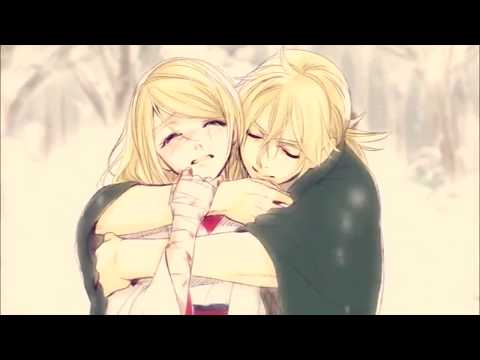
翼をなくした君を抱きしめ、言った 04:20
綺麗に羽ばたいたあの日の鶴を 04:24
ずっと、今でも覚えているよ 04:28
そして変わらず君を愛しているよ 04:32

四季折々の羽 – Bilingual Lyrics Japanese/English

🔥 "四季折々の羽" isn’t just for listening – open the app to dive into hot vocab and boost your listening skills!
By
HitoshizukuP x Yama△
Viewed
411
Language
Learn this song

Lyrics & Translation

Discover the beauty of the Japanese language through the touching narrative of '四季折々の羽'. This song offers a unique opportunity to learn expressive vocabulary related to emotions, nature, and traditional Japanese aesthetics. Its clear and melodic vocals make it an excellent piece for language learners to follow along with and appreciate the nuances of Japanese storytelling in music.

[English]
Powdery snowflakes dance and fall,
Blanketing the mountainside in white.
In a rundown hut in a quiet village,
Two hearts draw close on a winter’s night.
"The day we met, it was snowing too,"
You murmur, smiling softly.
Your face flushed by the hearth’s warm glow,
Hidden in the shadow of your wide sleeve’s fold.
As spring arrives,
Birds sing with joy, their melodies in the air.
"You have such a beautiful voice," you said.
Just that—those words—made me so glad.
"Even if one day my voice fades away,
Will you still love me, come what may?"
"Of course I will," you laughed gently,
Your large hand brushing my cheek tenderly.
In the green glow of a summer afternoon,
You fell ill, too soon.
In our poor life together,
We can’t afford the medicine you need.
Day after day,
I weave tirelessly at the loom.
Like fragile autumn leaves,
I won’t let your life scatter and cease.
Seasons flow by,
A bell cricket chimes, signaling summer’s end, clear and high.
"You have such beautiful fingers,"
You hold my scarred hands, but your touch is cold and bitter.
"Even if one day my fingers fade,
「いつか綺麗な指がなくなっても、
Will you still love me, come what may?"
"Of course I will,"
You cough, your voice weak.
Your large hand wraps around my aching fingers, meek.
Weaving day and night without rest,
――Ah――in the land of the setting sun――
Hurry, hurry, we must buy the medicine…
――As mercilessly, our time crumbles away――
Just a little more, before the autumn leaves decay.
――Swaying, blowing them all astray――
Until these fingers stop… until these wings give way…
"Even if one day I’m no longer human,
Will you still love me, as you’ve always done?"
Too afraid to speak the truth,
I quietly fold my final feather, alone in my youth.
"Of course I will," I smile and say,
Holding you close, now wingless, come what may.
I still remember the crane that soared so high,
Its graceful wings against the sky.
Forevermore.
[Japanese] Show

Key Vocabulary

Start Practicing
Vocabulary Meanings

粉雪

/こなゆき/

C1
  • noun
  • - powder snow, fine snow

舞い落ちる

/まいおちる/

C2
  • verb
  • - to flutter down, to fall lightly

染める

/そめる/

B1
  • verb
  • - to dye, to color

寂れる

/さびれる/

C1
  • verb
  • - to become desolate, to decline

あばら家

/あばらや/

C2
  • noun
  • - ramshackle house, dilapidated hut

囲炉裏

/いろり/

C2
  • noun
  • - sunken hearth, traditional Japanese fireplace

火照る

/ほてる/

B2
  • verb
  • - to feel hot, to flush (in the face)

訪れ

/おとずれ/

B1
  • noun
  • - visit, arrival

息吹

/いぶき/

B2
  • noun
  • - breath, spirit of life

さえずる

/さえずる/

B2
  • verb
  • - to chirp, to twitter

愛する

/あいする/

A1
  • verb
  • - to love

織る

/おる/

B1
  • verb
  • - to weave

儚い

/はかない/

C1
  • adjective
  • - fleeting, ephemeral

紅葉

/こうよう/

B1
  • noun
  • - autumn leaves, colored foliage

散らす

/ちらす/

B2
  • verb
  • - to scatter, to disperse

鈴虫

/すずむし/

C2
  • noun
  • - bell cricket

咳き込む

/せきこむ/

B2
  • verb
  • - to cough repeatedly

/はね/

A2
  • noun
  • - feather, wing

/つばさ/

B1
  • noun
  • - wing

/つる/

A2
  • noun
  • - crane (bird)

🚀 "粉雪", "舞い落ちる" – from “四季折々の羽” still a mystery?

Learn trendy vocab – vibe with music, get the meaning, and use it right away without sounding awkward!

Key Grammar Structures

  • 出会った日も、雪だった

    ➔ ~だった (past form of です)

    ➔ The phrase '雪だった' means 'it was snow' — using 'だった' to indicate a past state of being.

  • あなたが微笑みつぶやく

    ➔ ~が + verb (subject marker)

    ➔ ‘が’ marks ‘あなた’ as the subject performing the actions 'smile' and 'murmur' (微笑みつぶやく).

  • 春の訪れを息吹の歓びさえずる鳥達と歌う

    ➔ ~と + verb (with/and)

    ➔ ‘鳥達と歌う’ means ‘to sing with the birds’. The particle ‘と’ indicates companionship or cooperation.

  • いつか、綺麗な声が出なくなっても

    ➔ ~なくなっても (even if something stops happening)

    ➔ ‘出なくなっても’ means ‘even if (my voice) can no longer come out’. It expresses a hypothetical negative continuation.

  • 当たり前だよって優しく笑い

    ➔ ~って (quoting particle, informal)

    ➔ ‘だよって’ is a casual way of quoting or saying 'he/she said that...', often used in conversation.

  • 明くる日も明くる日も

    ➔ repetition for emphasis

    ➔ Repeating '明くる日も' emphasizes ‘day after day’, showing persistence or monotony.

  • もう少し、あと少し、紅葉が散る前に

    ➔ ~前に (before)

    ➔ ‘紅葉が散る前に’ means ‘before the leaves fall’. It expresses a time-related condition.

  • 怖くて真実は告げられぬまま

    ➔ ~まま (remaining in a certain state)

    ➔ ‘告げられぬまま’ means ‘without being able to tell (the truth)’. Indicates something left undone.

  • 翼をなくした君を抱きしめ、言った

    ➔ noun + を + verb (direct object marker)

    ➔ ‘君を抱きしめ’ shows '抱きしめる' (to embrace) takes '君' as its direct object with particle 'を'.