
Lyrics & Translation
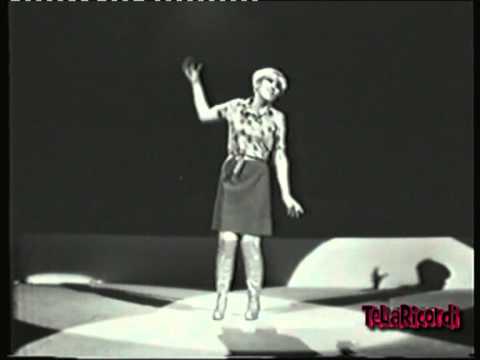
Dive into the evocative world of "Tutto Nero," Caterina Caselli's powerful 1966 cover of The Rolling Stones' "Paint It, Black." This song offers a unique opportunity to explore Italian lyrical expression, particularly how the language conveys deep emotions of loss and sorrow. Discover the nuanced differences in its narrative and the raw feeling packed into every word, making it a compelling piece for anyone eager to learn Italian through its rich musical heritage.
Key Vocabulary
We're updating this section. Stay tuned!
Key Grammar Structures
-
il cielo senza stelle è tutto nero
➔ Use of the present indicative tense to describe a state or characteristic
➔ The sentence uses the **present tense (è)** to state a fact about the sky.
-
Non ha più colore la mia vita senza di te
➔ Use of the present tense (ha) with indefinite adverb 'più' to indicate 'no longer' or 'any more'
➔ The verb **ha** (has) is in the present tense, combined with **più** (more/not anymore) to indicate the state of losing color.
-
E come un bimbo appena nato cerca il mondo
➔ Use of the present tense (cerca) to describe a habitual or ongoing action
➔ The verb **cerca** (seeks) is in the present tense, expressing an ongoing or habitual search.
-
Se la bianca aurora del mattino nera vedrò
➔ Use of the future tense (vedrò) to express what will be seen
➔ The verb **vedrò** (will see) is in the future tense, indicating anticipation of observing something.
-
L'inchiostro nero è diventato verde mare
➔ Use of the passato prossimo (è diventato) to describe a completed change of state
➔ The phrase **è diventato** (has become) is in passato prossimo, indicating a completed transformation.
-
E come un bimbo appena nato cerca il mondo
➔ Use of the present tense (cerca) to describe a habitual or ongoing action
➔ The verb **cerca** (seeks) in present tense indicates ongoing or habitual action.
Same Singer
Related Songs

stupid song
Olivia Rodrigo
expectations
Olivia Rodrigo
less
Olivia Rodrigo
what’s wrong with me
Olivia Rodrigo, Robert Smith
Begged
Olivia Rodrigo
purple
Olivia Rodrigo

Lemon
春茶, コバソロ

Cradles
Sub Urban

Diamonds
티파니 영(Tiffany Young), CHIQUITA(치키타)

I KNEW IT, I KNEW YOU
Taylor Swift
TNT
CORTIS
See Tình
Hoàng Thuỳ Linh, Tia

The Winner
Tape Machines, Frigga

White Flag
Tape Machines, Mia Pfirrman

Won't Help You This Time
Tape Machines, Ami Cissé

Believer
Tape Machines, Lvly

Hopelessly
Tape Machines, Revel Day

Trip With You
Tape Machines, Jaslyn Edgar

No Sugar Coated Love
Tape Machines, Jowen, SLCT
No Sugar Coated Love (oomiee Remix)
Tape Machines, Jowen, oomiee