
Lyrics & Translation
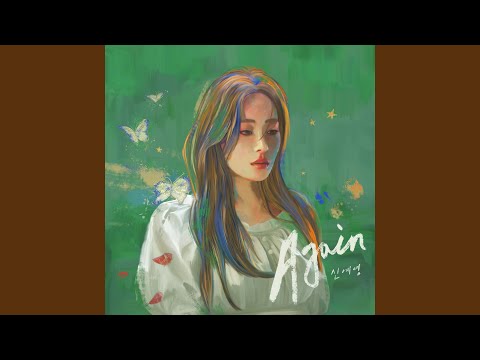
Dive into the heartfelt world of Korean ballads with Shin Ye-young's 'Again.' This emotionally rich R&B track beautifully conveys the universal feelings of longing and regret after a breakup. Through its poignant lyrics and Shin Ye-young's soulful delivery, listeners can explore nuanced expressions of love, loss, and the desire for a second chance. Learning the Korean lyrics will offer a deeper connection to the song's tender narrative and the artist's expressive vocal style, making it a perfect piece for understanding emotional Korean vocabulary and cultural sentiments.
Key Vocabulary
| Vocabulary | Meanings |
|---|---|
|
다시 /da̠ɕi/ A1 |
|
|
보고 /poɡo/ A1 |
|
|
울지 /ulʦi/ A1 |
|
|
기다리지 /gidarici/ A2 |
|
|
만나면 /mannameun/ A2 |
|
|
편하게 /pʲʌnhake/ A2 |
|
|
웃어줄 /useoʤul/ B1 |
|
|
마지막 /madʑimak/ A2 |
|
|
사랑 /sa̠ɾaŋ/ A1 |
|
|
상처 /saŋtɕʌ/ B1 |
|
|
떠오르다 /tɕʌɔɾda/ B1 |
|
|
잘못한 /ʤalmo̠ta̠n/ A2 |
|
|
눈물 /nunmul/ A1 |
|
|
감춰둘게요 /ɡamʧʌdulɡejɔ/ B2 |
|
|
기도했는데 /ɡido̠ha̠ndɛ/ B1 |
|
🚀 "다시", "보고" – from “Again” still a mystery?
Learn trendy vocab – vibe with music, get the meaning, and use it right away without sounding awkward!
Key Grammar Structures
-
그냥 알고 지내는 편한 친구로
➔ Present attributive -는
➔ The verb stem + "-는" makes the verb act as a modifier before a noun. In this line ""알고 지내는"" modifies "친구".
-
가끔씩 차도 마시며
➔ Connective -며 (and/while)
➔ "-며" links two actions, often with a nuance of doing them together. Here ""마시며"" links drinking tea with the previous clause.
-
슬픈 눈물 없이도
➔ Negative preposition -없이도 (even without)
➔ "-없이도" expresses that something holds true even when a certain element is absent. ""없이도"" means "even without" tears.
-
그대를 다시 보고 싶은데
➔ -고 싶다 + -ㄴ데 (desire + contrast)
➔ "-고 싶다" expresses a wish (“want to”). Adding "-ㄴ데" adds a nuance of contrast or reservation: "I want to see you again, but…"
-
그댈 몰랐던 그날로 돌아갈게요
➔ -던 (past descriptive) + -ㄹ게요 (speaker’s intention)
➔ "-던" attaches to a verb to recall a past state (“that I didn’t know”). "-ㄹ게요" signals the speaker’s future intention: “I will go back to that day.”
-
다시 그댈 만나면
➔ -면 (conditional)
➔ "-면" attaches to a verb to form a conditional clause: "if I meet you again…"
-
그대가 나의 마지막 사랑이었기를
➔ -었기를 (wish about the past)
➔ "-었기를" expresses a hopeful wish concerning a past state: “I wish (that) you had been my last love.”
-
아니었나 봐
➔ -나 보다 (guess/appear to be)
➔ "-나 보다" is used to express a guess based on observation: “It seems that it wasn’t.”
-
왜 이렇게 난 잘못한 일들만 자꾸 떠오르는지
➔ -는지 (indirect question / wonder)
➔ "-는지" attaches to a verb to embed a question within a statement, often expressing wonder: “I wonder why only my mistakes keep coming up.”
Album: Again
Same Singer
Related Songs

My Skin's On Fire
Loving Caliber

Don't You Wanna Stay
Loving Caliber

Those Eyes
New West

We Don't Talk Anymore
Charlie Puth, Selena Gomez
Monster
Shawn Mendes, Justin Bieber

Never Be the Same
Camila Cabello

The 30th
Billie Eilish

Ordinary
Alex Warren
Girls Wanna Have Fun
Josh Fawaz

Gimme Dat Love
(G)I-DLE
花咲く道
ME:I

未完成婚姻論
超学生, マサ
しおざきわんだーらんど
M!LK, 塩﨑太智

des fleurs
Tove Lo, Stromae
WOKE UP IN TOKYO
BABYMONSTER
No Promises
Shayne Ward

No promises
Shayne Ward

DREAMERS
Jungkook, Fahad Al Kubaisi

Em Mới Là Người Yêu Anh
MIN
Attention
Charlie Puth