
Lyrics & Translation
Explore the touching world of “你給我的” by Jia Jia, a soulful song that captures deep emotions and retro vibes. By diving into its heartfelt lyrics, you'll discover a beautiful blend of gratitude and reflection. This song is a perfect gateway to learning Mandarin through music, offering a poignant lesson in cherishing memories and embracing emotions.
Key Vocabulary
| Vocabulary | Meanings |
|---|---|
|
傷口 /shāng kǒu/ A2 |
|
|
深刻 /shēn kè/ B1 |
|
|
回憶 /huí yì/ A2 |
|
|
捨得 /shě dé/ B2 |
|
|
痕跡 /hén jì/ B1 |
|
|
刺痛 /cì tòng/ B1 |
|
|
取捨 /qǔ shě/ C1 |
|
|
割捨 /gē shě/ C1 |
|
|
停滯 /tíng dì/ B2 |
|
|
墜落 /zhuì luò/ B2 |
|
|
狂奔 /kuáng bēn/ B1 |
|
|
拉扯 /lā chě/ B2 |
|
|
重蹈覆轍 /chóng dǎo fù chē/ C2 |
|
|
加速 /jiā sù/ A2 |
|
|
值得 /zhí dé/ A2 |
|
Do you remember what “傷口” or “深刻” means in "你給我的"?
Hop into the app to practice now – quizzes, flashcards, and native-like pronunciation are waiting!
Key Grammar Structures
-
你給的傷口
➔ Attributive structure with 的 (possessive or descriptive particle indicating ownership or modification)
➔ "你給的" is an attributive phrase modifying "傷口" (wound), showing the wound given by "you", using "的" to link the giver to the noun.
-
刺痛著我卻又深刻
➔ Durative aspect with 著 (indicating ongoing state) and conjunctive adverbial 卻又 (contrast and addition)
➔ "刺痛著" shows the pain is ongoing, and "卻又" contrasts it with "深刻" (deep), meaning the pain hurts but is profoundly meaningful.
-
每一分每一刻 我都在取捨
➔ Progressive aspect with 在...都 (ongoing action for every instance, emphasizing universality with 都)
➔ "每一分每一刻" means every minute and second, and "我都在取捨" indicates that at every moment, "I" am constantly weighing choices, with "都在" showing this happens universally.
-
捨不得也得捨得
➔ Idiomatic expression with parallelism (antithetical proverb meaning reluctant but must let go)
➔ The phrase uses "捨不得...也得" structure for forced contrast: "舍不得" (unwilling to part) but "也得" (must) get, highlighting internal conflict in letting go.
-
不論好的壞的
➔ Synonymous structure with 無論 (no matter whether... or..., allowing for antonymous pairs)
➔ "不論" introduces an inclusive choice between opposites, modifying "好的壞的" (good or bad), meaning all memories are equally considered.
-
停滯不前 也是選擇
➔ Nominal predicate with 也是 (equative linking, treating subject as choice)
➔ "停滯不前" (stagnating) links with "也是選擇" via "也是", equating inaction to a deliberate choice, as in rhetorical question form.
-
向前是墜落 向後又朝你狂奔
➔ Directional complements (describing movement: forward=falling, backward=toward you madly)
➔ "向前" (forward) takes complement "是墜落" (is falling), and "向後" (backward) pairs with "又朝你狂奔" (again toward you madly run), metaphorically depicting dilemma.
-
傷口正在加速癒合
➔ Progressive aspect with 正在 (emphasizing action in progress at a specific moment)
➔ "正在" indicates that the "傷口" (wound) is accelerating healing right now, contrasting with prior unwillingness to heal.
-
我還沒準備好忘記你
➔ Negated completion with 還沒...好 (not yet ready/ prepared for action, indicating unfinished state)
➔ "還沒" negates readiness, meaning "I" haven't prepared "好" to forget "你" (you), emphasizing ongoing emotional unpreparedness.
-
回憶始終將我拉扯
➔ Dispositional verb 始終 (always) with 把 construction (causing subject to undergo action)
➔ "回憶" (memories) uses "始終將我" (always me), with "拉扯" (pulling) implying ongoing manipulation of the speaker.
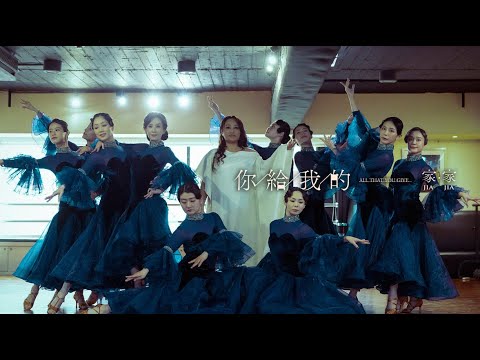
Album: 你給我的
Same Singer
Related Songs

My Skin's On Fire
Loving Caliber

Don't You Wanna Stay
Loving Caliber

Those Eyes
New West

We Don't Talk Anymore
Charlie Puth, Selena Gomez

Monster
Shawn Mendes, Justin Bieber

Never Be the Same
Camila Cabello

The 30th
Billie Eilish

Ordinary
Alex Warren

Girls Wanna Have Fun
Josh Fawaz

Gimme Dat Love
(G)I-DLE

花咲く道
ME:I

未完成婚姻論
超学生, マサ

しおざきわんだーらんど
M!LK, 塩﨑太智

des fleurs
Tove Lo, Stromae
WOKE UP IN TOKYO
BABYMONSTER

No Promises
Shayne Ward

No promises
Shayne Ward
DREAMERS
Jungkook, Fahad Al Kubaisi

Em Mới Là Người Yêu Anh
MIN

Attention
Charlie Puth