
Lyrics & Translation
Key Vocabulary
| Vocabulary | Meanings |
|---|---|
|
어리다 eorida Level 1 |
|
|
노래 norae Level 1 |
|
|
행복하다 haengbokhada Level 1 |
|
|
즐겁다 jeulgeopda Level 1 |
|
|
시절 sijeol Level 2 |
|
|
사라지다 sarajida Level 2 |
|
|
궁금하다 gunggeumhada Level 1 |
|
|
반짝이다 banjjagida Level 3 |
|
|
멜로디 mellodi Level 1 |
|
|
근사하다 geunsahada Level 3 |
|
|
눈물 nunmul Level 1 |
|
|
세월 sewol Level 3 |
|
|
기억 gieok Level 1 |
|
|
쓸쓸하다 sseulsseulhada Level 3 |
|
|
아름답다 areumdapda Level 1 |
|
“어리다, 노래, 행복하다” – got them all figured out?
⚡ Dive into vocabulary challenges in the app and lock in your knowledge right after jamming to "Yesterday Once More"
Key Grammar Structures
-
내가 좋아하는 노래가 나오길 기다렸어요
➔ Noun-modifying form + -길 (short for -기를)
➔ Adding "-길" to the verb stem changes it into a noun clause, serving as the object of "기다렸어요" (waited for).
-
노래가 흘러나오면 따라 부르곤 했죠
➔ -곤 하다 (Habitual action)
➔ "-곤 했죠" indicates a recurring habit or action performed in the past.
-
어느새 사라져버렸는지 문득 궁금해지곤 해요
➔ -아/어 버리다 (Completion or regret)
➔ "-버렸다" emphasizes that something has completely disappeared, often implying a sense of loss.
-
내가 그렇게 좋아했던 노래들이요
➔ Past-tense noun-modifying form (-았/었던)
➔ "-었던" is used to describe a state or action that happened in the past but is no longer occurring.
-
지금 들어도 여전히 반짝여요
➔ -아/어도 (Concessive clause: even if/though)
➔ "-아/어도" is used to indicate that the following statement remains true despite the condition.
-
그가 그녀의 마음을 아프게 하는 그 부분이 나오면
➔ -게 하다 (Causative verb construction)
➔ "-게 하다" changes the adjective "아프다" (painful) into a causative form meaning "to make someone feel pain."
-
지나온 세월을 돌아보다 보면
➔ -아/어 보다 보면 (Through the process of trying)
➔ "-아/어 보다 보면" suggests that as one continues the act of looking back, a realization or state follows.
-
세월을 녹여버리는 듯해요
➔ -ㄴ/는 듯하다 (It seems like / looks like)
➔ "-듯하다" is a grammar structure used to express a conjecture or a softened opinion about the situation.
Same Singer
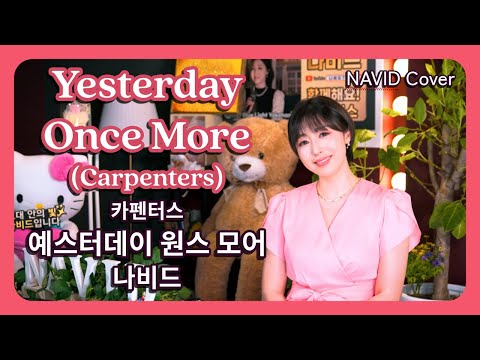
Related Songs
My Skin's On Fire
Loving Caliber
Don't You Wanna Stay
Loving Caliber
Those Eyes
New West
We Don't Talk Anymore
Charlie Puth, Selena Gomez
Monster
Shawn Mendes, Justin Bieber

Never Be the Same
Camila Cabello
The 30th
Billie Eilish
Ordinary
Alex Warren
Girls Wanna Have Fun
Josh Fawaz

Gimme Dat Love
(G)I-DLE
花咲く道
ME:I

未完成婚姻論
超学生, マサ

しおざきわんだーらんど
M!LK, 塩﨑太智

des fleurs
Tove Lo, Stromae
WOKE UP IN TOKYO
BABYMONSTER
No Promises
Shayne Ward
No promises
Shayne Ward
DREAMERS
Jungkook, Fahad Al Kubaisi

Em Mới Là Người Yêu Anh
MIN
Attention
Charlie Puth