
Lyrics & Translation
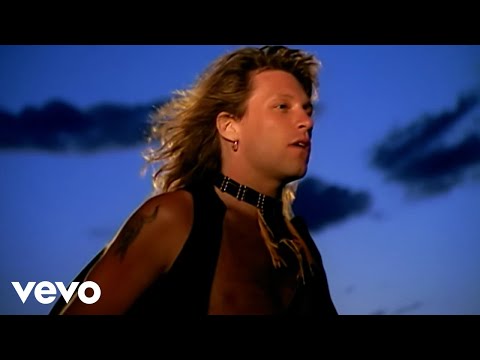
Learning a language through music is an exciting journey, and Jon Bon Jovi's "Blaze of Glory" offers a fantastic opportunity to dive into storytelling through song. The lyrics paint a vivid picture of the American West, filled with themes of rebellion and legacy. Exploring the song's narrative structure and powerful imagery can be a rewarding way to improve your English comprehension and vocabulary, all while enjoying a classic rock anthem.
Key Vocabulary
| Vocabulary | Meanings |
|---|---|
|
wake /weɪk/ A1 |
|
|
head /hed/ A1 |
|
|
earth /ɜːrθ/ A1 |
|
|
devil /ˈdevl/ B1 |
|
|
run /rʌn/ A1 |
|
|
lover /ˈlʌvər/ B1 |
|
|
candle /ˈkændl/ A2 |
|
|
wind /wɪnd/ A1 |
|
|
world /wɜːrld/ A1 |
|
|
sin /sɪn/ B2 |
|
|
steal /stiːl/ A2 |
|
|
man /mæn/ A1 |
|
|
glory /ˈɡlɔːri/ B2 |
|
|
truth /truːθ/ A2 |
|
|
blood /blʌd/ A2 |
|
|
son /sʌn/ A1 |
|
🚀 "wake", "head" – from “Blaze Of Glory” still a mystery?
Learn trendy vocab – vibe with music, get the meaning, and use it right away without sounding awkward!
Key Grammar Structures
-
I DON'T KNOW WHERE I'M GOING
➔ Indirect Question (embedded question)
➔ The phrase "where I'm going" is an indirect question functioning as the object of the verb "know". It's not a direct question (e.g., "Where are you going?") but embedded within a statement.
-
ONLY GOD KNOWS WHERE I'VE BEEN
➔ Present Perfect Tense & Indirect Question
➔ "I've been" uses the present perfect to describe past experiences that have relevance to the present. The phrase "where I've been" is also an indirect question, similar to the previous example.
-
WHEN YOU'RE BROUGHT INTO THIS WORLD
➔ Passive Voice (Present Simple)
➔ "You're brought" uses the passive voice to indicate that the subject ("you") is the receiver of the action, not the performer. The active voice would be something like "Someone brings you into this world."
-
WELL, AT LEAST THEY GAVE ME SOMETHING
➔ Past Simple Tense
➔ "Gave" is the past simple form of the verb "give", indicating a completed action in the past.
-
I DIDN'T HAVE TO STEAL OR HAVE TO WIN
➔ Modal Verb (have to) + Parallel Structure
➔ "Didn't have to" expresses a lack of obligation in the past. "Steal" and "win" are used in a parallel structure, both following "have to."
-
CATCH ME IF YOU CAN
➔ Imperative + Conditional Clause
➔ "Catch me" is an imperative sentence (a command). "If you can" is a conditional clause modifying the imperative. It implies that catching him is difficult or challenging.
-
LORD, I NEVER DREW FIRST
➔ Past Simple Tense with Adverb of Frequency
➔ "Drew" is the past simple of "draw," and "never" is an adverb of frequency placed before the main verb to indicate that the action never happened.
-
BUT I DREW FIRST BLOOD
➔ Past Simple Tense with Conjunction
➔ "Drew" is again the past simple of "draw." The conjunction "but" connects this clause, which presents a contrasting idea, to the previous statement.
Same Singer
Related Songs

No.7
Mrs. GREEN APPLE

パッチワーク・ヒーロー
緋八マナ
Molecular Gastronomy
Silica Gel

Eternal Summer
The Strokes
Not The Same Anymore
The Strokes
Ode To The Mets
The Strokes
What Ever Happened?
The Strokes
Between Love & Hate
The Strokes
Meet Me in the Bathroom
The Strokes
Under Control
The Strokes
The Way It Is
The Strokes
I Can't Win
The Strokes
You Talk Way Too Much
The Strokes

Dead Man Walking
Against The Current

House of Memories
Panic! At The Disco
どうしてもどうしても
back number

C.U.R.I.O.S.I.T.Y.
ONE OK ROCK

Whiskey in the Jar
Metallica

Sunset
Nerd Connection

Beggin'
Måneskin