Display Bilingual:

Aí, DJ Cabello! 00:01
O DJ Tchouzen 00:03
'Tava na escola, fazendo lição 00:06
Aí a professora falou: Vou passar a questão 00:09
A conta é muito fácil, acho que vocês conhece 00:12
Professora, que conta é essa? 00:16
20 mais 20, mais 20, mais sete 00:18
Aí é muito fácil, professora, é six seven 00:21
20 mais 20 00:24
Mais 20, mais sete (professora, que conta é essa?) 00:25
Aí é muito fácil, professora, é six seven 00:27
20 mais 20 00:30
Mais 20, mais sete (professora, que conta é essa?) 00:31
Aí é muito fácil, professora, é six seven 00:33
20 mais 20 00:36
Mais 20 mais sete (professora, que conta é essa?) 00:37
Aí é muito fácil, professora, é six seven 00:39
A conta é muito fácil, acho que vocês conhece 00:42
Professora, que conta é essa? 00:46
20 mais 20, mais 20, mais sete 00:48
Aí é muito fácil, professora, é six seven 00:51
20 mais 20 00:54
Mais 20 mais sete (professora, que conta é essa?) 00:55
Aí é muito fácil, professora, é six seven 00:57
20 mais 20 01:00
Mais 20 mais sete (professora, que conta é essa?) 01:01
Aí é muito fácil, professora, é six seven 01:03
20 mais 20 01:06
Mais 20 mais sete (professora, que conta é essa?) 01:07
Aí é muito fácil, professora, é six, seven 01:09
O DJ Tchouzen 01:14
Vai, vai te dar um amasso 01:16
Aí, DJ Cabello 01:19
Laurinha Costa 01:21
01:25

SIX SEVEN – Bilingual Lyrics Portuguese/English

💥 Jamming to "SIX SEVEN" but don’t get the lyrics? Dive into the app for bilingual learning and level up your English!
By
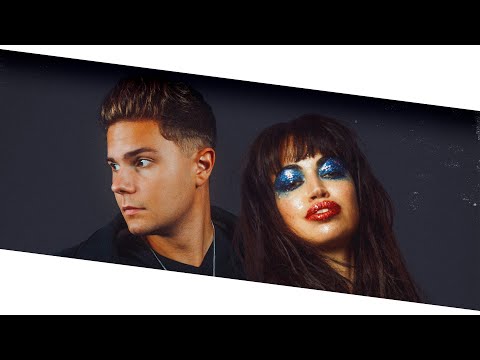
Laurinha Costa, DJ CABELO, DJ TCHOUZEN
Viewed
6,626,013
Language
Learn this song

Lyrics & Translation

Dive into the energetic world of Brazilian Portuguese through 'SIX SEVEN.' This track is a perfect entry point for learners wanting to pick up colloquial expressions, rhythmic phrasing, and the slang used in Brazil's urban dance music culture.

[English]
Yo, DJ Cabello!
DJ Tchouzen
I was at school, doing my homework
Then the teacher said: I'm going to give you a problem
The math is very easy, I think you all know it
Teacher, what math problem is that?
20 plus 20, plus 20, plus seven
That's too easy, teacher, it's six seven
20 plus 20
Plus 20, plus seven (teacher, what math problem is that?)
That's too easy, teacher, it's six seven
20 plus 20
Plus 20, plus seven (teacher, what math problem is that?)
That's too easy, teacher, it's six seven
20 plus 20
Plus 20 plus seven (teacher, what math problem is that?)
That's too easy, teacher, it's six seven
The math is very easy, I think you all know it
Teacher, what math problem is that?
20 plus 20, plus 20, plus seven
That's too easy, teacher, it's six seven
20 plus 20
Plus 20 plus seven (teacher, what math problem is that?)
That's too easy, teacher, it's six seven
20 plus 20
Plus 20 plus seven (teacher, what math problem is that?)
That's too easy, teacher, it's six seven
20 plus 20
Plus 20 plus seven (teacher, what math problem is that?)
That's too easy, teacher, it's six, seven
DJ Tchouzen
Go, go get close to me
Yo, DJ Cabello
Laurinha Costa
...
[Portuguese] Show

Key Vocabulary

Coming Soon!

We're updating this section. Stay tuned!

Key Grammar Structures

  • 'Tava na escola, fazendo lição

    ➔ Colloquial Past Imperfect (Estava)

    ➔ The usage of "'Tava" is a common contraction of "Estava", used to describe a continuous action in the past.

  • Aí a professora falou: Vou passar a questão

    ➔ Simple Past (Pretérito Perfeito) & Periphrastic Future

    "Falou" is the completed action in the past, while "Vou passar" indicates an intention or future action.

  • A conta é muito fácil

    ➔ Simple Present (Verbo Ser)

    ➔ The verb "é" is used here to define a permanent characteristic of the "conta" (the math problem).

  • Acho que vocês conhece

    ➔ Colloquial Subject-Verb Agreement

    ➔ In colloquial Brazilian Portuguese, "vocês conhece" (singular verb) is often used instead of the standard "vocês conhecem" (plural).

  • Professora, que conta é essa?

    ➔ Interrogative Pronoun (Que)

    "Que" functions as an interrogative adjective modifying "conta" to ask for specification.

  • Vai, vai te dar um amasso

    ➔ Reflexive/Direct Object Pronoun & Imperative/Future intention

    "Te" is the objective pronoun for "you", and "vai dar" expresses a colloquial future action.