
Lyrics & Translation
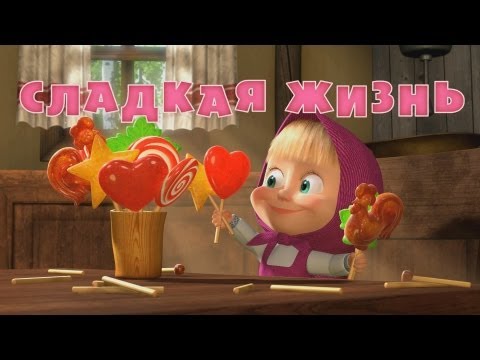
Step into the world of Masha and the Bear with "Песенка сластены," a song bursting with playful energy and simple, repetitive vocabulary perfect for beginner Russian learners. Through Masha's cheerful, candy-filled adventure, you can learn common terms for sweets and simple emotional expressions, all wrapped in a globally recognizable, catchy tune.
Key Vocabulary
| Vocabulary | Meanings |
|---|---|
|
жизнь /ʐɨznʲ/ or /zhiznʹ/ A2 |
|
|
сладкий /ˈsladkʲɪj/ or /sladkiy/ A2 |
|
|
сластена /slɐˈstʲenə/ or /slastena/ B1 |
|
|
ребёнок /rʲɪˈbʲonək/ or /rebyonok/ A1 |
|
|
завтракать /zɐfˈtrakətʲ/ or /zavtrakatʹ/ A2 |
|
|
мармелад /mərmʲɪˈlad/ or /marmelad/ B1 |
|
|
шоколад /ʂəkɐˈlad/ or /shokolad/ A2 |
|
|
зуб /zup/ or /zub/ A1 |
|
|
заболеть /zəbɐˈlʲetʲ/ or /zaboletʹ/ A2 |
|
|
врач /vrat͡ɕ/ or /vrach/ A1 |
|
|
стоматолог /stəməˈtolog/ or /stomatolog/ B1 |
|
|
боль /bolʲ/ or /bolʹ/ A2 |
|
|
плач /plat͡ɕ/ or /plach/ B1 |
|
|
радость /ˈradostʲ/ or /radostʹ/ A2 |
|
|
счастье /ˈstɕastʲjə/ or /schast'ye/ A2 |
|
|
помочь /pɐˈmot͡ɕ/ or /pomochʹ/ A2 |
|
|
сонце / солнце /ˈsont͡sə/ or /ˈsolnt͡sə/ (regional variant 'сонце' less common in standard Russian: 'солнце') A1 |
|
|
птичка /ˈptʲit͡ɕkə/ or /ptichka/ A2 |
|
|
леденец /lʲɪdʲɪˈnʲets/ or /ledenets/ B1 |
|
|
зубрить /zʊˈbrʲitʲ/ or /zubritʹ/ B2 |
|
🧩 Unlock "Песенка сластены" – every sentence and word gets easier with the app!
💬 Don’t let tough words stop you – the app’s got your back!
Key Grammar Structures
-
О, проснулся уже!
➔ Past tense with the particle «уже» indicating a completed action
➔ The word "уже" stresses that the speaker has already woken up.
-
Мне б чего‑нибудь сладенького
➔ Conditional particle «б» (short for «бы») expressing a wish or desire
➔ The particle "б" after "Мне" turns the phrase into a conditional wish: “I would like something sweet.”
-
Нет! Я без сладкого не останусь
➔ Future simple negative form with «не» + verb
➔ The combination "не останусь" means “I will not stay” – a future negative statement.
-
Эх, опять придётся делать всё самой!
➔ Impersonal construction «придётся + infinitive» expressing necessity
➔ "придётся" + infinitive ("делать") conveys that the speaker is forced to do something: “I will have to do it.”
-
Жизнь у сластены слаще карамели
➔ Comparative degree of adjectives – «слаще» (more sweet)
➔ The adjective "слаще" is the comparative form of "сладкий", meaning “sweeter”.
-
Громко, громко леденцы хрустят
➔ Repetition for emphasis; adverb placed before the verb
➔ The word "Громко" is repeated to stress the loud cracking of the candies.
-
Для развития ума полезно кушать мармелад и шоколад
➔ Infinitive used after an impersonal adjective «полезно»
➔ "полезно" + infinitive ("кушать") expresses a general recommendation: “It is good to eat…”.
-
Где найти врача? Доброго врача.
➔ Interrogative adverb «Где» + infinitive forming a direct question
➔ "Где" (where) is followed by the infinitive "найти", creating the question “Where to find a doctor?”.
Same Singer
Related Songs

Goodie Bag
Kylie Cantrall

Kerosene
Milo Manheim, Meg Donnelly, Kylee Russell, Malachi Barton, Chandler Kinney, Freya Skye, Swayam Bhatia, Julian Lerner, Mekonnen Knife

Respectless
Lilli Cooper, Daphne Rubin-Vega

Life Is Sweeter
Kylie Cantrall, Freya Skye, Malia Baker, Malachi Barton, Dara Reneé, Joshua Colley, Mekonnen Knife, Descendants/Zombies: Worlds Collide Tour - Cast

Perfect Princess
Descendants Wicked Wonderland - Cast
Diferente Juntos
Mundo Torajo
ILARIE
Melody

Apples to the Core
I Am A Gummy Bear (The Gummy Bear Song)
Gummibär

One Small Thing
Princess Skystar, Pinkie Pie, Fluttershy, Rainbow Dash, Applejack, Rarity
Hello!
Super Simple Songs

Perfect Princess
Descendants – Cast

VEM MUNDIAL A TAÇA É NOSSA DE PORTUGAL
Chocapitos Do Lidl
Swimming Song
CoComelon

GO!
KALLY'S Mashup Cast, Maia Reficco
The Cuppycake Song
Amy Castle
Happy Birthday Song
Lingokids

Bittersweet 16
Piper Rockelle
Urso Panda
Panda e Os Caricas
Bonjour, Pardon, Merci
Céline Dion