
Lyrics & Translation
Key Vocabulary
We're updating this section. Stay tuned!
Key Grammar Structures
-
Ella se viene a chorro como una cascada
➔ Present tense of verbs and the use of "como" to make comparisons.
➔ The verb "viene" (comes) is in the present tense. "Como" means "like" or "as", creating a simile: "She comes *like* a waterfall."
-
Voy pa' casa 'e campo si no pa' Punta Cana en un Porsche Carrera
➔ Use of "pa'" as a contraction of "para" (to/for) and conditional clauses.
➔ "Pa'" is a colloquial contraction of "para" (to/for). The sentence contains a conditional clause "si no" (if not), suggesting alternative destinations.
-
Saliendo de Herrera, tiene to' las canina capaz de la perrera
➔ Use of the present participle "Saliendo" (leaving/exiting) and the possessive adjective "las".
➔ "Saliendo" is the present participle of "salir" (to leave). "Las" acts as the possessive adjective. The sentence describes the action of leaving or going out.
-
De Semana Santa yo me voy pa' Las Terrenas
➔ Prepositional phrase "De Semana Santa" (during Holy Week) and reflexive verb "me voy".
➔ "De Semana Santa" indicates the timeframe. "Me voy" (I go/I'm going) is a reflexive verb, reflecting the action back on the subject.
-
A to' los satélites le quito la antena
➔ Indirect object pronoun "le" (to them) and direct object "la antena" (the antenna).
➔ "Le" is the indirect object pronoun, referring to the satellites. "La antena" is the direct object. The sentence structure is: I remove the antenna *from* them.
-
Cuando salgo pa' la calle la brea se quema
➔ Subordinate clause introduced by "Cuando" (when) and passive voice with "se quema".
➔ "Cuando" introduces a time clause. "Se quema" implies a passive voice construction meaning "is burned" or "gets burned". The brea (tar) is burned when he goes out.
-
Las mami chulas con la boca abierta se quedan
➔ Use of plural nouns, adjectival agreement, and reflexive verb "se quedan".
➔ The noun "mami chulas" (hot girls) is plural, requiring plural agreement. "Se quedan" (they stay/remain) is a reflexive verb indicating the girls' action affecting themselves (they remain).
-
Porque dicen ahí llegaron los jefes
➔ Subordinate clause introduced by "porque" (because) and past tense usage of llegar (llegaron)
➔ "Porque" introduces a clause of cause or reason. "Llegaron" is the preterite form of "llegar" (to arrive/to come) - they arrived (in the past).
-
Me busco seteciento’ to lo’ meses
➔ Use of the reflexive verb "me busco" (I earn/get), and shortened/colloquial form of "todos los meses" (every month).
➔ "Me busco" is the reflexive form of "buscar" (to look for/to earn), suggesting the singer actively works to earn money. "To lo' meses" is a colloquial shortening of "todos los meses" (every month).
Same Singer

Related Songs

Danceteria
Madonna

Bizarre
Madonna, Martin Garrix

The Test
Madonna, Lola Leon

Don't tell your dreams
LOVIXX, STOSLIV

Geronimo
Neptunica, Aura Dione

MORNING DEW (DONK)
Beyoncé

Night Of My Life
P1Harmony

EX
P1Harmony

Macarena

So Strawberry
MAZZEL

グッタイム
Snow Man

Make you happy
NiziU

What It Sounds Like (Saja Boys Version)
Milkyy, Fortic
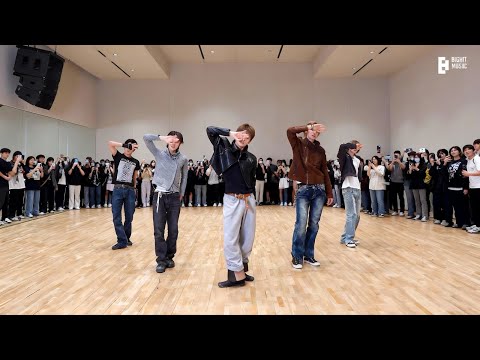
Deja Vu
TOMORROW X TOGETHER

Move Your Body
Loving Caliber, Johanna Dahl

Don't tell your dreams
LOVIXX, STOSLIV

Dorothy
Polo & Pan

Gimme Dat Love
(G)I-DLE

La Guaracha (Oh Oh Oh)
Manuel Turizo, Martinwhite

des fleurs
Tove Lo, Stromae