
Lyrics & Translation
Dive into the golden era of Latin romantic music with 'Amor Mío.' This song is a perfect vehicle for learning emotional Spanish vocabulary and the poetic language of the bolero. Pay attention to José José's flawless phrasing and dynamic control, which showcase why he is known as 'El Príncipe de la Canción' (The Prince of Song), a vocal masterclass in conveying deep feeling with simple, beautiful Spanish words.
Key Vocabulary
| Vocabulary | Meanings |
|---|---|
|
amor aˈmoɾ A1 |
|
|
rostro ˈrostɾo A2 |
|
|
guardar ɡwarˈðaɾ A2 |
|
|
secretos seˈkɾetos A2 |
|
|
gloria ˈɡloɾja B1 |
|
|
intimidad intimiˈdad B1 |
|
|
envidia emˈbiðja A2 |
|
|
alegría aleˈɡɾia A2 |
|
|
olvidaba olbiˈðaba B1 |
|
|
fuerzas ˈfwerθas A2 |
|
|
alma ˈalma B1 |
|
|
vivió biˈβio A2 |
|
|
querido keˈɾiðo A1 |
|
|
despertar despeɾˈtaɾ A2 |
|
|
mirar miˈɾaɾ A1 |
|
🧩 Unlock "Amor Mio" – every sentence and word gets easier with the app!
💬 Don’t let tough words stop you – the app’s got your back!
Key Grammar Structures
-
Amor mío, tu rostro querido
➔ Possessive adjective, Direct Address
➔ "Amor mío" is a direct address, a term of endearment. "Tu rostro" uses the possessive adjective "tu" (your) to indicate possession.
-
No sabe guardar secretos de amor
➔ Subjunctive mood (indirect statement), Infinitive
➔ "Sabe" is followed by an infinitive phrase "guardar secretos de amor". The structure implies uncertainty or a statement about a general ability.
-
No hace falta decir que me quieres
➔ Impersonal expression, Subjunctive
➔ "No hace falta decir" is an impersonal expression meaning 'it's not necessary to say'. The clause "que me quieres" is in the subjunctive mood because it's introduced by 'que' after an impersonal expression.
-
Quien no ha amado, que no diga nunca
➔ Relative clause, Imperative mood
➔ This is a proverb-like structure. "Quien no ha amado" is a relative clause meaning 'whoever has not loved'. "Que no diga nunca" is an imperative sentence meaning 'let them never say'.
Album: Buscando Una Sonrisa
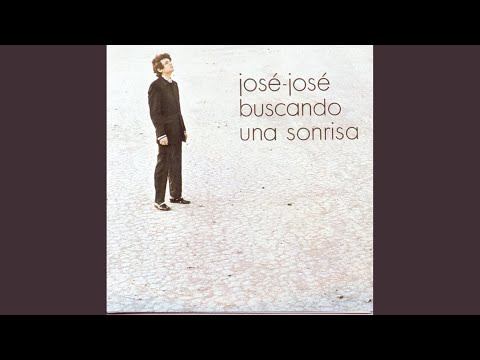
La Barca
José José

Amor Mio
José José

La Primera Vez
José José

La Primera Vez
José José
La Primera Vez
José José
Same Singer
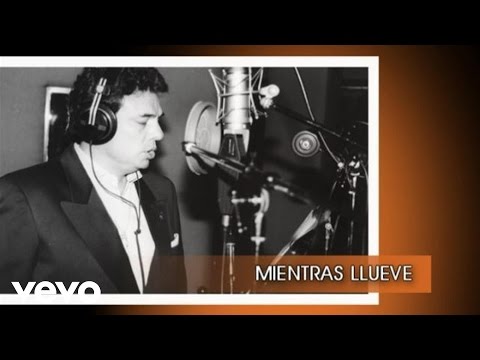
Mientras Llueve
José José

Amándote
José José
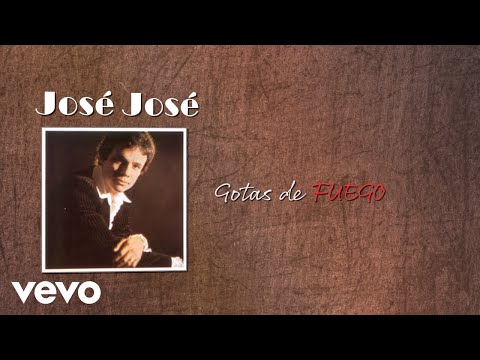
Gotas de Fuego
José José

Buenos Días, Amor
José José
Sentimientos
José José
Mañana No
José José
En Ti
José José
Sólo Yo Seguiré Siendo Tuyo
José José
Soy Como Quieres Tú
José José
La Primera Vez
José José
La noche de los dos
José José
La Noche de los Dos
José José
Avalancha
José José
Si Alguien Me Dijera
José José
Presiento
José José
Será
José José
Ya Viví
José José
La Primera Vez
José José

Amor, Amor
José José
Amor
José José
Related Songs

Rhythm Divine
Enrique Iglesias

Best Friend
Sofia Camara
Before The Light Goes
Melody Blush

Babydoll
Dominic Fike

Nevada
Vicetone, Cozi Zuehlsdorff

Nevada
Vicetone, Cozi Zuehlsdorff

Kings & Queens
Ava Max

Fake Happy
Paramore

Hard To Love
ROSÉ

¿Cómo Así?
Kali Uchis

Diosa
Kali Uchis

Te Mata
Kali Uchis

Dame Beso // Muévete
Kali Uchis
La Chica de Humo
Emmanuel

Just The Way You Are
Milky

Stay
Zedd, Alessia Cara

Perfect
Ed Sheeran

Girls Like You
Maroon 5, Cardi B

Shape of You
Ed Sheeran

Nothing's Gonna Change My Love For You
Isaac Hong, Park Jeong Woo