
Lyrics & Translation
Dive into the lyrical depth of José José's "Presiento" to explore the poetic Spanish expressions of premonition and burgeoning love. Through this iconic ballad, you can learn how to convey profound emotions in Spanish, experiencing José José's legendary vocal style that makes the song a timeless piece of romantic music history.
Key Vocabulary
| Vocabulary | Meanings |
|---|---|
|
presiento presiento B2 |
|
|
suceder suceder A2 |
|
|
temido temido A2 |
|
|
querer querer A1 |
|
|
nadie nadie A1 |
|
|
anhelado anhelado B2 |
|
|
alcanzaré alcanzaré B1 |
|
|
soñado soñado A2 |
|
|
río río A1 |
|
|
lloro lloro A1 |
|
|
adoro adoro A2 |
|
|
sueño sueño A1 |
|
|
gozo gozo B1 |
|
|
hermoso hermoso A2 |
|
|
pides pides A2 |
|
|
más más A1 |
|
|
cosas cosas A1 |
|
🧩 Unlock "Presiento" – every sentence and word gets easier with the app!
💬 Don’t let tough words stop you – the app’s got your back!
Key Grammar Structures
-
Presiento que me va a "suceder" lo que tanto he temido
➔ Future periphrastic construction "ir a + infinitive"
➔ The phrase "ir a + infinitive" (e.g., "va a suceder") is used to talk about something that is expected to happen soon.
-
Presiento que te voy a "querer" como a nadie he "querido"
➔ Comparative structure with "como" + past participle
➔ The word "como" introduces a comparison; here it is followed by the past participle "querido" to express "as no one has ever "wanted" before".
-
Y "presiento" tu amor
➔ Present indicative verb with direct object
➔ "Presiento" is a present‑indicative verb meaning "I sense"; it directly takes the noun "tu amor" as its object.
-
Y "río" y "lloro"
➔ Coordination of two verbs with the conjunction "y"
➔ The conjunction "y" links the two present‑tense verbs "río" (I laugh) and "lloro" (I cry) to show simultaneous actions.
-
Y "sueño" y "gozo"
➔ Parallel verbs with "y" expressing simultaneous feelings
➔ Both verbs are in the present indicative; the conjunction "y" shows that the speaker both "dreams" (sueño) and "enjoys" (gozo) at the same time.
-
Y "pides" más de estas cosas
➔ Present indicative second‑person singular with quantitative complement "más de"
➔ The verb "pides" is the present‑indicative form for "tú"; it is followed by the phrase "más de estas cosas" (more of these things) indicating a request for additional items.
-
Y "ya" te adoro
➔ Adverb "ya" expressing a present state or completed action
➔ The adverb "ya" (already) stresses that the feeling of adoration is current: "I already love you".
-
"Y ríes" y "lloras"
➔ Present indicative 2nd‑person singular with repeated conjunction "y"
➔ Both verbs "ríes" (you laugh) and "lloras" (you cry) are in the present indicative, second‑person singular, linked by "y" to describe simultaneous actions of the same subject.
Same Singer
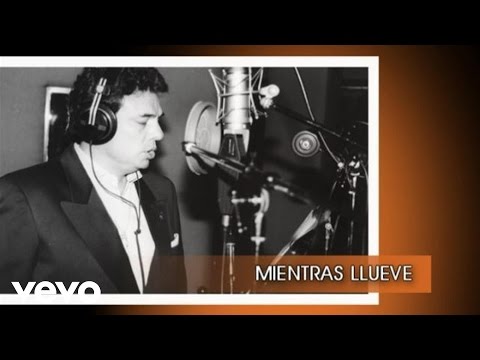
Mientras Llueve
José José

Amándote
José José
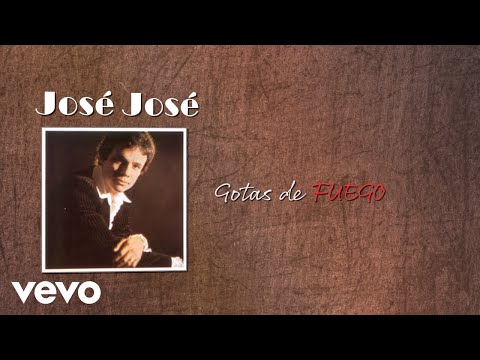
Gotas de Fuego
José José

Buenos Días, Amor
José José
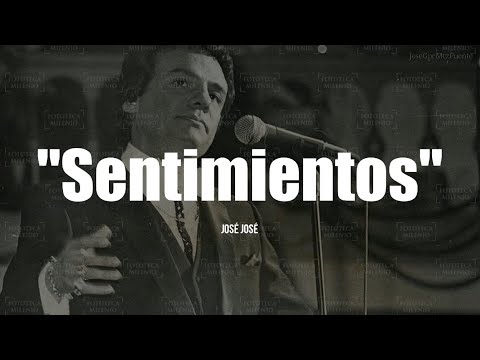
Sentimientos
José José
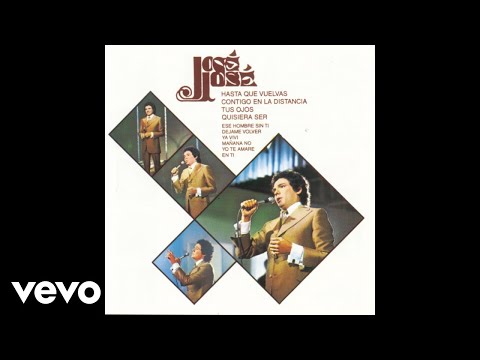
Mañana No
José José
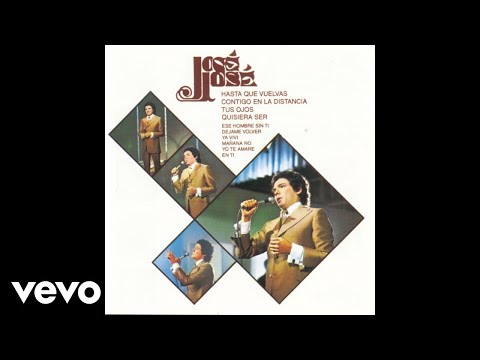
En Ti
José José
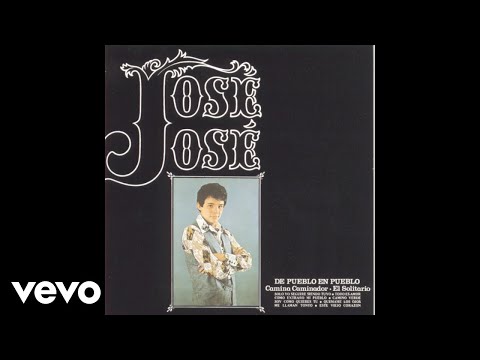
Sólo Yo Seguiré Siendo Tuyo
José José
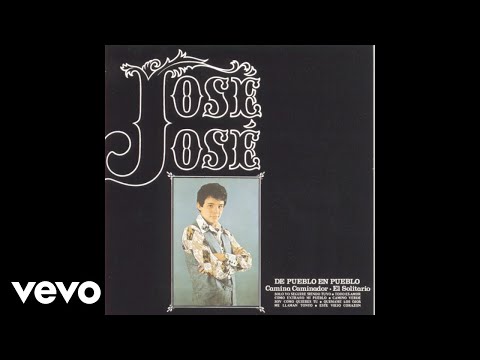
Soy Como Quieres Tú
José José
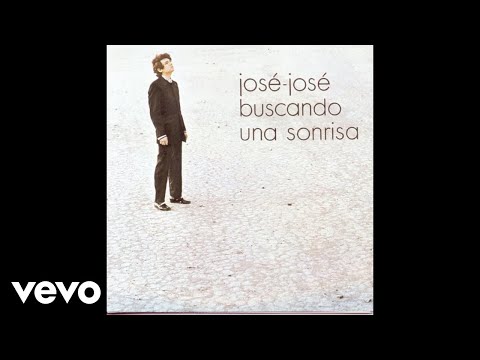
La Primera Vez
José José
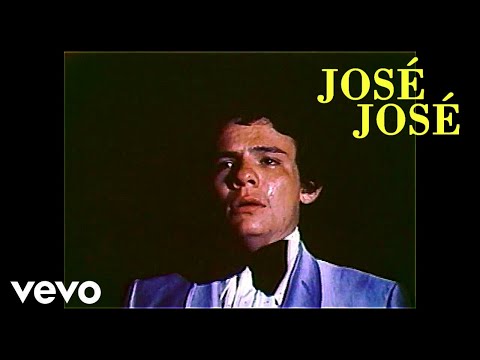
La noche de los dos
José José
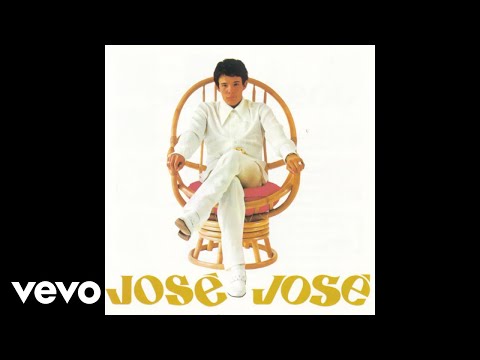
La Noche de los Dos
José José
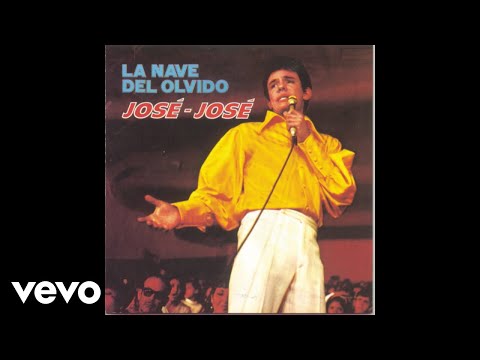
Avalancha
José José
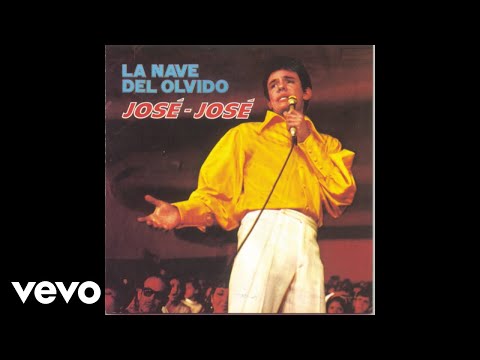
Si Alguien Me Dijera
José José
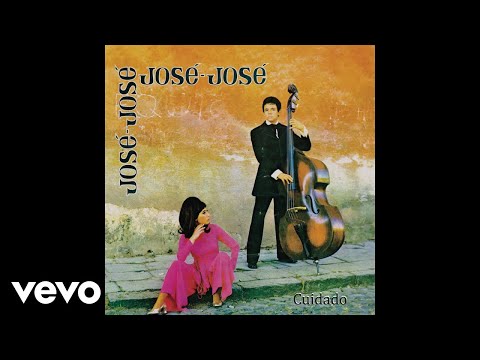
Presiento
José José

Será
José José
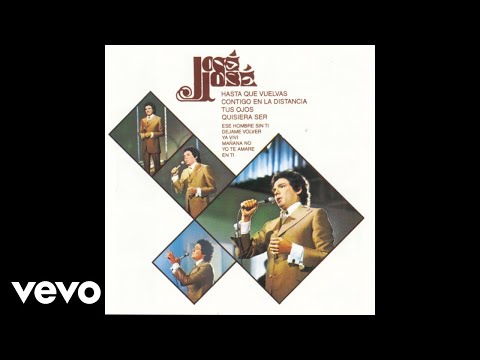
Ya Viví
José José

La Primera Vez
José José

Amor, Amor
José José
Amor
José José
Related Songs

Bebiendo Lágrimas
KAROL G

Ahí
KAROL G, Drake

Con quién andará?
KAROL G

MENTIRA
Ryan Castro, Feid

Eclipse
KAROL G

Gasolina
Daddy Yankee

La Cita Fresita 2
Grupo Aztteca, Luis R Conriquez, Oscar Maydon

GYPSY MAMBO
Los Yakis

Gasolina
Daddy Yankee

Noche De Entierro
Daddy Yankee, Wisin & Yandel, Héctor El Father, Tony Tun Tun, Zion

Reggaetón en lo Oscuro
Wisin & Yandel

Tu Olor
Wisin & Yandel

Siguelo
Wisin & Yandel
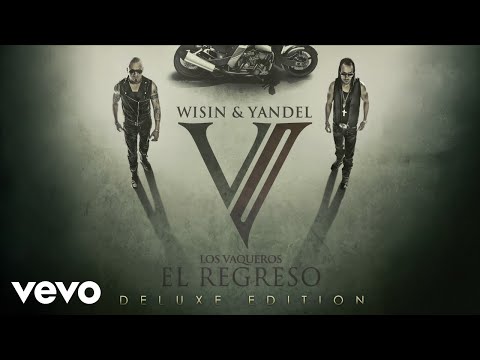
Tu Olor
Wisin & Yandel
Vive Tu Vida Contento
Willie Colon, Hector Lavoe

No Dejemos Que Se Apague
Wisin & Yandel, 50 Cent, T-Pain

La Novena Maravilla
Remmy Valenzuela

Te Mata
Kali Uchis

Dame Beso // Muévete
Kali Uchis

Mi Credo
K-Paz De La Sierra