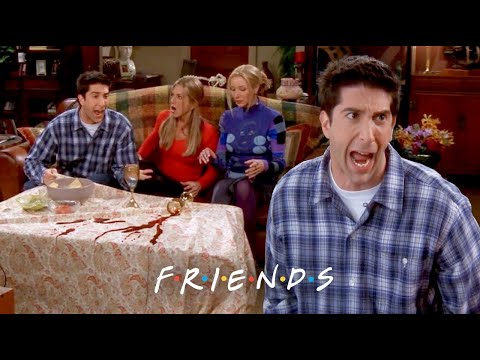
歌词与翻译
重点词汇
| 词汇 | 含义 |
|---|---|
|
apothecary /əˈpɒθɪkeri/ B2 |
|
|
authentic /ɔːˈθentɪk/ B1 |
|
|
mass-produced /ˌmæs prəˈdjuːst/ B1 |
|
|
original /əˈrɪdʒɪnl/ A2 |
|
|
loosen /ˈluːsn/ A2 |
|
|
antique /ænˈtiːk/ B1 |
|
|
rip off /rɪp ɒf/ B1 |
|
|
wreck /rek/ A2 |
|
|
calm /kɑːm/ A2 |
|
|
purse /pɜːrs/ A2 |
|
|
strings /strɪŋz/ A2 |
|
|
weird /wɪrd/ A2 |
|
|
twin /twɪn/ A2 |
|
|
sheet /ʃiːt/ A2 |
|
|
flea market /ˌfliː ˈmɑːrkɪt/ B1 |
|
|
opium /ˈoʊpiəm/ C1 |
|
重点语法结构
-
she cannot see this oh why not she'll
➔ 缩写和将来时
➔ 缩写(『she'll』是『she will』的缩写)在非正式口语中很常见。将来时由 'will' 表示,用于表达将在现在之后发生的动作。
-
i gotta let pottery barn
➔ 非正式语言和情态动词
➔ 'Gotta' 是 'got to' 或 'have to' 的非正式缩写,表示必要性。情态动词 'let' 用于表示许可或允许。
-
i know you did i bought the same one and
➔ 过去时和并列
➔ 过去时用于描述已完成的动作(『did,' 'bought』)。并列连词 'and' 用于连接两个相关的分句。
-
she hates pottery barn she hates pottery barn
➔ 现在时和重复
➔ 现在时用于描述习惯或重复的动作(『hates』)。重复强调了陈述的力度。
-
can we please just cover this up with something please
➔ 情态动词和礼貌标记
➔ 情态动词 'can' 用于提出请求。'please' 是礼貌标记,使请求更加礼貌。
相关歌曲