
Lyrics & Translation
Step into the poetic, reflective world of José José with "He Sido" ('I Have Been'). This classic Spanish ballad from 1979 is an excellent piece for language learners to master the Spanish perfect tense and the art of emotional storytelling. You will learn evocative vocabulary related to self-identity and overcoming adversity, perfectly delivered by 'El Príncipe de la Canción' in a tone of profound, soulful reflection.
Key Vocabulary
| Vocabulary | Meanings |
|---|---|
|
brotó broˈto A2 |
|
|
cenizas seˈniθas A1 |
|
|
luchas ˈlutʃas A2 |
|
|
sufrir suˈfɾir A2 |
|
|
verso ˈberso B1 |
|
|
poesía poeˈsi.a A2 |
|
|
tejiendo teˈxendo B1 |
|
|
olvido olˈβiðo A2 |
|
|
llorar joˈɾar A1 |
|
|
valor baˈlor A2 |
|
|
esperanza espeˈɾanθa A1 |
|
|
abrazo aˈβɾaθo A1 |
|
|
entregarse enˈtɾeɣaɾse B1 |
|
|
cariño kaˈriɲo A2 |
|
|
enamorado enamoˈɾaðo A2 |
|
🚀 "brotó", "cenizas" – from “He Sido” still a mystery?
Learn trendy vocab – vibe with music, get the meaning, and use it right away without sounding awkward!
Key Grammar Structures
-
He sido el ave que brotó de las cenizas
➔ Past Perfect Tense
➔ The phrase 'He sido' is in the past perfect tense, indicating an action that was completed before another past action. Here, it emphasizes the speaker's past state or condition.
-
De tantas luchas que han quedado en el pasado
➔ Present Perfect in Subordinate Clause
➔ The phrase 'han quedado' uses the present perfect tense in a subordinate clause to describe a past action with ongoing relevance. It highlights struggles that remain significant.
-
Tuve que sufrir para aprender
➔ Past Tense with 'Tener que'
➔ The phrase 'Tuve que' is used to express necessity or obligation in the past. It indicates that suffering was required for learning.
-
El abrazo de un amigo, el 'te quiero' de un hermano
➔ Use of Definite Article with Nouns
➔ The definite articles 'el' are used to specify particular instances of 'abrazo' and 'te quiero', emphasizing their significance in the context of friendship and brotherhood.
-
A quien lleguen mis palabras y mi voz
➔ Subjunctive Mood in Relative Clause
➔ The subjunctive mood 'lleguen' is used in the relative clause to express uncertainty or a wish. It indicates the desire for the words and voice to reach someone.
Same Singer

Candy
José José
Amor de Discoteque
José José

Mientras Llueve
José José

Amándote
José José
Gotas de Fuego
José José

Buenos Días, Amor
José José
Sentimientos
José José
Mañana No
José José
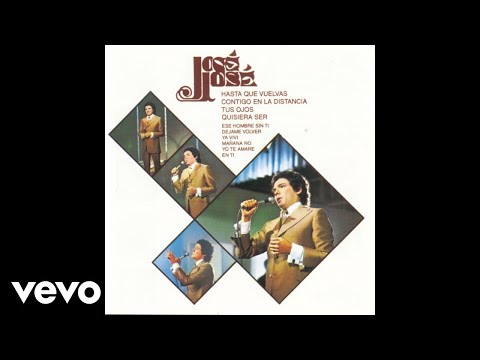
En Ti
José José
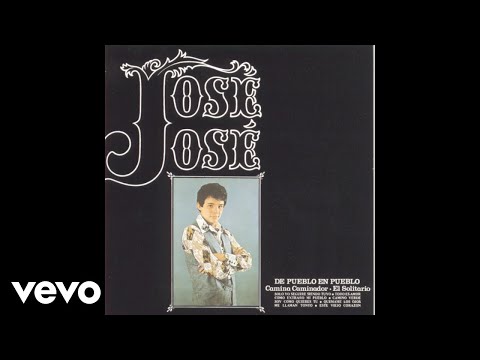
Sólo Yo Seguiré Siendo Tuyo
José José
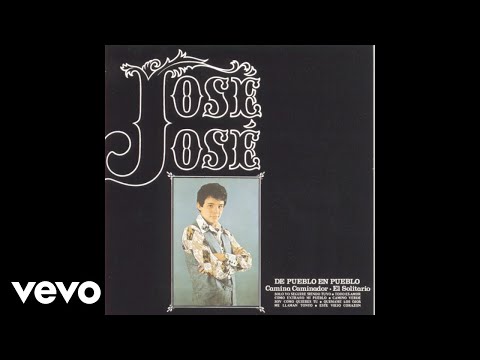
Soy Como Quieres Tú
José José

La Primera Vez
José José
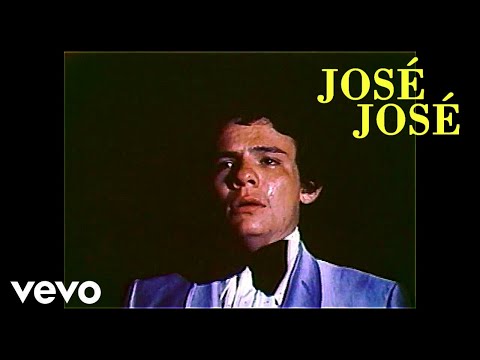
La noche de los dos
José José
La Noche de los Dos
José José
Avalancha
José José
Si Alguien Me Dijera
José José
Presiento
José José

Será
José José
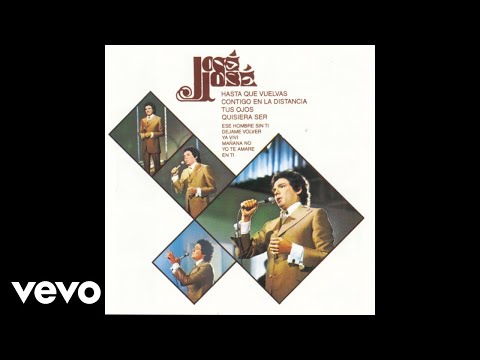
Ya Viví
José José

La Primera Vez
José José
Related Songs

My Skin's On Fire
Loving Caliber

Don't You Wanna Stay
Loving Caliber

Those Eyes
New West

We Don't Talk Anymore
Charlie Puth, Selena Gomez

Monster
Shawn Mendes, Justin Bieber

Never Be the Same
Camila Cabello

The 30th
Billie Eilish

Ordinary
Alex Warren

Girls Wanna Have Fun
Josh Fawaz

Gimme Dat Love
(G)I-DLE

花咲く道
ME:I

未完成婚姻論
超学生, マサ

しおざきわんだーらんど
M!LK, 塩﨑太智

des fleurs
Tove Lo, Stromae

WOKE UP IN TOKYO
BABYMONSTER

No Promises
Shayne Ward

No promises
Shayne Ward

DREAMERS
Jungkook, Fahad Al Kubaisi

Em Mới Là Người Yêu Anh
MIN

Attention
Charlie Puth