
Lyrics & Translation
Embark on a captivating linguistic journey with José José's "Este Viejo Corazón." This iconic Latin Pop ballad, brimming with poetic Spanish lyrics, offers a beautiful window into expressions of deep love and longing. By delving into its passionate verses and José José's masterful vocal delivery, you'll not only enhance your Spanish vocabulary and comprehension but also experience the profound emotional depth that makes this song a timeless classic and a perfect piece for language learners.
Key Vocabulary
| Vocabulary | Meanings |
|---|---|
|
corazón ko-ra-THON A1 |
|
|
alegrías a-le-GRÍ-as A2 |
|
|
besos BE-sos A1 |
|
|
loco LO-ko A2 |
|
|
afán a-FÁN B1 |
|
|
roce RO-the B1 |
|
|
lluvia YU-via A1 |
|
|
sensación sen-sa-THION A2 |
|
|
locura lo-KU-ra A2 |
|
|
espera es-PE-ra A2 |
|
|
mirada mi-RA-da A2 |
|
|
enloquece en-lo-KE-the B2 |
|
|
pasión pa-SION B1 |
|
|
atormenta a-tor-MEN-ta C1 |
|
|
enferma en-FER-ma A2 |
|
|
llorar yo-RAR A2 |
|
|
viejo VIE-jo A1 |
|
|
ámame A-ma-me A2 |
|
💡 Which new word in “Este Viejo Corazón” caught your eye?
📱 Open the app to check meanings, build sentences, and try them out in real convos!
Key Grammar Structures
-
Siento mil besos de tu boca en mi boca
➔ Present tense of 'sentir'
➔ The verb 'siento' is the first-person singular present tense of 'sentir', expressing a current feeling or sensation.
-
Y este viejo corazón que te espera noche y día
➔ Relative pronoun 'que'
➔ The relative pronoun 'que' is used to introduce a relative clause describing 'este viejo corazón'.
-
Porque siempre tú le llevas tus alegrías
➔ Present tense of 'llevar'
➔ The verb 'llevas' is the second-person singular present tense of 'llevar', indicating a habitual action.
-
Amor, amor, ámame
➔ Imperative mood of 'amar'
➔ The verb 'ámame' is the imperative form of 'amar', used to give a direct command or request.
-
Una pasión que me atormenta
➔ Relative pronoun 'que'
➔ The relative pronoun 'que' introduces a relative clause describing 'una pasión'.
-
Y ya no puedo más llorar por tu amor
➔ Present tense of 'poder'
➔ The verb 'puedo' is the first-person singular present tense of 'poder', expressing ability or possibility.
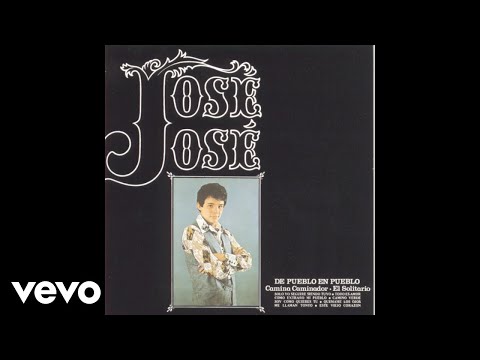
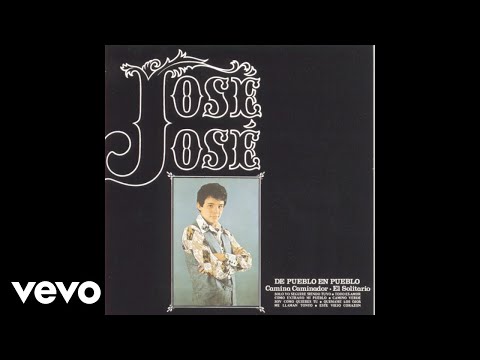
Album: De Pueblo En Pueblo
Este Viejo Corazón
José José

Solo yo seguiré siendo tuyo
José José
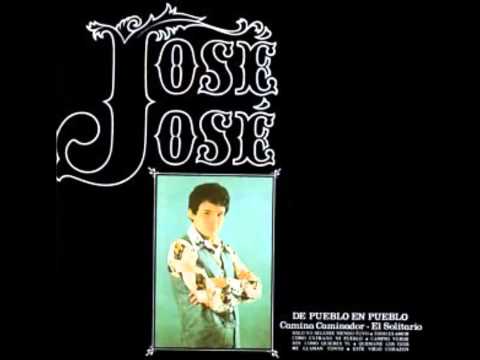
Solo Yo Seguire Siendo Tuyo
José José
Same Singer

Candy
José José
Amor de Discoteque
José José
Mientras Llueve
José José

Amándote
José José
Gotas de Fuego
José José

Buenos Días, Amor
José José
Sentimientos
José José
Mañana No
José José
En Ti
José José
Sólo Yo Seguiré Siendo Tuyo
José José
Soy Como Quieres Tú
José José
La Primera Vez
José José
La noche de los dos
José José
La Noche de los Dos
José José
Avalancha
José José
Si Alguien Me Dijera
José José
Presiento
José José

Será
José José
Ya Viví
José José
La Primera Vez
José José
Related Songs

My Skin's On Fire
Loving Caliber

Don't You Wanna Stay
Loving Caliber

Those Eyes
New West

We Don't Talk Anymore
Charlie Puth, Selena Gomez

Monster
Shawn Mendes, Justin Bieber

Never Be the Same
Camila Cabello

The 30th
Billie Eilish

Ordinary
Alex Warren

Girls Wanna Have Fun
Josh Fawaz

Gimme Dat Love
(G)I-DLE

花咲く道
ME:I

未完成婚姻論
超学生, マサ

しおざきわんだーらんど
M!LK, 塩﨑太智

des fleurs
Tove Lo, Stromae
WOKE UP IN TOKYO
BABYMONSTER

No Promises
Shayne Ward

No promises
Shayne Ward

DREAMERS
Jungkook, Fahad Al Kubaisi

Em Mới Là Người Yêu Anh
MIN

Attention
Charlie Puth