
Lyrics & Translation
Dive into the romantic heart of the Spanish language with 'Sólo Tú'. Through this masterpiece, you can learn how to express deep affection and longing, while experiencing the legendary vocal precision of José José, one of the greatest crooners in Latin music history.
Key Vocabulary
| Vocabulary | Meanings |
|---|---|
|
lograste loˈɣraste A2 |
|
|
herida eˈɾiða A1 |
|
|
sufrí suˈfɾi A2 |
|
|
caminé kamiˈne A1 |
|
|
cariño kaˈriɲo A1 |
|
|
encontré enkonˈtɾe A2 |
|
|
feliz feˈliθ A1 |
|
|
caricias kaˈɾiθjas A2 |
|
|
vibrar biˈβɾar B1 |
|
|
recuerdo reˈkweɾðo A2 |
|
|
cruel kɾuˈel A2 |
|
|
querer keˈɾeɾ A2 |
|
|
historia istoˈɾja A1 |
|
|
sintiéndote sinˈtjen̪do.te B1 |
|
|
mas mas A1 |
|
🧩 Unlock "SÓLO TÚ" – every sentence and word gets easier with the app!
💬 Don’t let tough words stop you – the app’s got your back!
Key Grammar Structures
-
Solo tú Lograste ser en mi vida
➔ Past tense of 'lograr' (to achieve)
➔ The verb 'lograste' is in the preterite tense, indicating a completed action in the past. It highlights the achievement of being the love in the speaker's life.
-
Que dejó La historia de otro querer
➔ Relative pronoun 'que'
➔ The relative pronoun 'que' introduces a relative clause that describes 'la historia de otro querer'. It connects the clause to the main sentence.
-
Pues sufrí Como nadie ha sufrido
➔ Past tense with 'ha' for emphasis
➔ The use of 'ha' in 'ha sufrido' adds emphasis to the past action, indicating that the suffering was unparalleled.
-
Mas te encontré Y pude ser feliz contigo
➔ Past tense with 'pude' (could) for possibility
➔ The verb 'pude' (could) in the past tense indicates a past possibility or ability to be happy with the person found.
-
No queda ni el recuerdo De mi cruel sufrir
➔ Present tense with 'queda' (to remain)
➔ The verb 'queda' in the present tense indicates a current state where no memory of the suffering remains.
Album: Reencuentro

Gavilán o Paloma
José José

Gotas de Fuego
José José
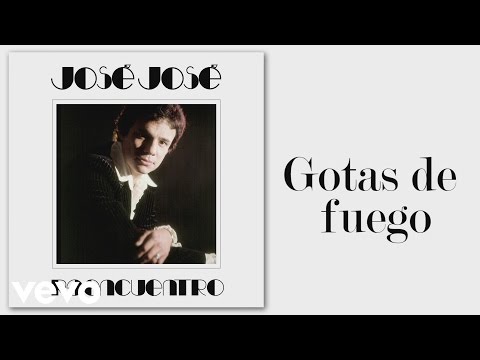
Gotas de Fuego
José José
SÓLO TÚ
José José
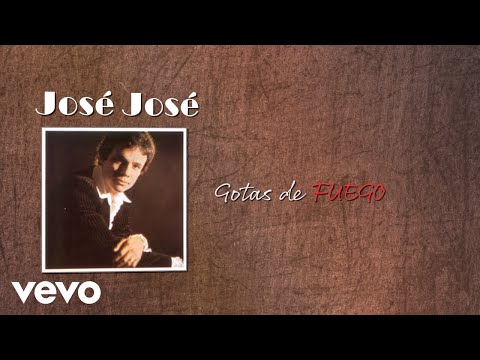
Gotas de Fuego
José José
Same Singer
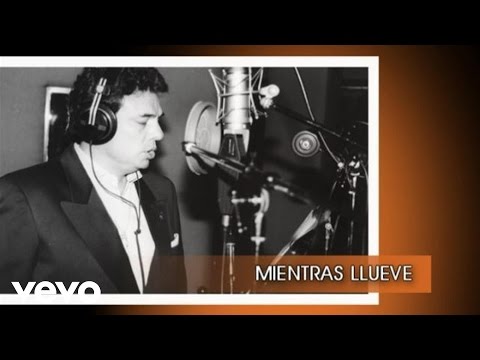
Mientras Llueve
José José

Amándote
José José
Gotas de Fuego
José José

Buenos Días, Amor
José José
Sentimientos
José José
Mañana No
José José
En Ti
José José
Sólo Yo Seguiré Siendo Tuyo
José José
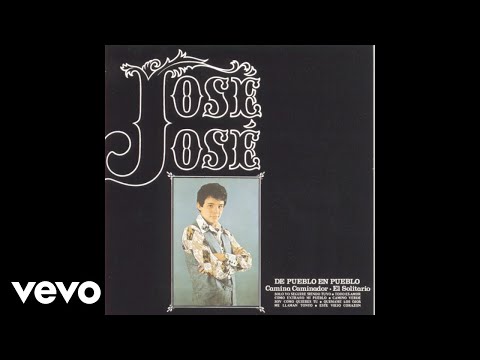
Soy Como Quieres Tú
José José
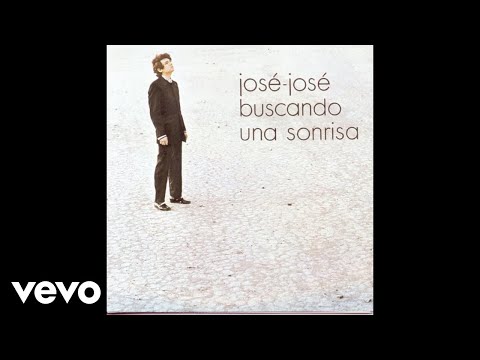
La Primera Vez
José José
La noche de los dos
José José
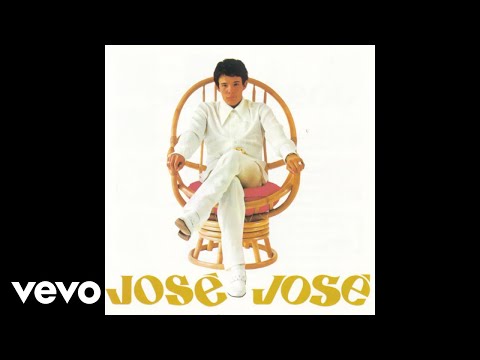
La Noche de los Dos
José José
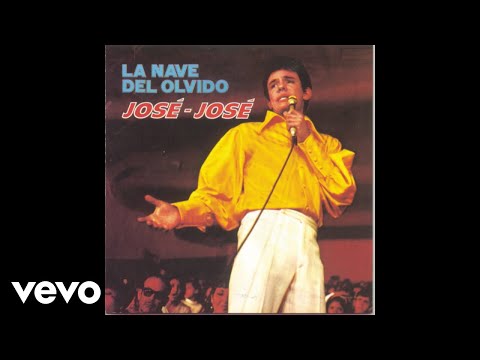
Avalancha
José José
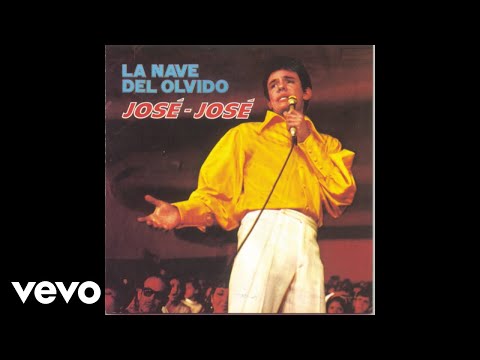
Si Alguien Me Dijera
José José
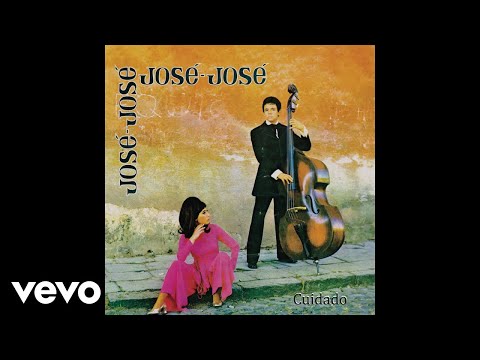
Presiento
José José

Será
José José
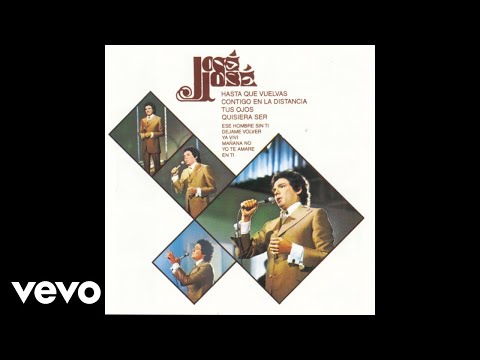
Ya Viví
José José

La Primera Vez
José José

Amor, Amor
José José
Amor
José José
Related Songs

Bebiendo Lágrimas
KAROL G

Ahí
KAROL G, Drake

Con quién andará?
KAROL G

MENTIRA
Ryan Castro, Feid

Eclipse
KAROL G

Gasolina
Daddy Yankee

La Cita Fresita 2
Grupo Aztteca, Luis R Conriquez, Oscar Maydon

GYPSY MAMBO
Los Yakis

Gasolina
Daddy Yankee
Noche De Entierro
Daddy Yankee, Wisin & Yandel, Héctor El Father, Tony Tun Tun, Zion

Reggaetón en lo Oscuro
Wisin & Yandel

Tu Olor
Wisin & Yandel

Siguelo
Wisin & Yandel
Tu Olor
Wisin & Yandel
Vive Tu Vida Contento
Willie Colon, Hector Lavoe

No Dejemos Que Se Apague
Wisin & Yandel, 50 Cent, T-Pain

La Novena Maravilla
Remmy Valenzuela

Te Mata
Kali Uchis

Dame Beso // Muévete
Kali Uchis
Mi Credo
K-Paz De La Sierra