
Lyrics & Translation
Dive into the melodic world of Natalia Lafourcade with 'Te Quiero Ver.' This song is a perfect gateway to learning Spanish through its clear pronunciation and romantic vocabulary, helping you master expressions of desire and affection in a natural, musical way.
Key Vocabulary
We're updating this section. Stay tuned!
Key Grammar Structures
-
Te extraño en las tardes
➔ Direct Object Pronoun (DOP)
➔ The pronoun "Te" functions as the direct object, referring to "you" who is being missed.
-
Las horas que pasan / Se pasan tan lento
➔ Pronominal/Reflexive use of intransitive verbs
➔ The verb "pasar" is used with the "se" pronoun to emphasize the process or the duration of time passing.
-
Esperanzas de abrazar tu cuerpo
➔ Preposition + Infinitive structure
➔ The preposition "de" links the noun "Esperanzas" to the infinitive "abrazar", expressing the content of the hope.
-
Te quiero ver y tú no puedes
➔ Modal verb "Poder" in negative
➔ The verb "puedes" indicates the lack of ability or possibility to perform the action of being seen.
-
Este amor hace enloquecer
➔ Causative construction: Hacer + Infinitive
➔ Using "hace" followed by the infinitive "enloquecer" means "to make (someone) go crazy."
-
¿Cómo fue posible enamorarme...?
➔ Preterite of "Ser" with adjective
➔ "Fue" is the preterite of "ser", describing a completed state or possibility in the past.
-
Dime qué es lo que tengo que hacer
➔ Periphrastic obligation: Tener que + Infinitive
➔ The structure "tengo que hacer" expresses a strong necessity or obligation to perform an action.
-
Si no te puedo ni ver
➔ Emphasis with "ni"
➔ The particle "ni" is used here to emphasize the negative, meaning "not even" (I can't even see you).
Related Songs

Dile Que Tu Me Quieres
Ozuna
El Farsante
Ozuna
Se Preparó
Ozuna

No Quiere Enamorarse
Ozuna
No Quiere Enamorarse (Remix)
Ozuna, Daddy Yankee

UN CONVOY
natanael cano, amilkar galaviz
La Ocasión
De La Ghetto, Arcangel, Ozuna, Anuel Aa
Si No Te Quiere
Ozuna

Dile Que Tu Me Quieres Remix
Ozuna, Yandel
Si No Te Quiere
Ozuna, Arcangel, Farruko
Síguelo Bailando
Ozuna
La Ocasión
De La Ghetto, Arcangel, Ozuna, Anuel Aa, Dj Luian, Mambo Kingz
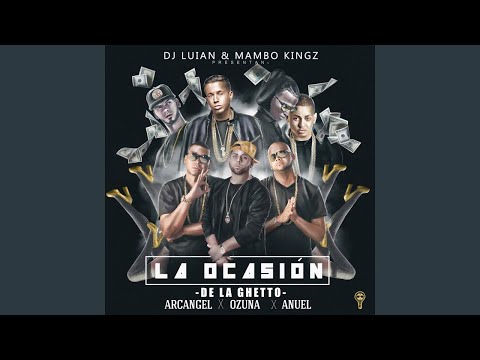
La Ocasión
DJ Luian, Mambo Kingz, De La Ghetto, Arcangel, Ozuna, Anuel AA
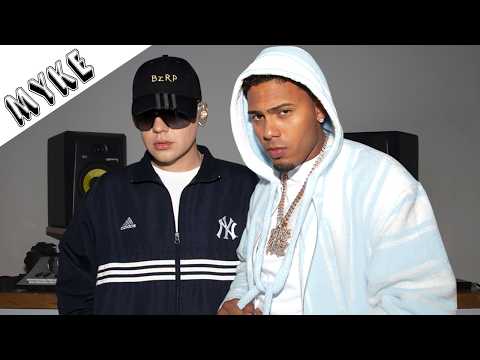
Bzrp Music Sessions, Vol. 42
Myke Towers, Bizarrap

Tus Ojos
La Tana
E Un Delirio
Cris Lora

Secret
KALLY'S Mashup Cast, Maia Reficco, Sarai Meza

Mariposa Traicionera
Maná

Dardos
Romeo Santos, Prince Royce
ESTAMOS GUCCI
Skinny Flex