
Lyrics & Translation
Dive into the vibrant world of contemporary Spanish with Fuerza Regida's "CRAZYZ." This song offers an authentic glimpse into modern Mexican youth culture and party themes, making it an engaging way to learn colloquial Spanish phrases and expressions related to celebration and escapism. Its blend of Regional Mexican and urban styles makes for a lively and memorable learning experience, perfect for understanding everyday conversational Spanish in a musical context.
Key Vocabulary
We're updating this section. Stay tuned!
Key Grammar Structures
-
¿Qué estás haciendo?
➔ Present progressive (estar + gerund)
➔ The phrase "estás haciendo" combines the auxiliary "estar" with the gerund "haciendo" to express an ongoing action.
-
Te extraño.
➔ Simple present tense; object pronoun placed before the verb
➔ In "Te extraño" the direct‑object pronoun "Te" precedes the verb "extraño" (I miss you).
-
Yo creo que te traigan mucho.
➔ Subjunctive mood in a subordinate clause after a verb of belief
➔ The verb "traigan" is in the present subjunctive because it follows the expression "creo que" (I think that).
-
Hay que hacer mañana.
➔ Impersonal construction "hay que + infinitive" to express necessity
➔ "Hay que" functions like “one must” or “it is necessary to”; the verb that follows stays in the infinitive ("hacer").
-
Ojalá que nunca se nos haga de mañana.
➔ Expression of hope with "ojalá" + subjunctive
➔ "Se nos haga" is in the present subjunctive because it follows the hopeful particle "ojalá" (I hope that).
-
Les gusta la desvelada.
➔ "Gustar" construction with indirect object pronoun
➔ In "Les gusta", the indirect object pronoun "les" indicates “to them”; the subject is actually "la desvelada" (the night out).
-
Si jalo la bala, todo se vuelve raro.
➔ First‑type conditional: si + present indicative (real possibility)
➔ "Si jalo" uses the present indicative "jalo" because the condition is presented as a realistic possibility.
-
Se me cuadra si jalo la bala.
➔ Impersonal "se" with a dative of interest (me) – “it suits me”
➔ The pronoun "se" makes the clause impersonal, while "me" indicates who finds something suitable – "Se me cuadra" = “It fits me”.
-
Y va a seguir sonando para todos.
➔ Periphrastic future – "ir a + infinitive"
➔ "Va a seguir" uses the verb "ir" in the present + infinitive "seguir" to indicate an action that will continue in the near future.
Related Songs
Nadie Como Tú
Wisin & Yandel, Don Omar

Dile
Don Omar

Que Se Mueran
Romeo Santos

Me Gustas Tú
Manu Chao

Macarena

Ya no Somos ni Seremos
Christian Nodal

ALCOBA
Cris MJ, Clarent

Criminal
Natti Natasha, Ozuna

EXCESO DE PUTERÍA
l0rna, Kristina

TU SANCHO
Fuerza Regida

Pegao
Wisin & Yandel

GÁLDAR & AL GOLPITO
Quevedo, Tonny Tun Tun, Nueva Línea

La Guaracha (Oh Oh Oh)
Manuel Turizo, Martinwhite
Una chica está llorando
Los Acosta
Contra el dragón
Los Acosta

En algún lugar
LOS ACOSTA
En Aquel Café
Los Acosta

En Algún Lugar
Los Acosta
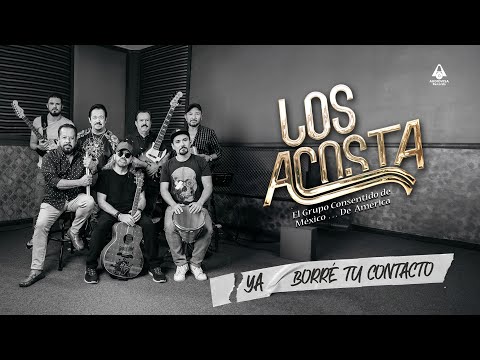
Ya Borré Tu Contacto
Los Acosta
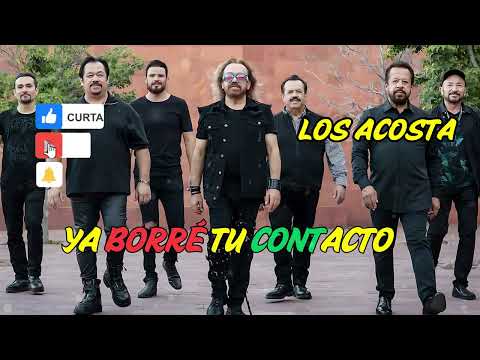
YA BORRÉ TU CONTACTO
LOS ACOSTA