
Lyrics & Translation
Dive into the world of 'El Solitario,' a masterpiece of *balada romántica* by the legendary José José. This track is an excellent window into the most poetic and expressive Spanish for describing deep melancholy and emotional resignation. You'll master vocabulary related to heartbreak, sorrow, and lonely existence while experiencing the power of José José’s peerless vocal interpretation.
Key Vocabulary
| Vocabulary | Meanings |
|---|---|
|
solitario so.li.ˈta.ɾjo A2 |
|
|
vagabundo ba.ɣa.ˈbun.do B1 |
|
|
nostalgia nos.tal.ˈxi.a B1 |
|
|
ternura ter.ˈnu.ɾa A2 |
|
|
angustiado aŋ.ɡus.ˈtja.ðo B1 |
|
|
vago ˈba.ɣo A2 |
|
|
infelicidad iŋ.fe.li.si.ˈðad A2 |
|
|
tristeza tris.ˈte.θa A2 |
|
|
cruel kɾu.ˈel A2 |
|
|
callar ka.ˈʎaɾ A2 |
|
|
piedad pi.e.ˈðad B1 |
|
|
sufriendo su.ˈfɾjen.do A2 |
|
|
amar a.ˈmaɾ A1 |
|
🧩 Unlock "El Solitario" – every sentence and word gets easier with the app!
💬 Don’t let tough words stop you – the app’s got your back!
Key Grammar Structures
-
Siempre solitario voy
➔ Adverb of frequency + adjective + verb
➔ “Siempre” is an adverb of frequency, “solitario” is an adjective, and “voy” is a verb. This structure emphasizes the continuous state of being alone.
-
Muero cada amanecer con el rostro de pena angustiado
➔ Present tense verb + prepositional phrase + noun + adjective
➔ “Muero” is in the present tense, “con el rostro de pena angustiado” is a prepositional phrase modifying the subject. This structure highlights the emotional state at dawn.
-
Jamás creí sentir tanta infelicidad
➔ Adverb of negation + verb in past tense + infinitive verb
➔ “Jamás” is an adverb of negation, “creí” is in the past tense, and “sentir” is an infinitive verb. This structure emphasizes the unexpectedness of the emotion.
-
Hoy sólo sé que soy un vagabundo más
➔ Adverb of time + adverb of exclusivity + verb + adjective
➔ “Hoy” is an adverb of time, “sólo” is an adverb of exclusivity, and “vagabundo” is an adjective. This structure emphasizes the speaker’s current state of being just another wanderer.
-
Siempre con la cara al sol, nunca pediré piedad
➔ Adverb of frequency + prepositional phrase + adverb of negation + verb + object
➔ “Siempre” is an adverb of frequency, “con la cara al sol” is a prepositional phrase, “nunca” is an adverb of negation, and “pediré piedad” includes a verb and its object. This structure contrasts persistence with refusal.
Related Songs

Nadie Como Tú
Wisin & Yandel, Don Omar

Dile
Don Omar

Que Se Mueran
Romeo Santos

Me Gustas Tú
Manu Chao

Macarena

Ya no Somos ni Seremos
Christian Nodal

ALCOBA
Cris MJ, Clarent

Criminal
Natti Natasha, Ozuna

EXCESO DE PUTERÍA
l0rna, Kristina

TU SANCHO
Fuerza Regida

Pegao
Wisin & Yandel

GÁLDAR & AL GOLPITO
Quevedo, Tonny Tun Tun, Nueva Línea

La Guaracha (Oh Oh Oh)
Manuel Turizo, Martinwhite
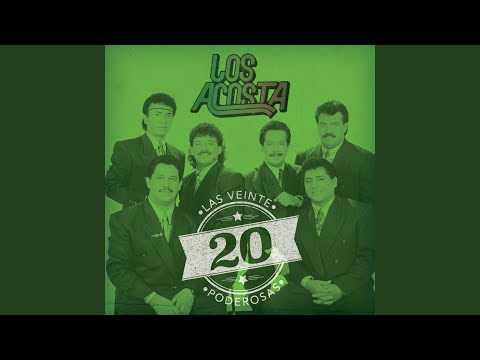
Una chica está llorando
Los Acosta
Contra el dragón
Los Acosta

En algún lugar
LOS ACOSTA
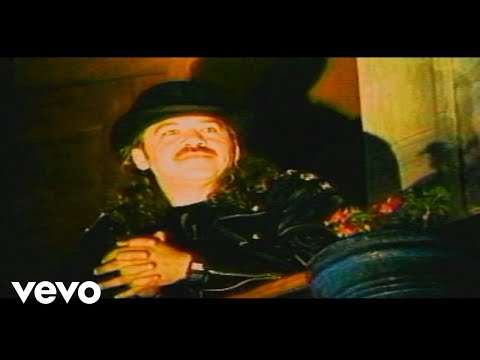
En Aquel Café
Los Acosta

En Algún Lugar
Los Acosta

Ya Borré Tu Contacto
Los Acosta

YA BORRÉ TU CONTACTO
LOS ACOSTA