
Lyrics & Translation
Jump into the rhythm of modern Mexican music with "La Troka." You'll master essential, high-frequency Spanish slang and terms like '*troka*' (truck) and cultural phrases like '*súbele a ese corridón*' (turn up that *corrido*). This confident and carefree track is a perfect window into the narrative styles of the Regional Mexican genre and is special for blending the traditional *corrido* with a modern, urban sound.
Key Vocabulary
| Vocabulary | Meanings |
|---|---|
|
troca /ˈtɾoka/ B2 |
|
|
bolsa /ˈbolsa/ A2 |
|
|
corridón /koriˈðon/ B2 |
|
|
loca /ˈloka/ B1 |
|
|
mami /ˈmami/ A1 |
|
|
amigas /aˈmiɣas/ A1 |
|
|
camaradas /kamaˈɾadas/ B1 |
|
|
asiento /aˈsjento/ A2 |
|
|
casa /ˈkasa/ A1 |
|
|
espejo /esˈpexo/ A2 |
|
|
pendejo /penˈdejo/ B2 |
|
|
bélico /ˈbeliko/ C1 |
|
|
ropa /ˈropa/ A1 |
|
|
vidrio /ˈbidɾjo/ A2 |
|
|
cantón /kanˈton/ B2 |
|
|
canción /kanˈsjon/ A1 |
|
“troca, bolsa, corridón” – got them all figured out?
⚡ Dive into vocabulary challenges in the app and lock in your knowledge right after jamming to "La Troka"
Key Grammar Structures
-
Pásame la bolsa y súbele a ese corridón
➔ Affirmative imperative with attached clitic pronoun
➔ The verb "pasa" is in the imperative form and the clitic "me" is attached, meaning “pass *me* the bag”. The second clause "súbele" is also an imperative with the indirect object pronoun "le" attached.
-
Mija, súbete a la troca
➔ Reflexive imperative with clitic pronoun
➔ The verb "súbete" combines the imperative "sube" (get on) with the reflexive pronoun "te", meaning “get *yourself* on the truck”.
-
Sé que te tiran de loca
➔ Verb of knowledge + subordinate clause with que
➔ The verb "sé" (I know) is followed by the conjunction "que" introducing a subordinate clause "te tiran de loca" (they call you crazy).
-
Dime nomás si te caigo o me marcas
➔ Imperative + colloquial filler "nomás" + conditional "si" clause
➔ "Dime" is an imperative meaning “tell me”. "Nomás" is a colloquial filler meaning “just”. The clause "si te caigo o me marcas" is a conditional introduced by "si" (if).
-
Que se repita lo de aquel asiento es fácil
➔ Subjunctive after impersonal “que” + infinitive clause as subject
➔ The impersonal “que” introduces a clause that requires the subjunctive "se repita" (may it repeat). The whole clause functions as the subject of "es fácil".
-
Aprovecha, que está sola la casa, mami
➔ Imperative followed by explanatory "que" clause
➔ "Aprovecha" (take advantage) is an imperative. The following "que" clause gives the reason: "the house is empty".
-
Deja de mirarte ya en el espejo
➔ "dejar de + infinitive" construction + reflexive verb
➔ "Deja de" means “stop”. It is followed by the infinitive "mirarte" (to look at yourself), which is reflexive because the action is directed back to the subject.
-
Quítate la ropa, sube el vidrio y pa'l cantón
➔ Series of imperatives; colloquial contraction "pa'l" (= para el)
➔ "Quítate", "sube" and "pa'l" are all commands. "Pa'l" is a spoken contraction of "para el", meaning “to the place”.
Related Songs
Nadie Como Tú
Wisin & Yandel, Don Omar

Dile
Don Omar

Que Se Mueran
Romeo Santos

Me Gustas Tú
Manu Chao

Macarena

Ya no Somos ni Seremos
Christian Nodal

ALCOBA
Cris MJ, Clarent

Criminal
Natti Natasha, Ozuna
EXCESO DE PUTERÍA
l0rna, Kristina
TU SANCHO
Fuerza Regida
Pegao
Wisin & Yandel

GÁLDAR & AL GOLPITO
Quevedo, Tonny Tun Tun, Nueva Línea

La Guaracha (Oh Oh Oh)
Manuel Turizo, Martinwhite
Una chica está llorando
Los Acosta
Contra el dragón
Los Acosta
En algún lugar
LOS ACOSTA
En Aquel Café
Los Acosta

En Algún Lugar
Los Acosta
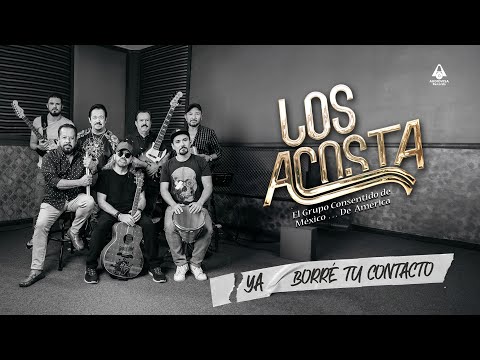
Ya Borré Tu Contacto
Los Acosta
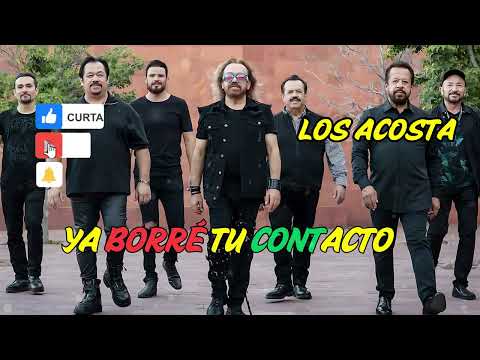
YA BORRÉ TU CONTACTO
LOS ACOSTA