
Di Que No Es Verdad – Bilingual Lyrics Spanish/English
Lyrics & Translation
Dive into the romantic world of the Bolero with 'Di Que No Es Verdad.' This song is a perfect gateway for learners of Spanish to practice emotional expression and romantic vocabulary, all while experiencing the timeless elegance of one of Latin music's most influential collaborations.
Key Vocabulary
| Vocabulary | Meanings |
|---|---|
|
alma ˈal.ma A2 |
|
|
amargura a.maʁ.ˈɣu.ɾa B2 |
|
|
duda ˈdu.ða B1 |
|
|
murmuran muɾ.ˈmu.ɾan B2 |
|
|
envidia en.ˈbi.ðja B1 |
|
|
maldad mal.ˈdað B2 |
|
|
robar ro.ˈβaɾ A2 |
|
|
corazón ko.ɾa.ˈθon A1 |
|
|
separar se.pa.ˈɾaɾ A2 |
|
|
profanar pɾo.fa.ˈnaɾ C1 |
|
|
sonreír son.re.ˈir B1 |
|
|
llorar ʝo.ˈɾaɾ A2 |
|
Are there any new words in “Di Que No Es Verdad” you don’t know yet?
💡 Hint: alma, amargura… Jump into the app and start learning now!
Key Grammar Structures
-
Con el alma llena de amargura
➔ Adjective phrase describing a state
➔ "llena" acts as a participle/adjective modifying 'alma' to indicate the content of the soul.
-
Y sin saber qué hacer
➔ Preposition 'sin' + infinitive verb
➔ "sin" indicates the lack of action, followed by the infinitive "hacer" to express uncertainty.
-
Di que no es verdad
➔ Imperative form of 'decir'
➔ "Di" is the tú-form imperative of 'decir', used here as a desperate plea.
-
Lo que murmuran de los dos
➔ Relative pronoun 'lo que'
➔ "lo que" functions as 'that which' or 'what', referring to the gossip people are saying.
-
Que has dejado a mi amor
➔ Present Perfect tense
➔ "has dejado" is the present perfect, indicating an action that has just happened or has relevance to the present.
-
Que es envidia o maldad
➔ Subjunctive vs Indicative usage
➔ The speaker uses the indicative "es" because they are stating what they believe to be a fact regarding the gossip.
-
No podrán jamás separar
➔ Future simple + adverb
➔ "podrán" is the future tense, combined with "jamás" to emphasize the impossibility of the separation.
-
Para poder sonreír o llorar
➔ Purpose clause with 'para' + infinitive
➔ "Para" expresses the purpose of the preceding request, followed by the infinitive "poder".
Album: Canta En Español Con Los Panchos
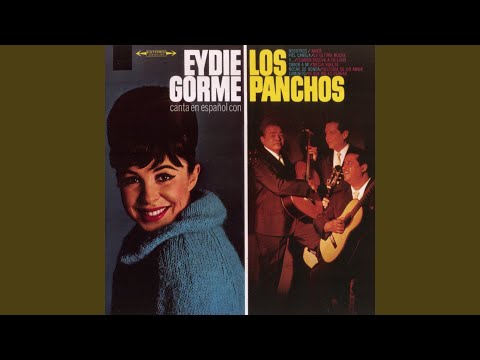
Caminito
Eydie Gorme, Los Panchos
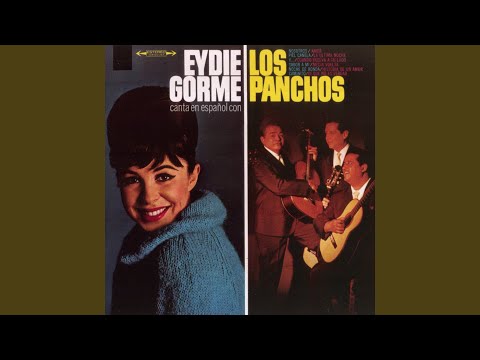
Cuando Vuelva a Tu Lado
Eydie Gormé, Los Panchos
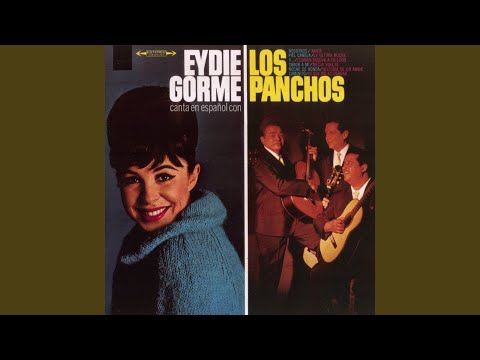
Di Que No Es Verdad
Eydie Gorme, Los Panchos
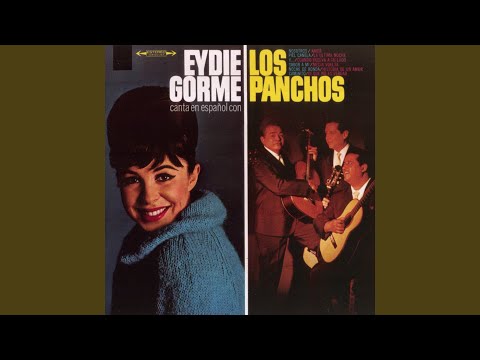
Nosotros
Eydie Gormé, Los Panchos
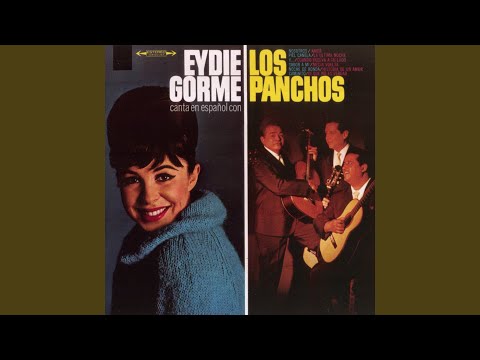
Sabor a Mí
Eydie Gorme, Los Panchos
Same Singer
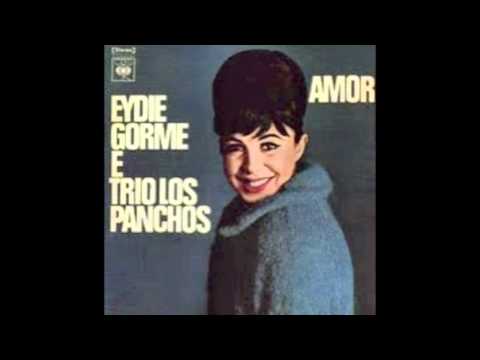
Amor
Eydie Gorme, Trio Los Panchos
Caminito
Eydie Gorme, Los Panchos
Cuando Vuelva a Tu Lado
Eydie Gormé, Los Panchos
Di Que No Es Verdad
Eydie Gorme, Los Panchos
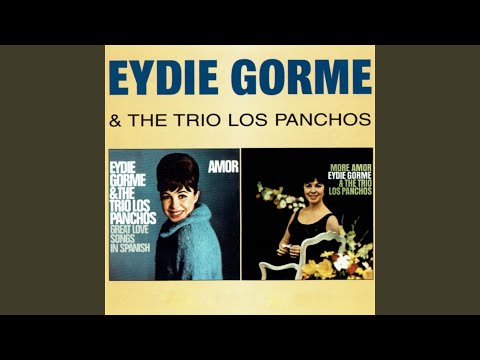
Noche de Ronda
Eydie Gorme, Trio Los Panchos
Nosotros
Eydie Gormé, Los Panchos
Piel Canela
Eydie Gorme, Trio Los Panchos
Sabor a Mí
Eydie Gorme, Los Panchos
Related Songs

Nadie Como Tú
Wisin & Yandel, Don Omar

Dile
Don Omar

Que Se Mueran
Romeo Santos

Me Gustas Tú
Manu Chao

Macarena

Ya no Somos ni Seremos
Christian Nodal

ALCOBA
Cris MJ, Clarent

Criminal
Natti Natasha, Ozuna

EXCESO DE PUTERÍA
l0rna, Kristina

TU SANCHO
Fuerza Regida

Pegao
Wisin & Yandel

GÁLDAR & AL GOLPITO
Quevedo, Tonny Tun Tun, Nueva Línea

La Guaracha (Oh Oh Oh)
Manuel Turizo, Martinwhite
Una chica está llorando
Los Acosta
Contra el dragón
Los Acosta

En algún lugar
LOS ACOSTA
En Aquel Café
Los Acosta

En Algún Lugar
Los Acosta

Ya Borré Tu Contacto
Los Acosta
YA BORRÉ TU CONTACTO
LOS ACOSTA