
Lyrics & Translation
"手望" by 張敬軒 and 王菀之 is a moving Cantopop duet that beautifully portrays themes of love, loss, and longing. Learning this song offers insights into Cantonese expressions of deep emotion and poetic imagery related to love and remembrance. Its lyrical depth and melodic beauty make it a compelling piece for language learners to explore the nuances of Cantonese culture and sentiment.
Key Vocabulary
| Vocabulary | Meanings |
|---|---|
|
願望 /yuànwàng/ B1 |
|
|
光線 /guāngxiàn/ B2 |
|
|
寂寞 /jìmò/ B1 |
|
|
故事 /gùshì/ A2 |
|
|
傷口 /shāngkǒu/ B2 |
|
|
堅強 /jiānqiáng/ B1 |
|
|
星星 /xīngxing/ A1 |
|
|
痛 /tòng/ A2 |
|
|
回憶 /huíyì/ B2 |
|
|
天使 /tiānshǐ/ A2 |
|
|
透明 /tòumíng/ B2 |
|
|
花瓣 /huābàn/ B1 |
|
|
世界 /shìjiè/ A1 |
|
|
藍色 /lánsè/ A1 |
|
|
新生 /xīnshēng/ B1 |
|
|
求 /qiú/ A2 |
|
💡 Which new word in “手望” caught your eye?
📱 Open the app to check meanings, build sentences, and try them out in real convos!
Key Grammar Structures
-
願望是讓眼睛只看到善意
➔ Use of '是' (shì) to identify or equate the subject with a complement.
➔ '是' (shì) functions as a copula in Chinese, linking the subject to its complement to express identity or attribution.
-
願望是讓眼睛只看到善意
➔ Use of '讓' (ràng) to express 'to let' or 'to allow', indicating causative meaning.
➔ '讓' (ràng) introduces a causative structure, meaning 'to make someone do something' or 'to allow'.
-
花不開也看成奇蹟
➔ Use of '也' (yě) to indicate 'also' or 'even', emphasizing inclusiveness or an unexpected outcome.
➔ '也' (yě) functions as an additive or emphasizing adverb, often translating to 'also' or 'even' in English.
-
不要問我那故事難過極了
➔ Use of '不要' (bù yào) to form a negative imperative or prohibition.
➔ '不要' (bù yào) is a common way to give a negative command or tell someone not to do something.
-
來生比你走得早
➔ Use of '比' (bǐ) to make a comparison, meaning 'more than' or 'earlier than'.
➔ '比' (bǐ) introduces a comparison between two entities, indicating superiority, inferiority, or difference.
-
靈魂在這個世上
➔ Use of '在' (zài) as a preposition to indicate the location or existence of something.
➔ '在' (zài) functions as a preposition indicating the location, time, or state of existence of a noun.
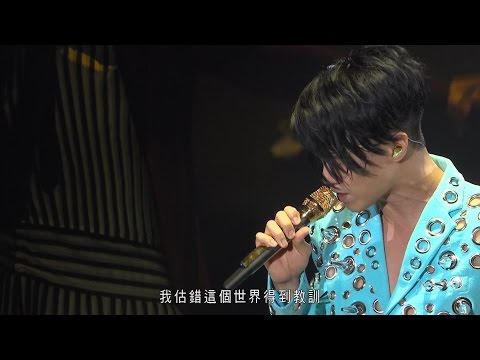
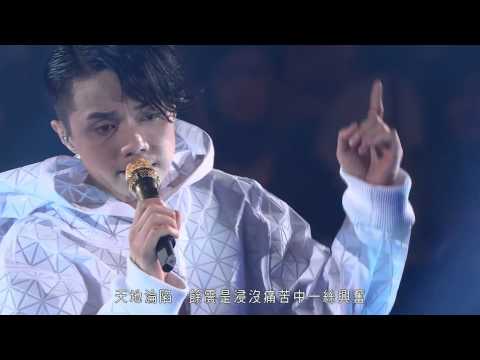
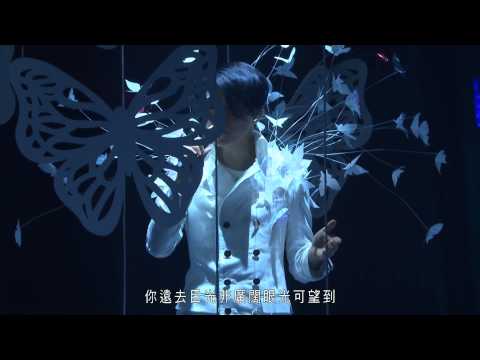
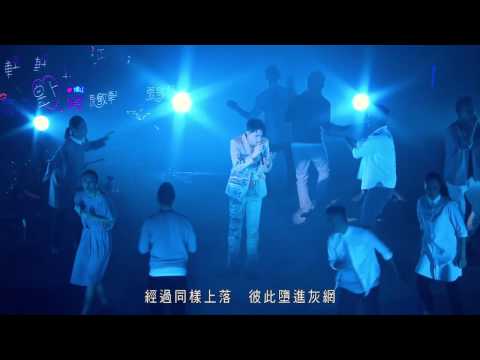
Album: Hins Live in Passion 2014

Same Singer
黃色大門
張敬軒
酷愛
張敬軒

過客別墅
張敬軒

風起了
張敬軒

找對的人
張敬軒

別為我好
許靖韻, 林奕匡

感情寄生族
張敬軒

我有多麼喜歡你
蕭敬騰

我的天
Hins Cheung, 張敬軒

不吐不快
張敬軒

手望
張敬軒, 王菀之

壯舉
張敬軒

裝睡的情人
張敬軒

情歌之後
許靖韻

披星戴月
張敬軒

作賤
許靖韻

叮噹可否不要老
張敬軒

不同班同學
張敬軒

Sweet Escape
張敬軒

井
張敬軒
Related Songs

My Skin's On Fire
Loving Caliber

Don't You Wanna Stay
Loving Caliber

Those Eyes
New West

We Don't Talk Anymore
Charlie Puth, Selena Gomez

Monster
Shawn Mendes, Justin Bieber

Never Be the Same
Camila Cabello

The 30th
Billie Eilish

Ordinary
Alex Warren

Girls Wanna Have Fun
Josh Fawaz

Gimme Dat Love
(G)I-DLE

花咲く道
ME:I

未完成婚姻論
超学生, マサ

しおざきわんだーらんど
M!LK, 塩﨑太智

des fleurs
Tove Lo, Stromae
WOKE UP IN TOKYO
BABYMONSTER

No Promises
Shayne Ward

No promises
Shayne Ward

DREAMERS
Jungkook, Fahad Al Kubaisi

Em Mới Là Người Yêu Anh
MIN

Attention
Charlie Puth