
Lyrics & Translation
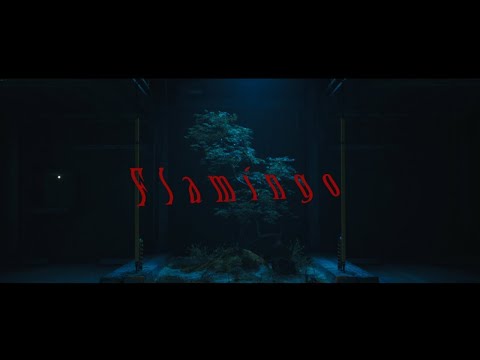
Dive into the lyrical depths of Kenshi Yonezu's 'Flamingo,' a captivating blend of traditional Japanese musicality and modern pop. This song offers a unique opportunity to explore Japanese expressions of complex emotions like sorrow and jealousy, presented through its distinctive sound and vivid imagery. Its artistic richness makes it a compelling piece for language learners and music enthusiasts alike.
Key Vocabulary
| Vocabulary | Meanings |
|---|---|
|
爪弾き (Tsumabiki) /tsɯma.bi.ki/ C1 |
|
|
悲しみ (Kanashimi) /ka.na.ʃi.mi/ A2 |
|
|
雨曝し (Amazarashi) /a.ma.za.ra.ʃi/ C1 |
|
|
花曇り (Hanagumori) /ha.na.ɡɯmo.ɾi/ B2 |
|
|
街 (Machi) /ma.t͡ɕi/ A1 |
|
|
鼻 (Hana) /ha.na/ A1 |
|
|
笑え (Warae) /wa.ɾa.e/ A1 |
|
|
髪飾り (Kamikazari) /ka.mi.ka.za.ɾi/ B2 |
|
|
恋敵 (Koigataki) /ko.i.ɡa.ta.ki/ C1 |
|
|
声 (Koe) /ko.e/ A1 |
|
|
ステージ (Suteeji) /sɯ̥teːd͡ʑi/ A2 |
|
|
夢 (Yume) /jɯme/ A2 |
|
|
地獄 (Jigoku) /d͡ʑi.ɡo.kɯ/ B1 |
|
|
物語 (Monogatari) /mo.no.ɡa.ta.ɾi/ B1 |
|
|
猿芝居 (Sarushibai) /sa.ɾɯ.ʃi.ba.i/ C2 |
|
|
嫉妬 (Shitto) /ʃit.to/ B2 |
|
Do you remember what “爪弾き (Tsumabiki)” or “悲しみ (Kanashimi)” means in "Flamingo"?
Hop into the app to practice now – quizzes, flashcards, and native-like pronunciation are waiting!
Key Grammar Structures
-
宵闇に 爪弾き
➔ Particle "に" indicating location or time.
➔ The particle "に" marks the point in time or location where the action occurs: "宵闇に" means "in the twilight."
-
悲しみに雨曝し
➔ Noun "悲しみ" + particle "に" + verb "曝し" (to expose).
➔ The phrase "悲しみに雨曝し" uses "に" to indicate the target of the exposure, which is "悲しみ" (sadness), and "曝し" means "to expose."
-
笑えないこのチンケな泥仕合
➔ Adjective "笑えない" (can't laugh) + noun phrase.
➔ The adjective "笑えない" describes something that cannot make one laugh, modifying "このチンケな泥仕合" (this petty mud fight).
-
触りたいベルベットのまなじりに
➔ Verb "触りたい" (want to touch) + noun phrase "ベルベットのまなじり" (velvet eyelid).
➔ The "verb "触りたい"" expresses desire to touch, and it is connected to "ベルベットのまなじり" indicating the velvet-like eyelid or eyelash.
-
あなたフラフラフラフラミンゴ
➔ Particle "は" omitted, emphasis on "あなた" with repetitive onomatopoeia.
➔ The subject "あなた" (you) is emphasized by the repetition of "フラフラフラフラミンゴ," which is an onomatopoeia representing wobbling or fluttering movement.
Album: STRAY SHEEP

カナリヤ
米津玄師
カムパネルラ
米津玄師
感電
米津玄師

感電
米津玄師
パプリカ
米津玄師, Foorin

海の幽霊
米津玄師

TEENAGE RIOT
米津玄師
Flamingo
米津玄師

Lemon
米津玄師
Same Singer
感電
米津玄師
感電
米津玄師

馬と鹿
米津玄師
パプリカ
米津玄師, Foorin
海の幽霊
米津玄師
TEENAGE RIOT
米津玄師
Flamingo
米津玄師
Lemon
米津玄師

春雷
米津玄師

打ち上げ花火
DAOKO,米津玄師

ピースサイン
米津玄師

orion
米津玄師

LOSER
米津玄師

リビングデッド・ユース
米津玄師

サンタマリア
米津玄師

ゴーゴー幽霊船
米津玄師
BOW AND ARROW
米津玄師
Plazma
米津玄師

IRIS OUT
米津玄師
夜鷹
米津玄師
Related Songs

Rhythm Divine
Enrique Iglesias

Best Friend
Sofia Camara

Before The Light Goes
Melody Blush

Babydoll
Dominic Fike

Nevada
Vicetone, Cozi Zuehlsdorff

Nevada
Vicetone, Cozi Zuehlsdorff

Kings & Queens
Ava Max

Fake Happy
Paramore

Hard To Love
ROSÉ

¿Cómo Así?
Kali Uchis

Diosa
Kali Uchis

Te Mata
Kali Uchis

Dame Beso // Muévete
Kali Uchis

La Chica de Humo
Emmanuel

Just The Way You Are
Milky

Stay
Zedd, Alessia Cara

Perfect
Ed Sheeran

Girls Like You
Maroon 5, Cardi B

Shape of You
Ed Sheeran

Nothing's Gonna Change My Love For You
Isaac Hong, Park Jeong Woo