
Lyrics & Translation
Dive into the golden era of Latin romantic music with José José's 'Nunca Me Dejes.' The song's clear, emotive lyrics provide an excellent introduction to Spanish vocabulary related to love, desire, and intense emotional expression, making it a perfect track to appreciate the poetic language and cultural depth of the *Balada Romántica* genre.
Key Vocabulary
| Vocabulary | Meanings |
|---|---|
|
conocí ko.no.ˈsi A2 |
|
|
amar a.ˈmar A1 |
|
|
adorabas a.ðo.ˈra.bas B1 |
|
|
llegaste lje.ˈɣas.te A2 |
|
|
amor a.ˈmor A1 |
|
|
besos ˈbe.sos A1 |
|
|
morir mo.ˈrir A2 |
|
|
ausencia au.ˈsen.θja B1 |
|
|
vivir bi.ˈbir A1 |
|
|
luna ˈlu.na A1 |
|
|
ilumina i.lu.ˈmi.na B1 |
|
|
verso ˈber.so B1 |
|
|
brisa ˈbɾi.sa A2 |
|
|
acaricia a.ka.ˈri.θja B1 |
|
|
ilusión i.lu.ˈsjon B1 |
|
🧩 Unlock "Nunca Me Dejes" – every sentence and word gets easier with the app!
💬 Don’t let tough words stop you – the app’s got your back!
Key Grammar Structures
-
Te conocí, te supe amar
➔ Past tense with preterite
➔ The verbs 'conocí' and 'supe' are in the preterite tense, indicating completed actions in the past.
-
Hoy aprendí, que me adorabas
➔ Past tense with preterite and subjunctive
➔ 'Aprendí' is preterite, while 'adorabas' is in the imperfect subjunctive, expressing a past action with a subjective nuance.
-
Nunca me dejes, no no me dejes
➔ Negative imperative
➔ The phrase uses the negative imperative form 'no me dejes' to express a strong request or prohibition.
-
Eres la luna, que me ilumina
➔ Present tense with relative pronoun
➔ 'Eres' is present tense, and 'que' is a relative pronoun introducing a descriptive clause.
-
Que sin tus besos, me voy a morir
➔ Future tense with 'ir a'
➔ 'Me voy a morir' uses the construction 'ir a' to express a future action.
Same Singer

Candy
José José
Amor de Discoteque
José José

Mientras Llueve
José José

Amándote
José José
Gotas de Fuego
José José

Buenos Días, Amor
José José

Sentimientos
José José
Mañana No
José José
En Ti
José José
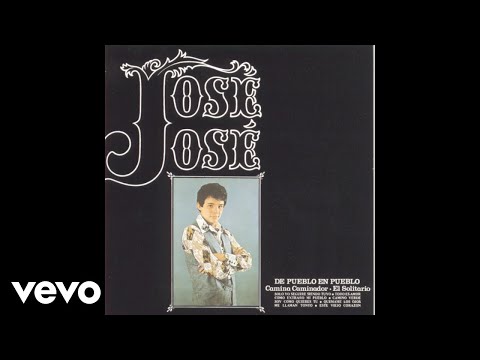
Sólo Yo Seguiré Siendo Tuyo
José José
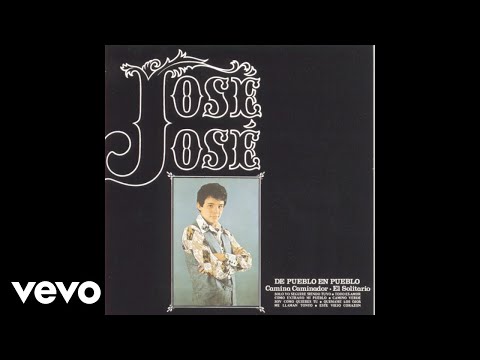
Soy Como Quieres Tú
José José
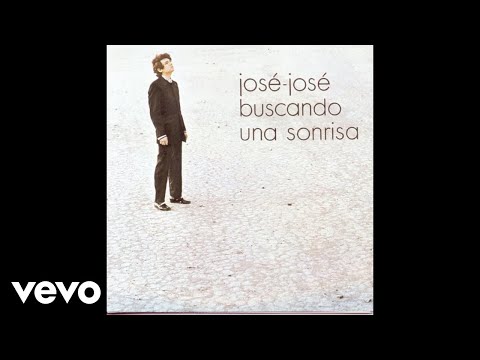
La Primera Vez
José José
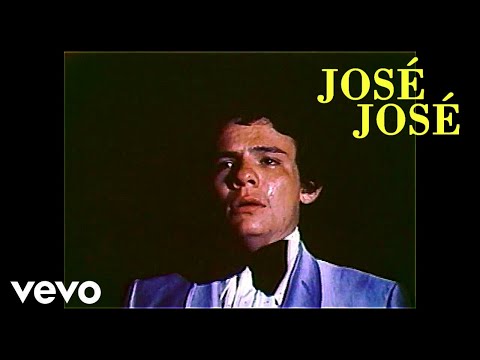
La noche de los dos
José José
La Noche de los Dos
José José
Avalancha
José José
Si Alguien Me Dijera
José José
Presiento
José José

Será
José José
Ya Viví
José José

La Primera Vez
José José
Related Songs

Nadie Como Tú
Wisin & Yandel, Don Omar

Dile
Don Omar

Que Se Mueran
Romeo Santos

Me Gustas Tú
Manu Chao

Macarena

Ya no Somos ni Seremos
Christian Nodal

ALCOBA
Cris MJ, Clarent

Criminal
Natti Natasha, Ozuna

EXCESO DE PUTERÍA
l0rna, Kristina

TU SANCHO
Fuerza Regida

Pegao
Wisin & Yandel

GÁLDAR & AL GOLPITO
Quevedo, Tonny Tun Tun, Nueva Línea

La Guaracha (Oh Oh Oh)
Manuel Turizo, Martinwhite

Una chica está llorando
Los Acosta

Contra el dragón
Los Acosta

En algún lugar
LOS ACOSTA
En Aquel Café
Los Acosta

En Algún Lugar
Los Acosta

Ya Borré Tu Contacto
Los Acosta

YA BORRÉ TU CONTACTO
LOS ACOSTA