
Lyrics & Translation
Unlock the soulful expression of romantic regret with José José's "Lluvia en la Tarde." This song is a perfect gateway for learning the Spanish language of deep, poetic melancholy (balada romántica). You can practice common expressions of longing and metaphor, as well as the past tense (like 'he deseado' - I have wished) as you follow the iconic Prince of Song through his early career masterpiece.
Key Vocabulary
| Vocabulary | Meanings |
|---|---|
|
lluvia ˈʎu.βja A1 |
|
|
tarde ˈtaɾ.ðe A1 |
|
|
romanticismo romaŋ.ˈti.sɪ.mo B1 |
|
|
locura lo.ˈku.ɾa A2 |
|
|
deseo de.ˈse.o A2 |
|
|
cumplido kum.ˈpli.ðo B1 |
|
|
principio pɾin.ˈsi.pjo A2 |
|
|
final fi.ˈnal A1 |
|
|
ironía i.ɾo.ˈni.a B1 |
|
|
empezó em.pe.ˈso A2 |
|
|
ambiente am.ˈbjente A2 |
|
|
romántico ro.man.ˈti.ko A2 |
|
|
escuchó es.ku.ˈtʃo A2 |
|
|
tenías te.ˈni.as A2 |
|
|
volver bol.ˈβer A2 |
|
🧩 Unlock "Lluvia en la Tarde" – every sentence and word gets easier with the app!
💬 Don’t let tough words stop you – the app’s got your back!
Key Grammar Structures
-
Cuántas veces hemos estado juntos
➔ Present Perfect Tense, use of 'cuántas' as an interrogative adverb
➔ The sentence uses the present perfect ('hemos estado') to indicate an action that started in the past and continues to have relevance now. 'Cuántas' means 'how many' and modifies 'veces' (times). The verb 'estar' is used to describe a state of being – being together.
-
Mi deseo jamás se ha cumplido
➔ Present Perfect Negative, use of 'jamás'
➔ This sentence expresses that a wish ('deseo') has *never* come true. 'Jamás' is an emphatic negative adverb meaning 'never'. The present perfect ('se ha cumplido') indicates that the lack of fulfillment continues to be true.
-
Hoy, que te encuentras lejos de mí, empezó a llover
➔ Subordinate Clause with 'que', Past Simple Tense
➔ The sentence contains a subordinate clause introduced by 'que' ('Hoy, que te encuentras lejos de mí'). This clause provides context for the main clause ('empezó a llover'). 'Te encuentras' is in the present tense, describing a current state, while 'empezó a llover' is in the past simple, indicating a completed action.
Same Singer

Candy
José José
Amor de Discoteque
José José

Mientras Llueve
José José

Amándote
José José

Gotas de Fuego
José José

Buenos Días, Amor
José José

Sentimientos
José José
Mañana No
José José
En Ti
José José
Sólo Yo Seguiré Siendo Tuyo
José José
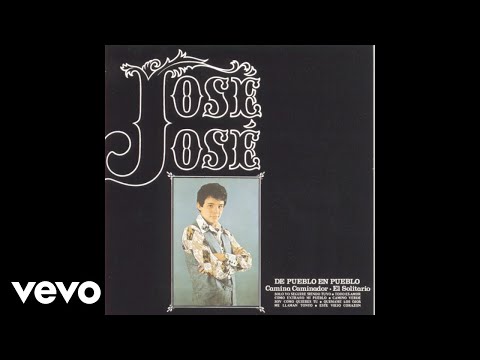
Soy Como Quieres Tú
José José

La Primera Vez
José José
La noche de los dos
José José
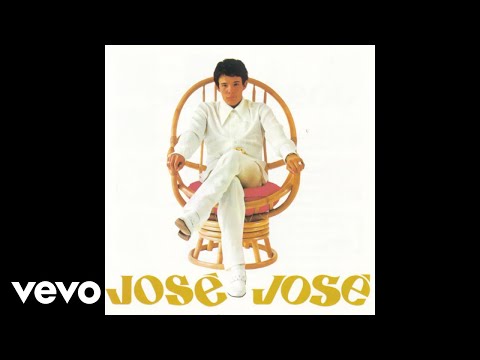
La Noche de los Dos
José José
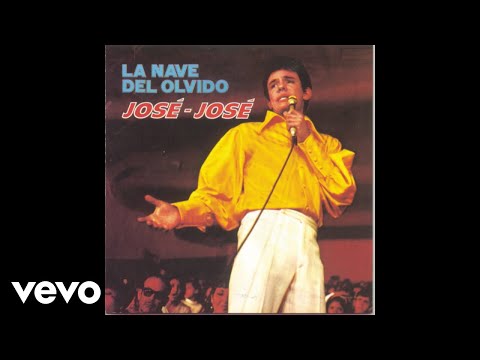
Avalancha
José José
Si Alguien Me Dijera
José José
Presiento
José José

Será
José José
Ya Viví
José José

La Primera Vez
José José
Related Songs

Nadie Como Tú
Wisin & Yandel, Don Omar

Dile
Don Omar

Que Se Mueran
Romeo Santos

Me Gustas Tú
Manu Chao

Macarena

Ya no Somos ni Seremos
Christian Nodal

ALCOBA
Cris MJ, Clarent

Criminal
Natti Natasha, Ozuna

EXCESO DE PUTERÍA
l0rna, Kristina

TU SANCHO
Fuerza Regida

Pegao
Wisin & Yandel

GÁLDAR & AL GOLPITO
Quevedo, Tonny Tun Tun, Nueva Línea

La Guaracha (Oh Oh Oh)
Manuel Turizo, Martinwhite

Una chica está llorando
Los Acosta

Contra el dragón
Los Acosta

En algún lugar
LOS ACOSTA
En Aquel Café
Los Acosta

En Algún Lugar
Los Acosta

Ya Borré Tu Contacto
Los Acosta

YA BORRÉ TU CONTACTO
LOS ACOSTA