
Lyrics & Translation
Dive into the vocabulary of romantic fulfillment with José José's 'Cosa de Dos' (A Thing of Two). This 1980 Latin Pop Ballad is an exquisite example of Spanish-language poetry about mutual love and happiness. Listen to 'El Príncipe de la Canción' masterfully use verbs of emotional realization and future happiness (like 'saber' - to know, and 'ser feliz' - to be happy), making it perfect for intermediate learners to grasp sophisticated romantic expression.
Key Vocabulary
| Vocabulary | Meanings |
|---|---|
|
entendiendo en.ten.dien.do B1 |
|
|
conociéndote ko.no.θjen.do.te A2 |
|
|
gustaste ɡus.tas.te A2 |
|
|
atrapaste a.tɾa.pas.te B1 |
|
|
amarme a.mar.me A2 |
|
|
feliz fe.lis A1 |
|
|
conocido ko.no.θi.do A2 |
|
|
encontrarnos en.kon.trar.nos A2 |
|
|
dejarnos de.χar.nos A2 |
|
|
viviremos bi.bi.re.mos A2 |
|
|
lindo lin.do A1 |
|
|
vivir bi.bir A1 |
|
|
conocí ko.no.θi A2 |
|
🚀 "entendiendo", "conociéndote" – from “Cosa de Dos” still a mystery?
Learn trendy vocab – vibe with music, get the meaning, and use it right away without sounding awkward!
Key Grammar Structures
-
Fui entendiendo tu amor por mí
➔ Ir + Gerund (Progressive nuance)
➔ The structure "fui entendiendo" implies a process that happened gradually over time rather than a sudden realization.
-
Yo nunca había pensado
➔ Past Perfect (Pluscuamperfecto)
➔ Used to describe an action that happened before another past action ("había pensado" indicates a state before the present relationship).
-
Iba a sentirme tan feliz
➔ Conditional of posteriority (Future in the past)
➔ Using "iba a" + verb allows the speaker to talk about a future outcome from the perspective of a past moment.
-
Nunca más he dejado de amarte
➔ Present Perfect (Pretérito Perfecto Compuesto)
➔ Expresses an action that started in the past and continues or has relevance up to the present moment.
-
Y ahora al encontrarnos
➔ Al + Infinitive (Temporal clause)
➔ A concise way to say "when we met". It indicates a simultaneous or sequential relationship between two events.
-
Para nunca más dejarnos
➔ Purpose clause (Para + Infinitive)
➔ "Para" here introduces the goal of the action (to never leave each other again).
-
No sabía que era cosa de dos
➔ Imperfect indicative (Describing a past state/knowledge)
➔ "Sabía" describes a state of mind or knowledge that persisted over a period in the past.
-
Qué bueno que te conocí
➔ Que-clause (Subjunctive trigger or emotional reaction)
➔ This construction "Qué bueno que..." expresses an emotional evaluation or joy about an event that occurred.
Same Singer
Candy
José José
Amor de Discoteque
José José
Mientras Llueve
José José

Amándote
José José
Gotas de Fuego
José José
Buenos Días, Amor
José José
Sentimientos
José José
Mañana No
José José
En Ti
José José
Sólo Yo Seguiré Siendo Tuyo
José José
Soy Como Quieres Tú
José José
La Primera Vez
José José
La noche de los dos
José José
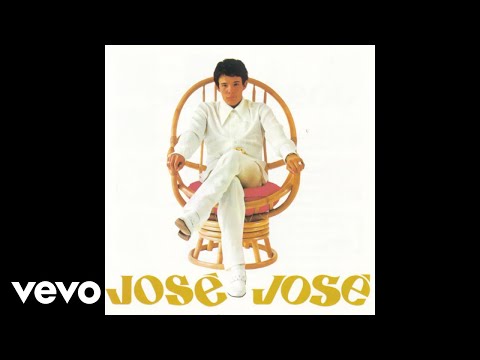
La Noche de los Dos
José José
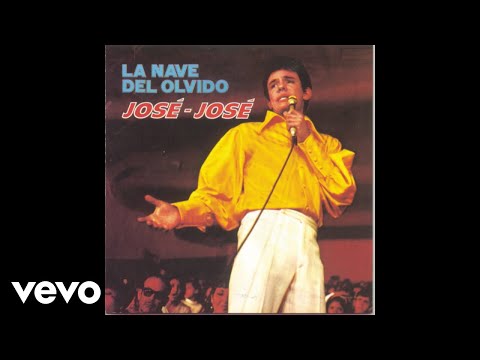
Avalancha
José José
Si Alguien Me Dijera
José José
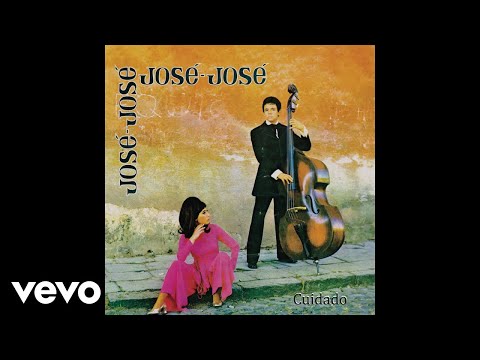
Presiento
José José
Será
José José
Ya Viví
José José

La Primera Vez
José José
Related Songs

Nadie Como Tú
Wisin & Yandel, Don Omar

Dile
Don Omar

Que Se Mueran
Romeo Santos

Me Gustas Tú
Manu Chao

Macarena

Ya no Somos ni Seremos
Christian Nodal

ALCOBA
Cris MJ, Clarent

Criminal
Natti Natasha, Ozuna

EXCESO DE PUTERÍA
l0rna, Kristina

TU SANCHO
Fuerza Regida

Pegao
Wisin & Yandel

GÁLDAR & AL GOLPITO
Quevedo, Tonny Tun Tun, Nueva Línea

La Guaracha (Oh Oh Oh)
Manuel Turizo, Martinwhite
Una chica está llorando
Los Acosta
Contra el dragón
Los Acosta

En algún lugar
LOS ACOSTA
En Aquel Café
Los Acosta
En Algún Lugar
Los Acosta

Ya Borré Tu Contacto
Los Acosta

YA BORRÉ TU CONTACTO
LOS ACOSTA