
Lyrics & Translation
Dive into the poignant world of "Sabrá Dios" by José José, a classic bolero that masterfully expresses the complexities of love, doubt, and resilience. Through José José's iconic, emotive vocals, you can explore rich Spanish vocabulary related to emotions, relationships, and internal struggle, making it a perfect song to connect with the heart of the Spanish language and its romantic musical heritage.
Key Vocabulary
| Vocabulary | Meanings |
|---|---|
|
sabrá saˈbra A2 |
|
|
quieres ˈkjeres A2 |
|
|
engañas enˈgaɲas B1 |
|
|
adivinio aðiβiˈnio B2 |
|
|
presiento pɾeˈsjento B1 |
|
|
atormentarme atoɾmenˈtaɾme B2 |
|
|
arrancar arranˈkar B1 |
|
|
ingrata inˈɡrata B2 |
|
|
luchar luˈtʃar A2 |
|
|
vergüenza beɾˈɡwenθa A2 |
|
|
fracasa fɾaˈkasa B1 |
|
|
equivocación ekɪbokaˈθjon B1 |
|
|
loco ˈloko A1 |
|
|
razón raˈθon A2 |
|
|
corazón koraˈθon A1 |
|
🧩 Unlock "Sabra Dios" – every sentence and word gets easier with the app!
💬 Don’t let tough words stop you – the app’s got your back!
Key Grammar Structures
-
Sabrá dios
➔ Future tense with 'sabrá'
➔ The verb 'sabrá' is in the future tense, indicating uncertainty or a guess about the future. It translates to 'God will know'.
-
Si tu me quieres o me engañas
➔ Present subjunctive with 'quieres' and 'engañas'
➔ The verbs 'quieres' and 'engañas' are in the present subjunctive, used after 'si' to express doubt or uncertainty. It translates to 'if you love me or deceive me'.
-
Como no adivinio
➔ Negation with 'no' and past tense 'adivinio'
➔ The word 'no' is used for negation, and 'adivinio' is in the past tense, meaning 'I did not guess'.
-
Para dudar de ti
➔ Infinitive 'dudar' after preposition 'para'
➔ The infinitive 'dudar' is used after the preposition 'para', meaning 'to doubt you'.
-
Pero yo presiento que no es conmigo
➔ Present indicative with 'presiento'
➔ The verb 'presiento' is in the present indicative, expressing a personal feeling or intuition. It translates to 'but I feel that it's not with me'.
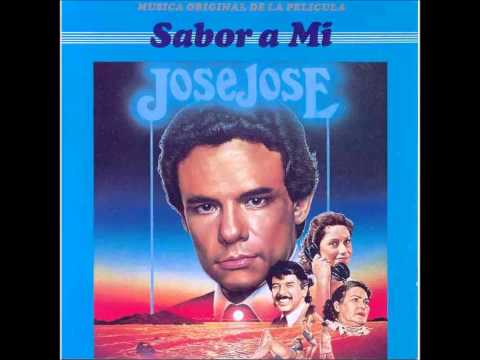
Album: Sabor A Mi
Same Singer

Candy
José José
Amor de Discoteque
José José
Mientras Llueve
José José

Amándote
José José
Gotas de Fuego
José José

Buenos Días, Amor
José José
Sentimientos
José José
Mañana No
José José
En Ti
José José
Sólo Yo Seguiré Siendo Tuyo
José José
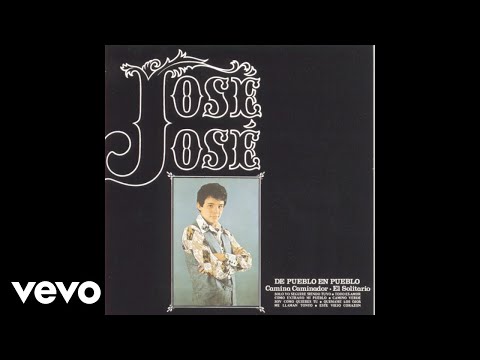
Soy Como Quieres Tú
José José
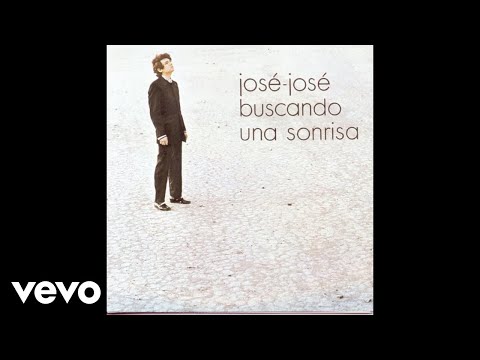
La Primera Vez
José José
La noche de los dos
José José
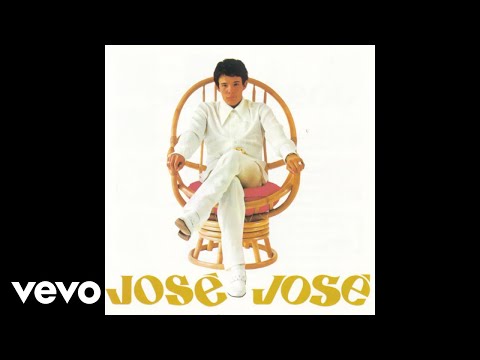
La Noche de los Dos
José José
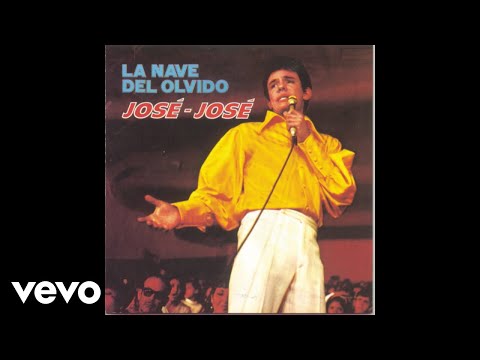
Avalancha
José José
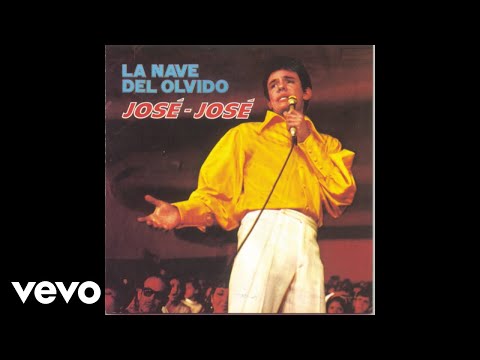
Si Alguien Me Dijera
José José
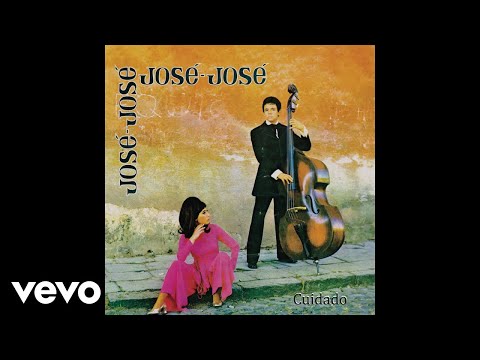
Presiento
José José
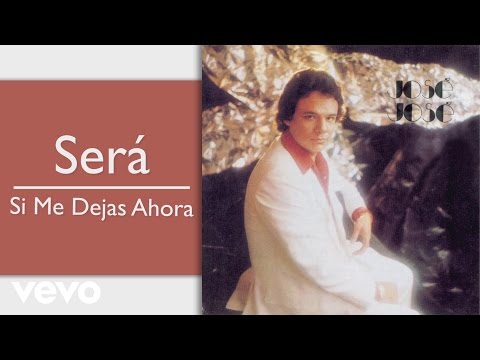
Será
José José
Ya Viví
José José

La Primera Vez
José José
Related Songs
Nadie Como Tú
Wisin & Yandel, Don Omar

Dile
Don Omar

Que Se Mueran
Romeo Santos

Me Gustas Tú
Manu Chao

Macarena

Ya no Somos ni Seremos
Christian Nodal

ALCOBA
Cris MJ, Clarent

Criminal
Natti Natasha, Ozuna

EXCESO DE PUTERÍA
l0rna, Kristina

TU SANCHO
Fuerza Regida

Pegao
Wisin & Yandel

GÁLDAR & AL GOLPITO
Quevedo, Tonny Tun Tun, Nueva Línea

La Guaracha (Oh Oh Oh)
Manuel Turizo, Martinwhite

Una chica está llorando
Los Acosta

Contra el dragón
Los Acosta

En algún lugar
LOS ACOSTA
En Aquel Café
Los Acosta

En Algún Lugar
Los Acosta

Ya Borré Tu Contacto
Los Acosta

YA BORRÉ TU CONTACTO
LOS ACOSTA