
Lyrics & Translation
Dive into the poignant Spanish lyrics of José José's 'Ahora o Nunca,' a classic ballad that masterfully expresses complex emotions of love, guilt, and protection. Learning the language through this song offers insight into the nuanced expressions of regret and selfless advice, making it special for its deep emotional resonance and its portrayal of a delicate human dilemma.
Key Vocabulary
| Vocabulary | Meanings |
|---|---|
|
culpable kuλpaβle A2 |
|
|
herir eˈɾiɾ A2 |
|
|
infiel inˈfjel A2 |
|
|
enfadar enf aˈðaɾ B1 |
|
|
demasiado ðemaˈsjaðo A2 |
|
|
niña ˈniɲa A1 |
|
|
mujer muˈxer A1 |
|
|
vestido vesˈtiðo A1 |
|
|
soñar soˈɲaɾ A2 |
|
|
ridículo riˈðikulo A2 |
|
|
dudar duˈðaɾ A2 |
|
|
paciencia paˈθjenθja A2 |
|
|
estrenar estɾeˈnaɾ B1 |
|
|
piel pjel A1 |
|
|
lagrima laˈɣɾima A2 |
|
💡 Which new word in “Ahora O Nunca” caught your eye?
📱 Open the app to check meanings, build sentences, and try them out in real convos!
Key Grammar Structures
-
Me senti culpable
➔ Preterite tense of reflexive verb
➔ The verb 'senti' is the preterite form of 'sentir' (to feel), used reflexively with 'me' to express feeling guilty.
-
Te sentiste herida
➔ Preterite tense of reflexive verb
➔ 'Sentiste' is the preterite form of 'sentir', used reflexively with 'te' to express feeling hurt.
-
No debo hacerlo
➔ Present tense of verb with negative
➔ 'Debo' is the present tense of 'deber' (to should/must), negated with 'no' to express obligation.
-
Demasiado niña / Para ser mujer
➔ Adjective placement and infinitive
➔ 'Demasiado' is an adjective placed before the noun 'niña', and 'para ser mujer' uses the infinitive form of 'ser'.
-
Vete ahora o nunca
➔ Imperative mood with adverbial phrase
➔ 'Vete' is the imperative form of 'ir' (to go), and 'ahora o nunca' is an adverbial phrase indicating urgency.
-
Pensaras tal vez que soy un tonto
➔ Future tense with adverb
➔ 'Pensaras' is the future tense of 'pensar', and 'tal vez' is an adverb indicating possibility.
-
Hice que tus lagrimas / No te acompañen
➔ Preterite tense with negative and subjunctive
➔ 'Hice' is the preterite of 'hacer', and 'no te acompañen' uses the subjunctive mood after 'que' for negation.
Album: Lo Pasado, Pasado



Same Singer

Candy
José José
Amor de Discoteque
José José

Mientras Llueve
José José

Amándote
José José

Gotas de Fuego
José José

Buenos Días, Amor
José José

Sentimientos
José José
Mañana No
José José
En Ti
José José
Sólo Yo Seguiré Siendo Tuyo
José José
Soy Como Quieres Tú
José José

La Primera Vez
José José
La noche de los dos
José José
La Noche de los Dos
José José
Avalancha
José José
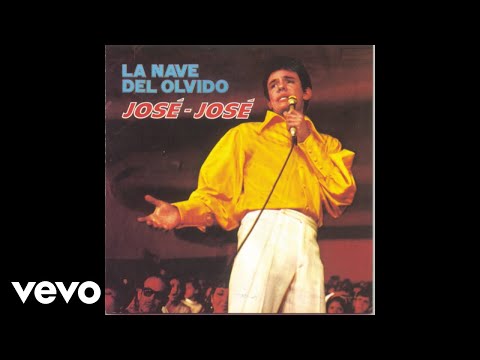
Si Alguien Me Dijera
José José
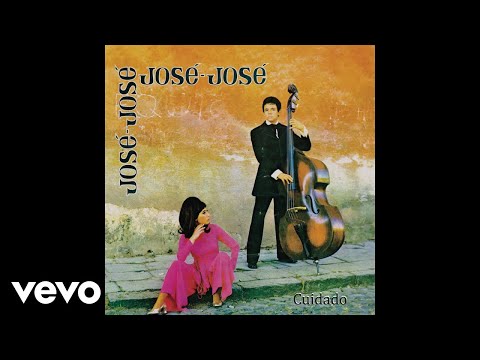
Presiento
José José

Será
José José
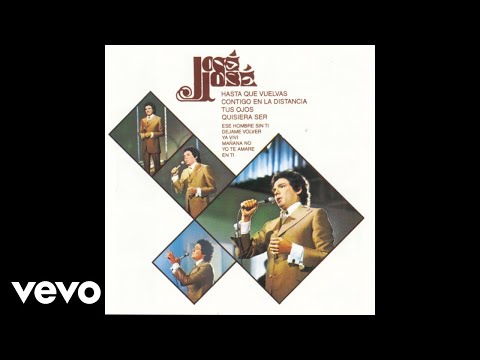
Ya Viví
José José

La Primera Vez
José José
Related Songs

Nadie Como Tú
Wisin & Yandel, Don Omar

Dile
Don Omar

Que Se Mueran
Romeo Santos

Me Gustas Tú
Manu Chao

Macarena

Ya no Somos ni Seremos
Christian Nodal

ALCOBA
Cris MJ, Clarent

Criminal
Natti Natasha, Ozuna

EXCESO DE PUTERÍA
l0rna, Kristina

TU SANCHO
Fuerza Regida

Pegao
Wisin & Yandel

GÁLDAR & AL GOLPITO
Quevedo, Tonny Tun Tun, Nueva Línea

La Guaracha (Oh Oh Oh)
Manuel Turizo, Martinwhite

Una chica está llorando
Los Acosta

Contra el dragón
Los Acosta

En algún lugar
LOS ACOSTA

En Aquel Café
Los Acosta

En Algún Lugar
Los Acosta

Ya Borré Tu Contacto
Los Acosta

YA BORRÉ TU CONTACTO
LOS ACOSTA