
Letras y Traducción
Vocabulario clave
| Vocabulario | Significados |
|---|---|
|
culpable kuλpaβle A2 |
|
|
herir eˈɾiɾ A2 |
|
|
infiel inˈfjel A2 |
|
|
enfadar enf aˈðaɾ B1 |
|
|
demasiado ðemaˈsjaðo A2 |
|
|
niña ˈniɲa A1 |
|
|
mujer muˈxer A1 |
|
|
vestido vesˈtiðo A1 |
|
|
soñar soˈɲaɾ A2 |
|
|
ridículo riˈðikulo A2 |
|
|
dudar duˈðaɾ A2 |
|
|
paciencia paˈθjenθja A2 |
|
|
estrenar estɾeˈnaɾ B1 |
|
|
piel pjel A1 |
|
|
lagrima laˈɣɾima A2 |
|
¿Qué significa “culpable” en "Ahora O Nunca"?
Aprende rápido – practica profundo – memoriza mejor con ejercicios interactivos en la app!
Estructuras gramaticales clave
-
Me senti culpable
➔ Pretérito perfecto simple de verbo reflexivo
➔ 'Senti' es la forma pretérita de 'sentir', usada reflexivamente con 'me' para expresar sentirse culpable.
-
Te sentiste herida
➔ Pretérito perfecto simple de verbo reflexivo
➔ 'Sentiste' es la forma pretérita de 'sentir', usada reflexivamente con 'te' para expresar sentirse herida.
-
No debo hacerlo
➔ Presente simple de verbo con negación
➔ 'Debo' es el presente de 'deber', negado con 'no' para expresar obligación.
-
Demasiado niña / Para ser mujer
➔ Posición del adjetivo y infinitivo
➔ 'Demasiado' es un adjetivo colocado antes del sustantivo 'niña', y 'para ser mujer' usa el infinitivo de 'ser'.
-
Vete ahora o nunca
➔ Modo imperativo con frase adverbial
➔ 'Vete' es la forma imperativa de 'ir', y 'ahora o nunca' es una frase adverbial que indica urgencia.
-
Pensaras tal vez que soy un tonto
➔ Futuro simple con adverbio
➔ 'Pensaras' es el futuro simple de 'pensar', y 'tal vez' es un adverbio que indica posibilidad.
-
Hice que tus lagrimas / No te acompañen
➔ Pretérito perfecto simple con negación y subjuntivo
➔ 'Hice' es el pretérito de 'hacer', y 'no te acompañen' usa el subjuntivo después de 'que' para la negación.
Album: Lo Pasado, Pasado



Mismo cantante

Candy
José José
Amor de Discoteque
José José
Mientras Llueve
José José

Amándote
José José

Gotas de Fuego
José José
Buenos Días, Amor
José José

Sentimientos
José José
Mañana No
José José
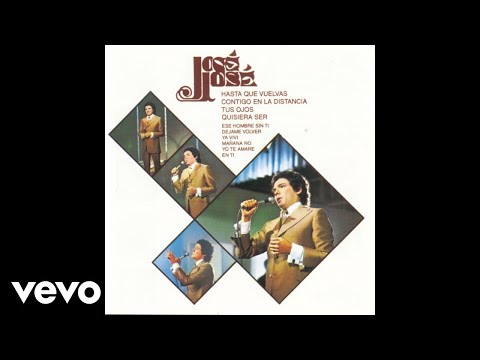
En Ti
José José
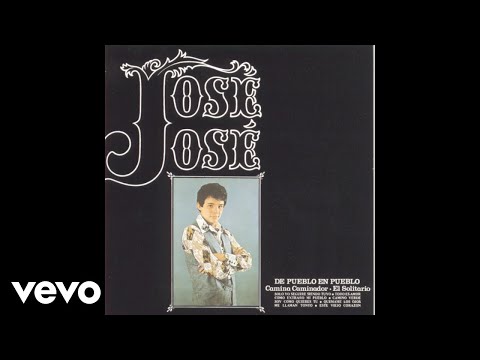
Sólo Yo Seguiré Siendo Tuyo
José José
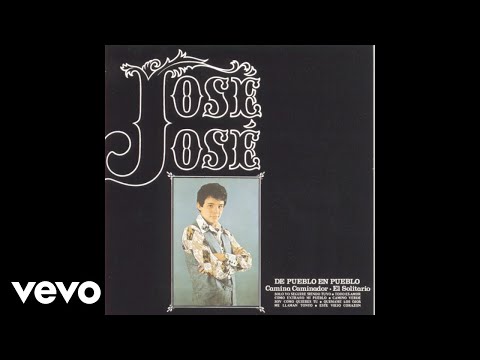
Soy Como Quieres Tú
José José
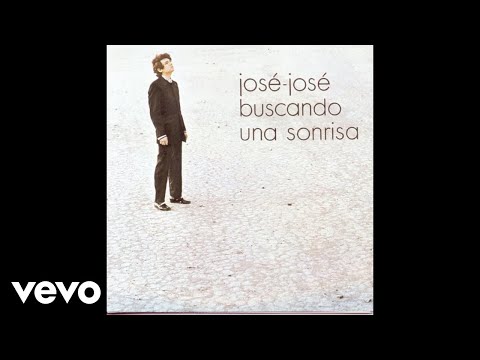
La Primera Vez
José José

La noche de los dos
José José
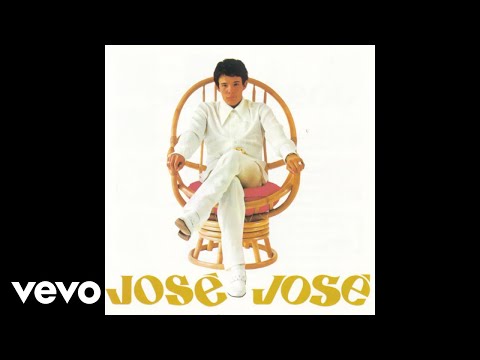
La Noche de los Dos
José José
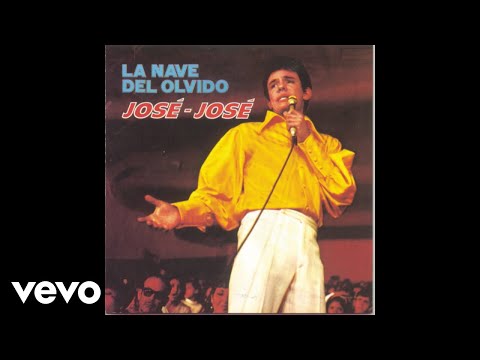
Avalancha
José José
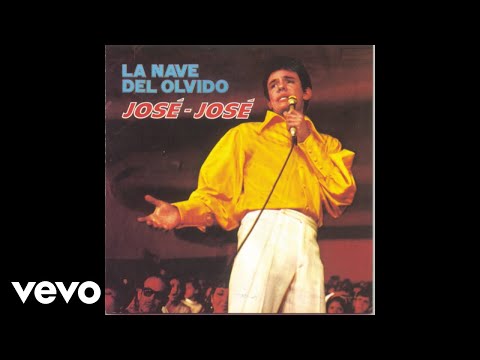
Si Alguien Me Dijera
José José
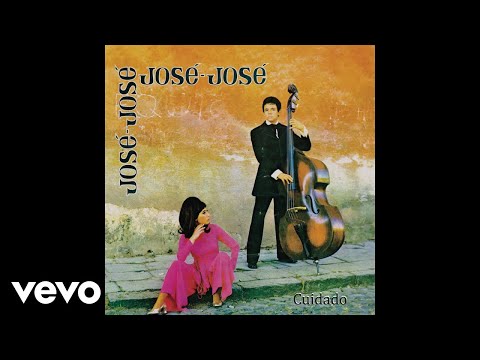
Presiento
José José

Será
José José
Ya Viví
José José

La Primera Vez
José José
Canciones relacionadas

Nadie Como Tú
Wisin & Yandel, Don Omar

Dile
Don Omar

Que Se Mueran
Romeo Santos

Me Gustas Tú
Manu Chao

Macarena

Ya no Somos ni Seremos
Christian Nodal

ALCOBA
Cris MJ, Clarent

Criminal
Natti Natasha, Ozuna

EXCESO DE PUTERÍA
l0rna, Kristina

TU SANCHO
Fuerza Regida

Pegao
Wisin & Yandel

GÁLDAR & AL GOLPITO
Quevedo, Tonny Tun Tun, Nueva Línea

La Guaracha (Oh Oh Oh)
Manuel Turizo, Martinwhite

Una chica está llorando
Los Acosta

Contra el dragón
Los Acosta

En algún lugar
LOS ACOSTA
En Aquel Café
Los Acosta

En Algún Lugar
Los Acosta

Ya Borré Tu Contacto
Los Acosta

YA BORRÉ TU CONTACTO
LOS ACOSTA