
Lyrics & Translation
Key Vocabulary
| Vocabulary | Meanings |
|---|---|
|
amor aˈmoɾ A1 |
|
|
encontrado enkonˈtɾaðo A2 |
|
|
herido eˈɾiðo A2 |
|
|
cansado kanˈsaðo A2 |
|
|
encadenado enkaðeˈnaðo B1 |
|
|
olvido olˈβiðo A2 |
|
|
profundo pɾoˈfunðo A2 |
|
|
lejano leˈxano A2 |
|
|
cierto ˈθjerto A1 |
|
|
guarida ɡwaˈɾiða B1 |
|
|
perdido peɾˈðiðo A2 |
|
|
desfallecido desfaʎeˈθiðo B2 |
|
|
sentado senˈtaðo A1 |
|
|
pasado paˈsaðo A1 |
|
|
pintas ˈpintas A2 |
|
|
llena ˈʎena A1 |
|
💡 Which new word in “Amor, Amor” caught your eye?
📱 Open the app to check meanings, build sentences, and try them out in real convos!
Key Grammar Structures
-
¿Dónde está el amor?
➔ Interrogative sentence with subject‑verb inversion
➔ The word "¿Dónde" introduces a question and the verb "está" comes before the subject "el amor".
-
¿Alguien lo ha encontrado, por favor o no?
➔ Present perfect tense in an indirect question
➔ The auxiliary "ha" + past participle "encontrado" forms the present perfect "ha encontrado" meaning "has found".
-
Puede estar herido, pero no morir
➔ Modal verb + infinitive; adversative conjunction "pero"
➔ The modal "Puede" is followed by the infinitive "estar"; "pero" introduces a contrast with "no morir".
-
Quizás esté dormido
➔ Subjunctive mood after the adverb "quizás"
➔ "Quizás" (perhaps) triggers the subjunctive, so the verb appears as "esté" instead of the indicative "está".
-
Amor, amor Que te pintas de cualquier color
➔ Reflexive verb "pintarse" and relative clause introduced by "que"
➔ "te pintas" is the reflexive form meaning "you paint yourself"; "que" links the clause to the noun "Amor".
-
Tan profundo como el viento
➔ Comparative structure "tan ... como"
➔ "Tan" intensifies the adjective "profundo" and "como" introduces the element of comparison "el viento".
-
Si me escuchas, si me puedes ver
➔ Conditional clauses with "si" + present indicative
➔ "Si" introduces a real condition; both verbs "escuchas" and "puedes" are in the present indicative.
-
Llena un poco de mi vida
➔ Imperative mood (affirmative) with direct object
➔ "Llena" is the second‑person singular imperative of "llenar" meaning "fill"; the phrase "un poco de mi vida" is the direct object.
-
¿Cuándo volverá?
➔ Future simple tense in a direct question
➔ "Volverá" is the third‑person singular of the verb "volver" in the future tense, asking "When will it return?"
Same Singer
Candy
José José
Amor de Discoteque
José José
Mientras Llueve
José José

Amándote
José José
Gotas de Fuego
José José
Buenos Días, Amor
José José
Sentimientos
José José
Mañana No
José José
En Ti
José José
Sólo Yo Seguiré Siendo Tuyo
José José
Soy Como Quieres Tú
José José
La Primera Vez
José José
La noche de los dos
José José
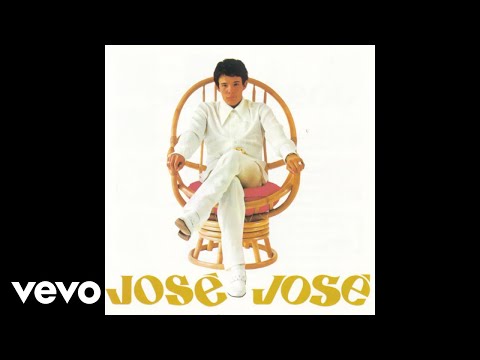
La Noche de los Dos
José José
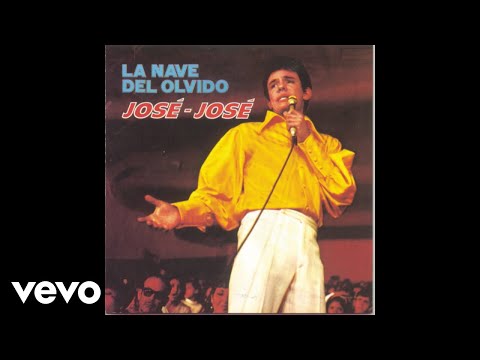
Avalancha
José José
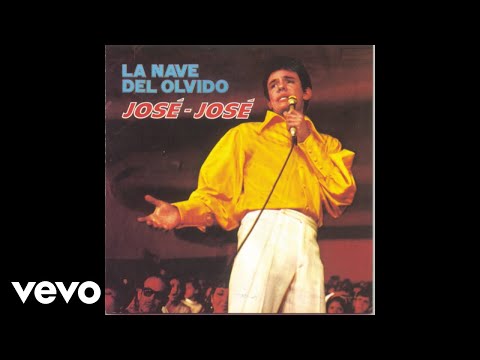
Si Alguien Me Dijera
José José
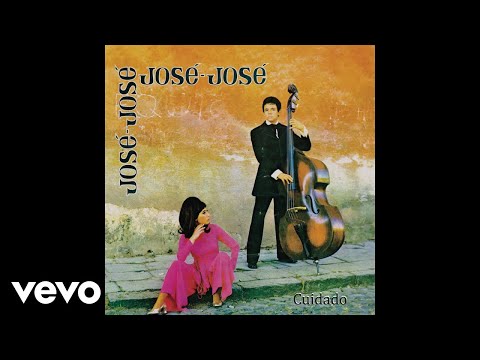
Presiento
José José
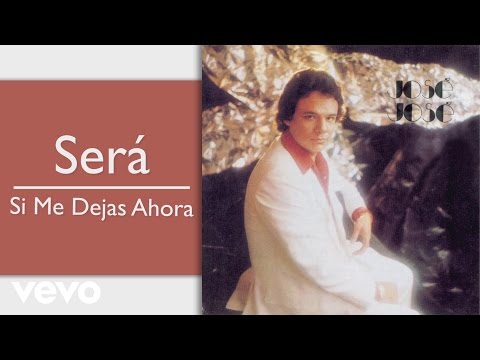
Será
José José
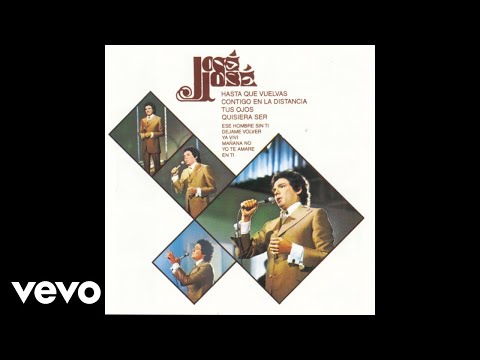
Ya Viví
José José
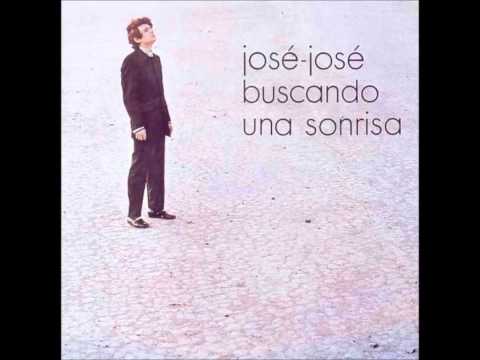
La Primera Vez
José José
Related Songs

Nadie Como Tú
Wisin & Yandel, Don Omar

Dile
Don Omar

Que Se Mueran
Romeo Santos

Me Gustas Tú
Manu Chao

Macarena

Ya no Somos ni Seremos
Christian Nodal

ALCOBA
Cris MJ, Clarent

Criminal
Natti Natasha, Ozuna
EXCESO DE PUTERÍA
l0rna, Kristina

TU SANCHO
Fuerza Regida

Pegao
Wisin & Yandel

GÁLDAR & AL GOLPITO
Quevedo, Tonny Tun Tun, Nueva Línea

La Guaracha (Oh Oh Oh)
Manuel Turizo, Martinwhite
Una chica está llorando
Los Acosta
Contra el dragón
Los Acosta

En algún lugar
LOS ACOSTA
En Aquel Café
Los Acosta

En Algún Lugar
Los Acosta

Ya Borré Tu Contacto
Los Acosta
YA BORRÉ TU CONTACTO
LOS ACOSTA