
Letras y Traducción
Vocabulario clave
| Vocabulario | Significados |
|---|---|
|
amor aˈmoɾ A1 |
|
|
encontrado enkonˈtɾaðo A2 |
|
|
herido eˈɾiðo A2 |
|
|
cansado kanˈsaðo A2 |
|
|
encadenado enkaðeˈnaðo B1 |
|
|
olvido olˈβiðo A2 |
|
|
profundo pɾoˈfunðo A2 |
|
|
lejano leˈxano A2 |
|
|
cierto ˈθjerto A1 |
|
|
guarida ɡwaˈɾiða B1 |
|
|
perdido peɾˈðiðo A2 |
|
|
desfallecido desfaʎeˈθiðo B2 |
|
|
sentado senˈtaðo A1 |
|
|
pasado paˈsaðo A1 |
|
|
pintas ˈpintas A2 |
|
|
llena ˈʎena A1 |
|
¿Qué significa “amor” en "Amor, Amor"?
Aprende rápido – practica profundo – memoriza mejor con ejercicios interactivos en la app!
Estructuras gramaticales clave
-
¿Dónde está el amor?
➔ Oración interrogativa con inversión sujeto‑verbo
➔ "¿Dónde" introduce la pregunta y el verbo "está" precede al sujeto "el amor".
-
¿Alguien lo ha encontrado, por favor o no?
➔ Tiempo pretérito perfecto en una pregunta indirecta
➔ El auxiliar "ha" + participio pasado "encontrado" forma el pretérito perfecto "ha encontrado" (ha encontrado).
-
Puede estar herido, pero no morir
➔ Verbo modal + infinitivo; conjunción adversativa "pero"
➔ "Puede" (modal) va seguido del infinitivo "estar"; "pero" introduce una contraposición con "no morir".
-
Quizás esté dormido
➔ Modo subjuntivo después del adverbio "quizás"
➔ "Quizás" (tal vez) obliga al subjuntivo, por eso el verbo es "esté" y no "está".
-
Amor, amor Que te pintas de cualquier color
➔ Verbo reflexivo "pintarse" y oración relativa introducida por "que"
➔ "te pintas" es la forma reflexiva que significa "te pintas a ti mismo"; "que" introduce la oración relativa que modifica a "Amor".
-
Tan profundo como el viento
➔ Estructura comparativa "tan ... como"
➔ "Tan" intensifica el adjetivo "profundo" y "como" introduce el término de comparación "el viento".
-
Si me escuchas, si me puedes ver
➔ Oraciones condicionales con "si" + presente de indicativo
➔ "Si" introduce una condición real; los verbos "escuchas" y "puedes" están en presente de indicativo.
-
Llena un poco de mi vida
➔ Modo imperativo (afirmativo) con objeto directo
➔ "Llena" es el imperativo (tú) de "llenar" que significa "llenar"; "un poco de mi vida" funciona como objeto directo.
-
¿Cuándo volverá?
➔ Tiempo futuro simple en una pregunta directa
➔ "Volverá" es la forma de tercera persona singular del verbo "volver" en futuro, preguntando "¿Cuándo volverá?"
Mismo cantante
Candy
José José
Amor de Discoteque
José José
Mientras Llueve
José José
Amándote
José José

Gotas de Fuego
José José
Buenos Días, Amor
José José
Sentimientos
José José
Mañana No
José José
En Ti
José José
Sólo Yo Seguiré Siendo Tuyo
José José
Soy Como Quieres Tú
José José
La Primera Vez
José José
La noche de los dos
José José
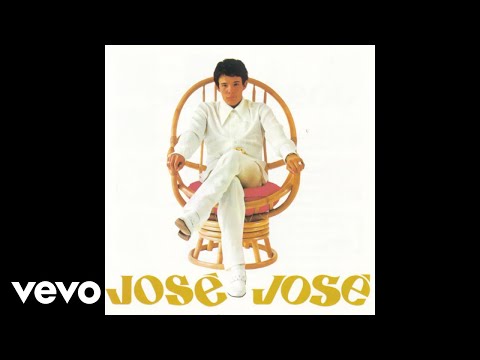
La Noche de los Dos
José José
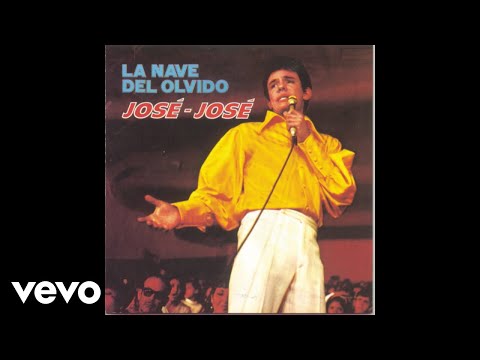
Avalancha
José José
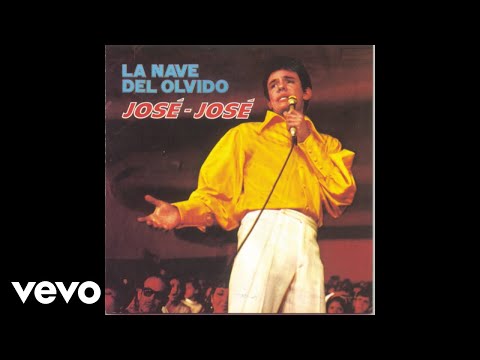
Si Alguien Me Dijera
José José
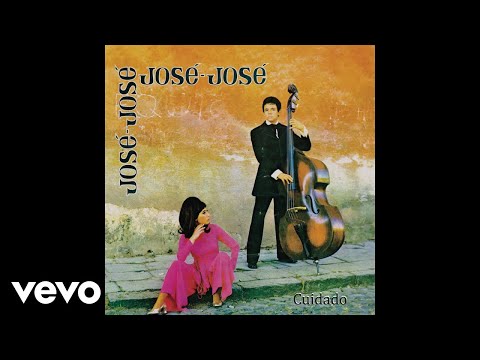
Presiento
José José

Será
José José
Ya Viví
José José

La Primera Vez
José José
Canciones relacionadas

Nadie Como Tú
Wisin & Yandel, Don Omar

Dile
Don Omar

Que Se Mueran
Romeo Santos

Me Gustas Tú
Manu Chao

Macarena

Ya no Somos ni Seremos
Christian Nodal

ALCOBA
Cris MJ, Clarent

Criminal
Natti Natasha, Ozuna

EXCESO DE PUTERÍA
l0rna, Kristina

TU SANCHO
Fuerza Regida

Pegao
Wisin & Yandel

GÁLDAR & AL GOLPITO
Quevedo, Tonny Tun Tun, Nueva Línea

La Guaracha (Oh Oh Oh)
Manuel Turizo, Martinwhite

Una chica está llorando
Los Acosta
Contra el dragón
Los Acosta

En algún lugar
LOS ACOSTA
En Aquel Café
Los Acosta

En Algún Lugar
Los Acosta

Ya Borré Tu Contacto
Los Acosta

YA BORRÉ TU CONTACTO
LOS ACOSTA