
Lyrics & Translation
Dive into the melancholic beauty of José José's "Hoy cuando tú ya no estás" to experience the richness of the Spanish language. This classic ballad, filled with expressive vocabulary and emotional depth, offers a unique opportunity to learn Spanish through its poetic lyrics about loss and longing. Its clear enunciation and heartfelt delivery make it an excellent song for language learners to grasp nuances of expression and expand their vocabulary in a captivating musical context.
Key Vocabulary
| Vocabulary | Meanings |
|---|---|
|
invierno inˈβjeɾno B1 |
|
|
flores ˈfloɾes A2 |
|
|
marchitas maɾˈʧitas B1 |
|
|
soledad soleˈðað B2 |
|
|
recuerdo ɾeˈkweɾðo B1 |
|
|
velan beˈlan C1 |
|
|
luz luθ A2 |
|
|
consuelo konˈswelo B2 |
|
|
cuides ˈkwides B1 |
|
|
andar anˈdaɾ A2 |
|
|
mañana maˈɲana A2 |
|
|
perdido peɾˈðiðo B1 |
|
|
muero ˈmweɾo B2 |
|
|
solitarias soliˈtaɾjas B1 |
|
|
busco ˈbusko A2 |
|
Do you remember what “invierno” or “flores” means in "Hoy cuando tú ya no estás"?
Hop into the app to practice now – quizzes, flashcards, and native-like pronunciation are waiting!
Key Grammar Structures
-
Con una noche de invierno
➔ Prepositional phrase with a feminine singular noun
➔ The phrase uses the preposition 'con' (with) followed by a feminine singular noun 'noche' (night), agreeing in gender and number.
-
Dejaste solo mi ser
➔ Past tense verb with indirect object pronoun
➔ The verb 'dejaste' (you left) is in the past tense and uses the indirect object pronoun 'mi' (my) to indicate possession.
-
Hoy cuando tú ya no estás
➔ Present tense with temporal clause
➔ The phrase uses the present tense 'estás' (you are) with a temporal clause 'cuando' (when) to express a present condition.
-
Sé lo que es la soledad
➔ Present tense of 'saber' with a declarative clause
➔ The verb 'sé' (I know) is in the present tense and introduces a declarative clause 'lo que es la soledad' (what loneliness is).
-
Quiero que cuides mi andar
➔ Present subjunctive in a noun clause
➔ The verb 'cuides' (you take care) is in the present subjunctive within a noun clause introduced by 'que' (that).
Same Singer

Candy
José José
Amor de Discoteque
José José

Mientras Llueve
José José

Amándote
José José

Gotas de Fuego
José José

Buenos Días, Amor
José José

Sentimientos
José José
Mañana No
José José
En Ti
José José
Sólo Yo Seguiré Siendo Tuyo
José José
Soy Como Quieres Tú
José José
La Primera Vez
José José
La noche de los dos
José José
La Noche de los Dos
José José
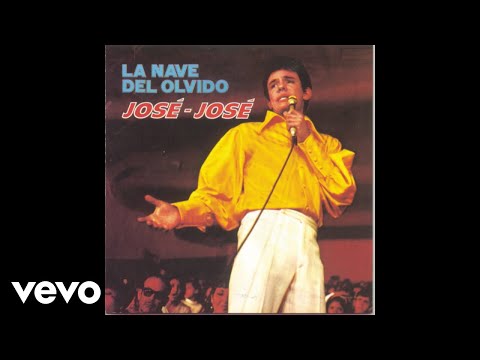
Avalancha
José José
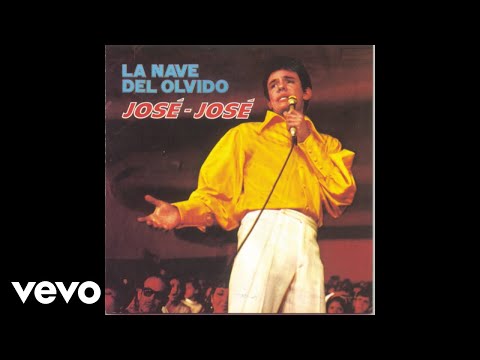
Si Alguien Me Dijera
José José
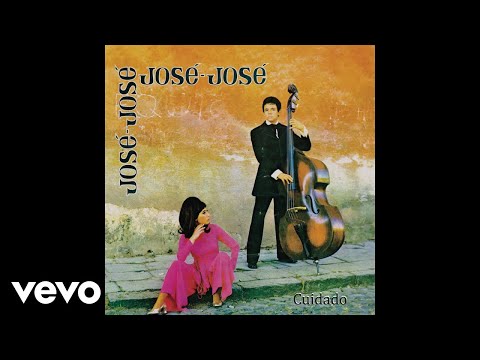
Presiento
José José

Será
José José
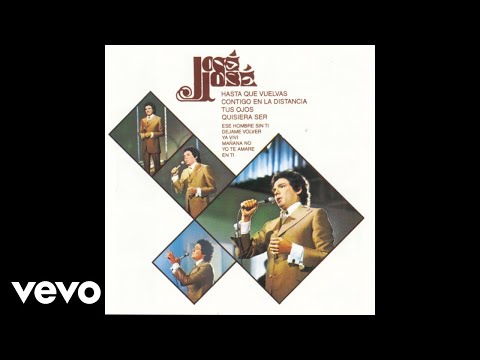
Ya Viví
José José

La Primera Vez
José José
Related Songs

Nadie Como Tú
Wisin & Yandel, Don Omar

Dile
Don Omar

Que Se Mueran
Romeo Santos

Me Gustas Tú
Manu Chao

Macarena

Ya no Somos ni Seremos
Christian Nodal

ALCOBA
Cris MJ, Clarent

Criminal
Natti Natasha, Ozuna

EXCESO DE PUTERÍA
l0rna, Kristina

TU SANCHO
Fuerza Regida

Pegao
Wisin & Yandel

GÁLDAR & AL GOLPITO
Quevedo, Tonny Tun Tun, Nueva Línea

La Guaracha (Oh Oh Oh)
Manuel Turizo, Martinwhite

Una chica está llorando
Los Acosta

Contra el dragón
Los Acosta

En algún lugar
LOS ACOSTA

En Aquel Café
Los Acosta

En Algún Lugar
Los Acosta

Ya Borré Tu Contacto
Los Acosta

YA BORRÉ TU CONTACTO
LOS ACOSTA