
Lyrics & Translation
If you want to understand the depth of Spanish romantic expression, 'Lástima' by José José is essential listening. The song is a masterclass in the Latin Pop ballad genre and an excellent way to grasp highly emotional, dramatic language. Focus on the repeated phrase, 'No me provoques' (Don't provoke me), and the word 'Lástima' itself to learn about Spanish expressions of pity, yearning, and internal conflict over a powerful, forbidden love.
Key Vocabulary
| Vocabulary | Meanings |
|---|---|
|
provocar provocar B2 |
|
|
mirar mirar A1 |
|
|
solo solo A1 |
|
|
coquetear coquetear B2 |
|
|
bonita bonita A2 |
|
|
notar notar B1 |
|
|
fruncir fruncir B2 |
|
|
labios labios A1 |
|
|
besar besar A1 |
|
|
desear desear B1 |
|
|
piedad piedad B2 |
|
|
lástima lástima B2 |
|
|
dar dar A1 |
|
|
correr correr A1 |
|
|
abrazar abrazar B1 |
|
|
huir huir B1 |
|
|
fin fin A1 |
|
|
mundo mundo A1 |
|
|
indefenso indefenso B2 |
|
|
vida vida A1 |
|
Are there any new words in “Lástima” you don’t know yet?
💡 Hint: provocar, mirar… Jump into the app and start learning now!
Key Grammar Structures
-
No me provoques, mira que no estoy solo.
➔ Present tense with imperative
➔ The verb 'provoques' is in the present tense and imperative mood, used to give a direct command or request.
-
que tú eres muy bonita y se te va a notar.
➔ Future tense with 'ir a'
➔ The phrase 'se te va a notar' uses the construction 'ir a' to express a future action.
-
No me provoques, que te deseo mucho, al menos ten piedad.
➔ Subjunctive mood with 'que'
➔ The verb 'ten' is in the subjunctive mood after 'que', expressing a wish or suggestion.
-
Cuánto daría por correr a ti para abrazarte y poder huir.
➔ Conditional tense with 'daría'
➔ The verb 'daría' is in the conditional tense, expressing a hypothetical action or wish.
-
¿Quién fuera ese que a tu lado va?
➔ Subjunctive in interrogative sentence
➔ The verb 'fuera' is in the subjunctive mood, used in a question to express uncertainty or a hypothetical situation.
Same Singer

Candy
José José
Amor de Discoteque
José José
Mientras Llueve
José José

Amándote
José José
Gotas de Fuego
José José
Buenos Días, Amor
José José
Sentimientos
José José
Mañana No
José José
En Ti
José José
Sólo Yo Seguiré Siendo Tuyo
José José
Soy Como Quieres Tú
José José
La Primera Vez
José José
La noche de los dos
José José
La Noche de los Dos
José José
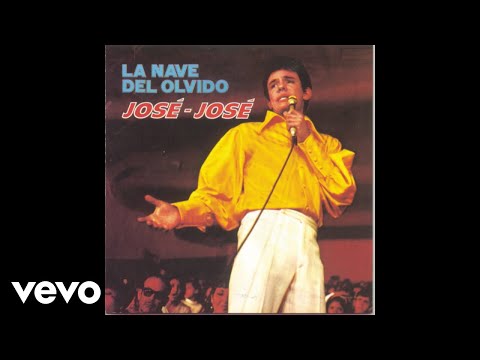
Avalancha
José José
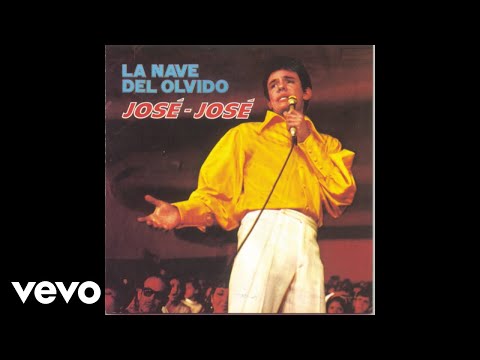
Si Alguien Me Dijera
José José
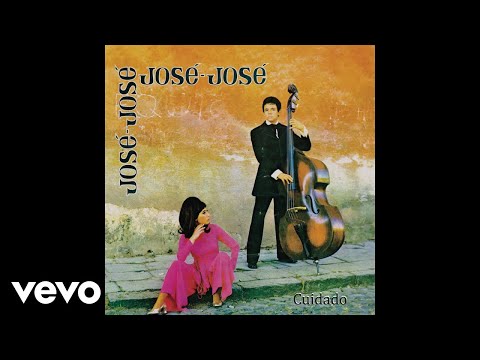
Presiento
José José
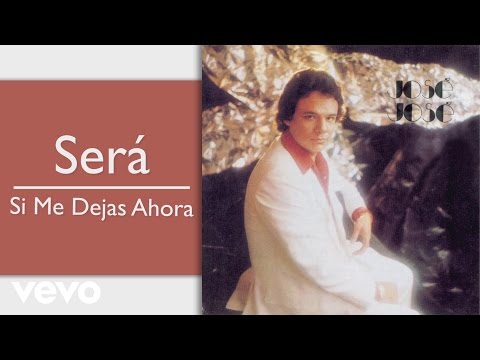
Será
José José
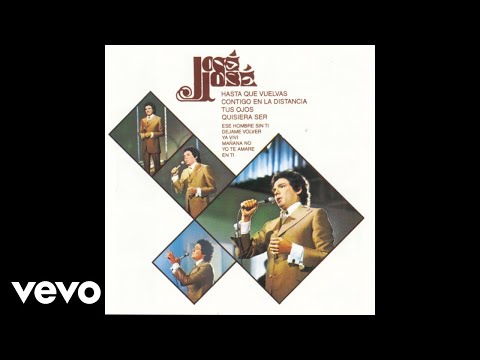
Ya Viví
José José

La Primera Vez
José José
Related Songs
Nadie Como Tú
Wisin & Yandel, Don Omar

Dile
Don Omar

Que Se Mueran
Romeo Santos

Me Gustas Tú
Manu Chao

Macarena

Ya no Somos ni Seremos
Christian Nodal

ALCOBA
Cris MJ, Clarent

Criminal
Natti Natasha, Ozuna

EXCESO DE PUTERÍA
l0rna, Kristina
TU SANCHO
Fuerza Regida

Pegao
Wisin & Yandel

GÁLDAR & AL GOLPITO
Quevedo, Tonny Tun Tun, Nueva Línea

La Guaracha (Oh Oh Oh)
Manuel Turizo, Martinwhite
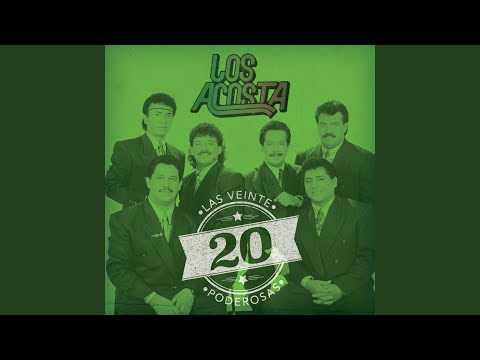
Una chica está llorando
Los Acosta
Contra el dragón
Los Acosta

En algún lugar
LOS ACOSTA
En Aquel Café
Los Acosta

En Algún Lugar
Los Acosta

Ya Borré Tu Contacto
Los Acosta

YA BORRÉ TU CONTACTO
LOS ACOSTA