
Lyrics & Translation
Dive into the vocabulary of heartbreak with 'Payaso.' This classic *balada romántica* offers a rich source of intermediate and advanced Spanish, teaching you emotional expressions, poetic metaphors, and the use of the word 'payaso' (clown) as a metaphor for a person mocked for their devotion. José José’s deeply resonant and dramatic vocal style makes the Spanish emotion crystal clear, transforming a common insult into a statement of resigned self-acceptance.
Key Vocabulary
| Vocabulary | Meanings |
|---|---|
|
payaso paˈʝaso A1 |
|
|
muriendo muˈɾjen̪do A2 |
|
|
caso ˈkaso A1 |
|
|
ilusión ilusiˈon A2 |
|
|
abrazo aˈβɾaθo A1 |
|
|
fracaso fɾaˈkaso A2 |
|
|
buscando busˈkando A1 |
|
|
valor baˈloɾ A2 |
|
|
pasos ˈpasos A1 |
|
|
verdad beɾˈðað A1 |
|
|
querer keˈɾeɾ A1 |
|
|
alma ˈalma A2 |
|
|
pedazos peˈðaθos A2 |
|
|
tirando tiˈɾan̪do B1 |
|
|
balazo baˈlaθo B1 |
|
What does “payaso” mean in the song "Payaso"?
Learn fast – go deep – and remember longer with interactive exercises in the app!
Key Grammar Structures
-
Dicen que soy un payaso
➔ Present tense of 'decir' (to say)
➔ The verb 'dicen' is the third-person plural present tense of 'decir', indicating that people are saying something about the subject.
-
Que estoy muriendo por ti
➔ Present progressive with 'estar' + gerund
➔ The phrase uses 'estoy muriendo' to express an ongoing action, emphasizing the continuous nature of the emotion.
-
Y tú no me haces ni caso
➔ Negative construction with 'ni'
➔ The use of 'ni caso' emphasizes a stronger negation, meaning 'not even a bit of attention'.
-
Es tenerte entre mis brazos
➔ Infinitive used as a subject
➔ The infinitive 'tenerte' functions as the subject of the sentence, which is a common construction in Spanish.
-
Uno no es lo que quiere / Sino lo que puede ser
➔ Use of 'sino' for contrast
➔ The conjunction 'sino' is used to contrast two ideas, replacing 'no... sino' (not... but).
Album: El Príncipe de la Canción

Same Singer
Candy
José José
Amor de Discoteque
José José
Mientras Llueve
José José

Amándote
José José
Gotas de Fuego
José José

Buenos Días, Amor
José José
Sentimientos
José José
Mañana No
José José
En Ti
José José
Sólo Yo Seguiré Siendo Tuyo
José José
Soy Como Quieres Tú
José José
La Primera Vez
José José
La noche de los dos
José José
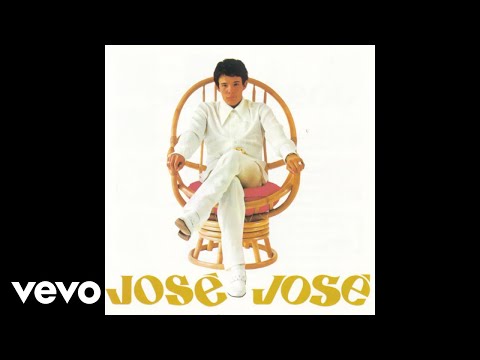
La Noche de los Dos
José José
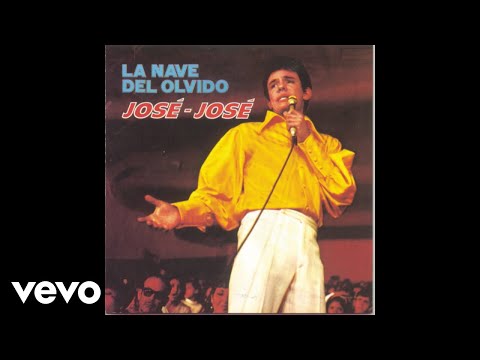
Avalancha
José José
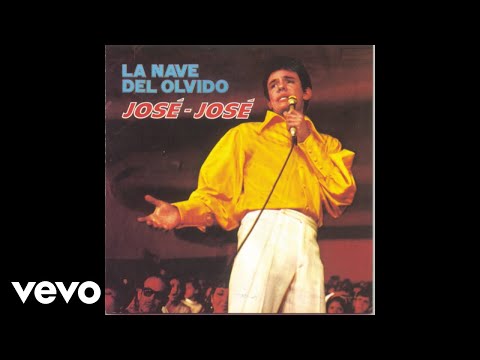
Si Alguien Me Dijera
José José
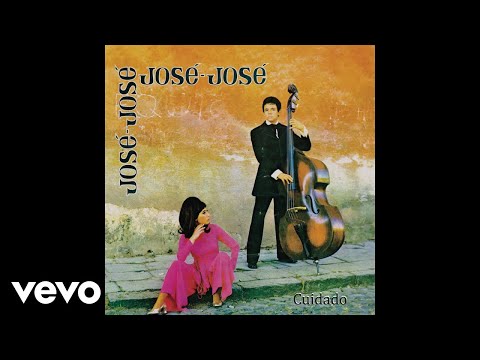
Presiento
José José
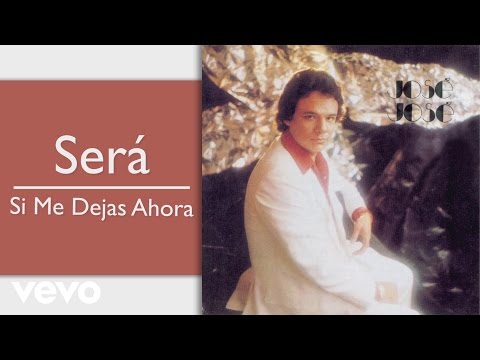
Será
José José
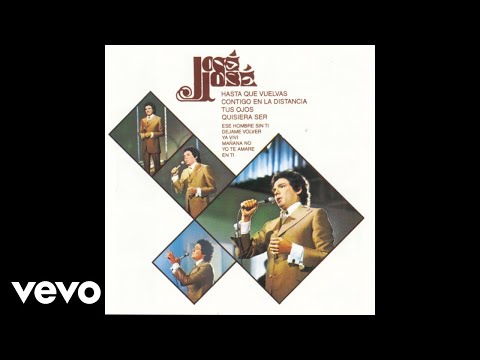
Ya Viví
José José

La Primera Vez
José José
Related Songs

Nadie Como Tú
Wisin & Yandel, Don Omar

Dile
Don Omar

Que Se Mueran
Romeo Santos

Me Gustas Tú
Manu Chao

Macarena

Ya no Somos ni Seremos
Christian Nodal

ALCOBA
Cris MJ, Clarent

Criminal
Natti Natasha, Ozuna

EXCESO DE PUTERÍA
l0rna, Kristina

TU SANCHO
Fuerza Regida

Pegao
Wisin & Yandel

GÁLDAR & AL GOLPITO
Quevedo, Tonny Tun Tun, Nueva Línea

La Guaracha (Oh Oh Oh)
Manuel Turizo, Martinwhite
Una chica está llorando
Los Acosta

Contra el dragón
Los Acosta

En algún lugar
LOS ACOSTA
En Aquel Café
Los Acosta

En Algún Lugar
Los Acosta

Ya Borré Tu Contacto
Los Acosta

YA BORRÉ TU CONTACTO
LOS ACOSTA