
Lyrics & Translation
Learn the beauty of Spanish romantic expressions through this classic ballad. By listening to how José José phrases terms of endearment and expresses deep emotion, you will improve your understanding of sentimental vocabulary and lyrical poetic structure in the Spanish language.
Key Vocabulary
| Vocabulary | Meanings |
|---|---|
|
todo ˈtoðo A1 |
|
|
siempre ˈsjempre A1 |
|
|
centro ˈsentɾo A2 |
|
|
corazón koɾaˈθon A1 |
|
|
habitarás aβitaˈɾas B2 |
|
|
vida ˈbiða A1 |
|
|
empieza emˈpjeθa A1 |
|
|
nuevo ˈnweβo A1 |
|
|
razón raˈθon A2 |
|
|
vivir biˈβiɾ A1 |
|
|
presentiste pɾesenˈtiste C1 |
|
|
llegada ʝeˈɣaða A2 |
|
|
rescataste reskaˈtaste B1 |
|
|
dolor doˈloɾ A2 |
|
|
tierra ˈtjeʁa A1 |
|
|
cielo ˈθjelo A1 |
|
|
milagro miˈlaɣɾo B2 |
|
Are there any new words in “Tú Eres Todo para Mí” you don’t know yet?
💡 Hint: todo, siempre… Jump into the app and start learning now!
Key Grammar Structures
-
Y para siempre lo serás
➔ Future tense (ser)
➔ The verb "serás" is the second-person singular future of 'ser'. It denotes an action that will continue in the future.
-
Mi corazón habitarás
➔ Transitive verb usage with direct object
➔ In poetic Spanish, "habitar" can function as a transitive verb, where "mi corazón" is the direct object being inhabited.
-
Yo siento que la vida empieza
➔ Subordinate clause with 'que'
➔ "Que la vida empieza" acts as the noun clause describing what the subject "yo" feels.
-
Más si algún dia me faltaras
➔ Conditional 'Si' clause with Imperfect Subjunctive
➔ The use of "faltaras" (imperfect subjunctive) sets up a hypothetical or unlikely future condition.
-
Ya no habría razón para vivir
➔ Conditional tense (habría)
➔ "Habría" is the conditional form of 'haber', showing a consequence of the previously mentioned hypothetical condition.
-
Tú presentiste mi llegada
➔ Preterite tense (Past simple)
➔ "Presentiste" refers to a completed action in the past.
-
Me rescataste del dolor
➔ Direct Object Pronoun (Me)
➔ "Me" is the direct object pronoun representing the person being rescued.
-
Aquí en la tierra tengo un cielo
➔ Locative phrase and verb of possession
➔ "Aquí en la tierra" sets the location, while "tengo" expresses possession in the first person singular.
Same Singer
Candy
José José
Amor de Discoteque
José José
Mientras Llueve
José José
Amándote
José José
Gotas de Fuego
José José
Buenos Días, Amor
José José
Sentimientos
José José
Mañana No
José José
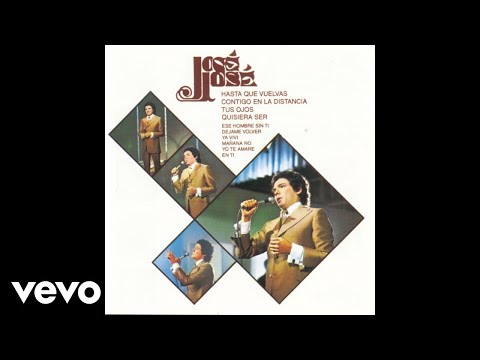
En Ti
José José
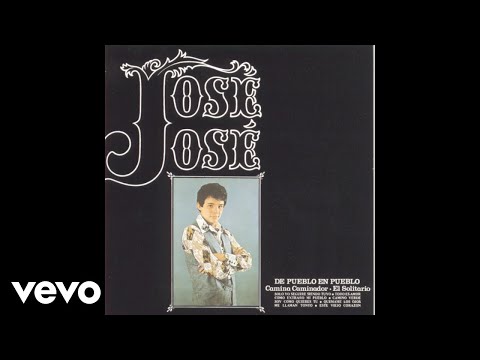
Sólo Yo Seguiré Siendo Tuyo
José José
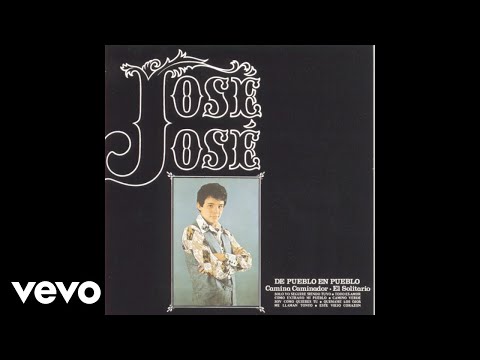
Soy Como Quieres Tú
José José
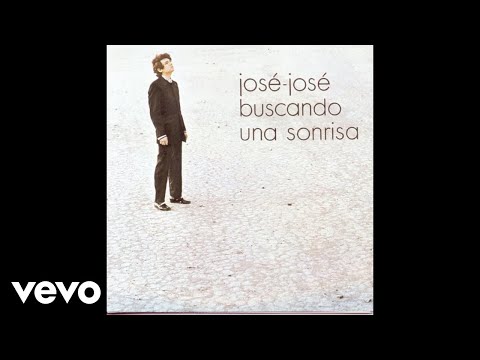
La Primera Vez
José José
La noche de los dos
José José
La Noche de los Dos
José José
Avalancha
José José
Si Alguien Me Dijera
José José
Presiento
José José
Será
José José
Ya Viví
José José
La Primera Vez
José José
Related Songs
Nadie Como Tú
Wisin & Yandel, Don Omar

Dile
Don Omar

Que Se Mueran
Romeo Santos

Me Gustas Tú
Manu Chao

Macarena

Ya no Somos ni Seremos
Christian Nodal

ALCOBA
Cris MJ, Clarent

Criminal
Natti Natasha, Ozuna
EXCESO DE PUTERÍA
l0rna, Kristina
TU SANCHO
Fuerza Regida

Pegao
Wisin & Yandel

GÁLDAR & AL GOLPITO
Quevedo, Tonny Tun Tun, Nueva Línea

La Guaracha (Oh Oh Oh)
Manuel Turizo, Martinwhite
Una chica está llorando
Los Acosta
Contra el dragón
Los Acosta
En algún lugar
LOS ACOSTA
En Aquel Café
Los Acosta
En Algún Lugar
Los Acosta

Ya Borré Tu Contacto
Los Acosta
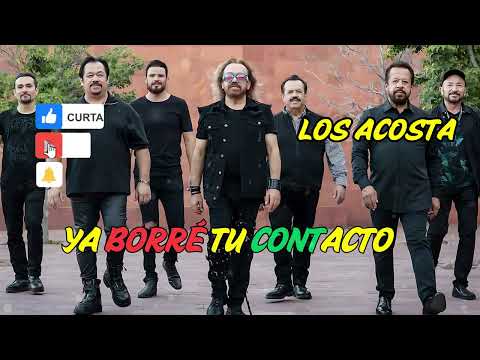
YA BORRÉ TU CONTACTO
LOS ACOSTA