
가사 및 번역
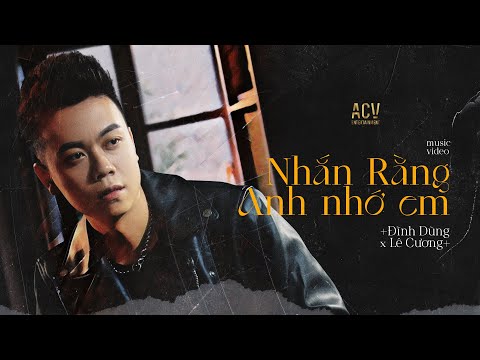
이 곡은 베트남어의 서정적 표현과 감정 흐름을 배우기에 최적의 발라드입니다. 꿈꿨던 사랑이 깨어나 부재의 고통을 느끼는 순간, 후회와 자책의 미묘한 뉘앙스를 따라가며 어휘와 억양, 발음을 자연스럽게 연습할 수 있습니다. 독특한 창작 배경과 이별의 현실 수용 메시지가 언어를 배우는 재미와 몰입감을 더합니다.
주요 어휘
| 어휘 | 의미 |
|---|---|
|
giấc mơ /zɨək moː/ B1 |
|
|
đẹp /ɗɛp/ A1 |
|
|
đau /ɗaːw/ A1 |
|
|
sầu /səw/ B2 |
|
|
nước mắt /nɨək˧˨˩ maːt/ A2 |
|
|
quay /kwaj˧˨˩/ A2 |
|
|
nhớ /ɲɤ˧˨˩/ A1 |
|
|
ấm /ʔəm/ A2 |
|
|
êm /ʔəm/ A2 |
|
|
tình /tĩːŋ/ B1 |
|
|
người /ŋɨəj˧˨˩/ A1 |
|
|
xa /saː/ A2 |
|
|
hận /hən/ B2 |
|
|
kìm /kɨm/ B2 |
|
|
quạnh /kwăːŋ/ C1 |
|
|
ước /ɨək/ B2 |
|
|
giữ /ziː/ A2 |
|
|
hiểu /hiəw˧˨˩/ A1 |
|
|
thấu /tʰăw˧˨˩/ C1 |
|
🧩 "Nhắn Rằng Anh Nhớ Em" 완전 해석 – 한 줄, 한 단어도 앱과 함께라면 쉽다!
💬 생소한 단어가 문제? 앱이 다 해결해줄게!
주요 문법 구조
-
Giấc mơ nào **có** em
➔ 조건절 (만약 ~이라면) 암시, 존재 동사
➔ 여기서 "có"를 사용하는 것은 화자가 꿈을 상상하고 "em"의 존재를 상상하는 상황을 암시합니다. 또한 "가지다" 또는 "있다"를 의미하는 존재 동사로 기능합니다.
-
Em **cũng** có quay về được đâu
➔ 강조 부사 (cũng) + 의문사 (đâu)
➔ "Cũng"은 em도 돌아올 수 없다는 생각을 강화하여, 화자의 욕망과 대조됩니다. "Đâu"는 의문사이며, em의 귀환 불가능성을 나타냅니다.
-
**Muốn** nhắn rằng "Nhớ em" **nhưng** lại thôi
➔ 조동사 (muốn) + 접속사 (nhưng)
➔ "Muốn"은 욕망을 표현합니다. "Nhưng"은 대조를 도입하여 자신의 감정을 표현하고 싶어하는 것과 자제하는 것 사이의 화자의 내적 갈등을 강조합니다.
-
Vì biết em giờ **ấm êm** tình nhân mới
➔ 형용사 (ấm êm)
➔ "Ấm êm"은 새로운 연인과 함께하는 em의 상태를 묘사하며, 편안함과 평화의 감각을 전달합니다.
-
Sợ họ biết sẽ **phiền** đến em
➔ 불편함 또는 문제를 나타내는 동사 (phiền)
➔ "Phiền"은 그의 행동이 em에게 불편함이나 문제를 일으킬 수 있다는 화자의 걱정을 의미합니다.
-
Chỉ biết **trách móc** bản thân
➔ 복합 동사 (trách móc)
➔ "Trách móc"은 "비난하다" 또는 "책망하다"를 의미하는 복합 동사입니다. 화자의 자기 비난을 강조합니다.
-
Giờ mới **ôm hận**...
➔ 복합 동사 (ôm hận)
➔ "Ôm hận"은 "원한을 품다" 또는 "원한을 품다"를 의미하는 복합 동사로, 후회를 나타냅니다.
-
Đêm xuống **cô quạnh**
➔ 형용사 (cô quạnh)
➔ "Cô quạnh"은 화자가 밤에 느끼는 고독과 고립을 묘사합니다.
-
Thầm **ước** nếu có thể quay về với ngày xưa
➔ 소망하는 동사 (ước)
➔ "Ước"은 소원이나 욕망을 표현하며, 과거에 대한 화자의 갈망을 강조합니다.
-
Sẽ **mãi** giữ người
➔ 시간 부사 (mãi)
➔ "Mãi"는 행동(사람을 지키는 것)의 지속 시간 또는 영속성을 강조하며, 관계가 영원히 지속되기를 바라는 것을 나타냅니다.
같은 가수
관련 노래
My Skin's On Fire
Loving Caliber
Don't You Wanna Stay
Loving Caliber
Those Eyes
New West

We Don't Talk Anymore
Charlie Puth, Selena Gomez

Monster
Shawn Mendes, Justin Bieber

Never Be the Same
Camila Cabello
The 30th
Billie Eilish

Ordinary
Alex Warren
Girls Wanna Have Fun
Josh Fawaz

Gimme Dat Love
(G)I-DLE
花咲く道
ME:I
未完成婚姻論
超学生, マサ
しおざきわんだーらんど
M!LK, 塩﨑太智

des fleurs
Tove Lo, Stromae
WOKE UP IN TOKYO
BABYMONSTER
No Promises
Shayne Ward

No promises
Shayne Ward
DREAMERS
Jungkook, Fahad Al Kubaisi

Em Mới Là Người Yêu Anh
MIN
Attention
Charlie Puth