
歌词与翻译
想通过音乐学习日语吗?《オトナブルー》不仅旋律抓耳,还蕴含丰富的口语表达、俏皮俚语和独特的发音技巧。通过这首歌,你可以练习青春期常用的情感词汇、日式流行文化的用语,并感受80年代电子流行的魅力。快来一起领略这首病毒舞曲的特别之处吧!
重点词汇
| 词汇 | 含义 |
|---|---|
|
唇 /くちびる/ A1 |
|
|
男 /おとこ/ A1 |
|
|
街 /まち/ A1 |
|
|
恋 /こい/ A2 |
|
|
期待 /きたい/ B1 |
|
|
焦がれる /こがれる/ B2 |
|
|
心 /こころ/ A2 |
|
|
夢 /ゆめ/ A2 |
|
|
言葉 /ことば/ B1 |
|
|
魅了 /みりょう/ B2 |
|
|
隠せない /かくせない/ B2 |
|
|
刺激 /しげき/ B2 |
|
|
残る /のこる/ B1 |
|
|
大人 /おとな/ A1 |
|
|
視線 /しせん/ B2 |
|
|
蕾 /つぼみ/ B2 |
|
重点语法结构
-
わかってる ほしいんでしょ?
➔ 句末助词 "でしょ"
➔ "でしょ" 是句末助词,用于寻求听者的确认或同意。类似于问 "对吧?" 或 "不是吗?"。
-
息を呑むほどに 甘い蜜
➔ 形容词的副词形式 + ほどに
➔ "ほどに" 表示某事物的程度或范围。在这里,"甘い" (amai - 甜) 变成 "甘く" (amaku),然后 "甘くほどに" 意味着 "甜到...的程度"。
-
ねえ何を期待してるの?
➔ 疑问助词 "の"
➔ 句末的 "の" 可以缓和问题或增加寻求解释的细微差别,通常由女性使用或在非正式场合使用。它增加了一种探究或好奇的感觉。
-
そのうちじゃなくて 今すぐがいいの
➔ 名词 + じゃなくて
➔ "じゃなくて" 意思是 "不是" 或 "代替"。它用于否定前面的名词并引入一个替代方案。在这里,它的意思是 "不是以后,而是现在"。
-
見た目よりも 残るあどけない
➔ 名词 + よりも
➔ "よりも" 意思是 "比...更" 或 "而不是"。它用于比较。在这里,它的意思是 "与其说是外表,不如说是残留的稚气"。
-
心で繋がりたくて
➔ 动词 (たい 形) + て
➔ "たい" 形表达了想要做某事的愿望。添加 "て" 会创建一个原因或理由。在这里,"繋がりたくて" (tsunagaritakute) 意味着 "因为我想连接"。
-
まだ見ぬ恋路を 追いかけて 追いかけて
➔ 动词 (ます 形词干) + かけて
➔ "かけて" 表示开始一个动作或做某事到一半。在这里,"追いかけて" (oikakete) 意味着 "追逐",重复它强调了追逐尚未见过的爱情之路的持续行动。
同一歌手

One Heart
ATARASHII GAKKO!
Omakase
ATARASHII GAKKO!

Change
ATARASHII GAKKO!
Fly High
ATARASHII GAKKO!
Toryanse
ATARASHII GAKKO!
Tokyo Calling
ATARASHII GAKKO!

Suki Lie
ATARASHII GAKKO!

じゃないんだよ
ATARASHII GAKKO!
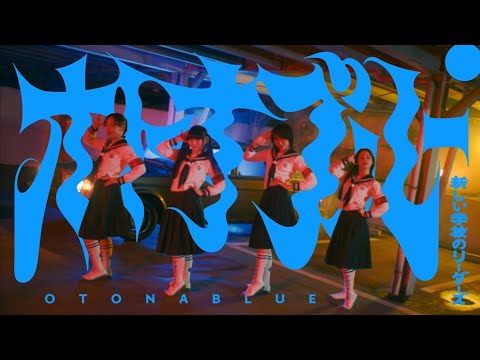
オトナブルー
ATARASHII GAKKO!
相关歌曲
My Skin's On Fire
Loving Caliber
Don't You Wanna Stay
Loving Caliber
Those Eyes
New West

We Don't Talk Anymore
Charlie Puth, Selena Gomez
Monster
Shawn Mendes, Justin Bieber

Never Be the Same
Camila Cabello
The 30th
Billie Eilish

Ordinary
Alex Warren
Girls Wanna Have Fun
Josh Fawaz

Gimme Dat Love
(G)I-DLE

花咲く道
ME:I

未完成婚姻論
超学生, マサ
しおざきわんだーらんど
M!LK, 塩﨑太智

des fleurs
Tove Lo, Stromae
WOKE UP IN TOKYO
BABYMONSTER
No Promises
Shayne Ward
No promises
Shayne Ward

DREAMERS
Jungkook, Fahad Al Kubaisi

Em Mới Là Người Yêu Anh
MIN

Attention
Charlie Puth