
Se Eu Te Perdoar – Paroles bilingues Portugais/Français
Paroles et Traduction
Vocabulaire clé
| Vocabulaire | Significations |
|---|---|
|
perdoar /peɾduˈaɾ/ A2 |
|
|
coração /koɾaˈsɐ̃w/ A1 |
|
|
machucado /maʃuˈkadu/ A2 |
|
|
sentimento /sẽtiˈmẽtu/ A2 |
|
|
álcool /ˈalkɔw/ A2 |
|
|
arrependimento /aʁəpẽdiˈmẽtu/ B1 |
|
|
atrasado /atɾazaˈdu/ A2 |
|
|
desculpa /desˈkulpa/ A1 |
|
|
peito /ˈpejtu/ A1 |
|
|
choro /ˈʃoɾu/ A2 |
|
|
vizinhos /viˈzĩnus/ A1 |
|
|
madruga /mɐˈdɾugɐ/ B1 |
|
|
dinheiro /dĩˈɲejɾu/ A1 |
|
|
bolso /ˈbolsu/ A2 |
|
|
long neck /lɐ̃w ˈnɛk/ B1 |
|
🧩 Décrypte "Se Eu Te Perdoar" – chaque mot devient clair avec l’app !
💬 Laisse pas les mots te bloquer – l’app s’occupe de tout !
Structures grammaticales clés
-
Joga uma taça no chão
➔ Mode Impératif (Informel)
➔ "Joga" est la forme impérative informelle de "jogar" (jeter) pour "você". Elle est utilisée pour donner un ordre ou faire une suggestion forte.
-
Me pede desculpa pra ver se ela vai colar os cacos do meu coração
➔ Proposition de but / Futur simple / Pronom d'objet indirect
➔ "pra ver se" (contraction de "para ver se") introduit une proposition de but signifiant "pour voir si" ou "pour savoir si". "vai colar" est au futur simple. "Me" est un pronom d'objet indirect.
-
Se eu te desculpar não vai curar tão fácil o machucado
➔ Phrase Conditionnelle Type 1 (Si + Subjonctif Futur, Futur)
➔ "Se eu te desculpar" utilise le subjonctif futur (ou le futur simple dans le langage informel) pour exprimer une condition susceptible de se produire. La conséquence "não vai curar" est au futur simple.
-
Meu sentimento foi por álcool abaixo
➔ Passé Simple (Pretérito Perfeito Simples) / Expression idiomatique
➔ "foi" est le passé simple (pretérito perfeito simples) de "ir" (aller). "por álcool abaixo" est une expression idiomatique signifiant que quelque chose a été ruiné ou perdu à cause de l'alcool.
-
Cê não vai ouvir da minha boca que tá perdoado
➔ Futur simple / Contraction / Voix passive (État)
➔ "Cê" est une contraction informelle courante de "você". "não vai ouvir" est le futur simple à la forme négative. "tá perdoado" (de "estar perdoado") utilise le verbe "estar" avec un participe passé pour exprimer un état résultant d'une action, fonctionnant comme une voix passive ou un état adjectival.
-
Não é pra mim que cê tem que pedir desculpa
➔ Structure emphatique ("É... que") / Obligation ("ter que")
➔ La structure "Não é... que" (ou "É... que") est une construction emphatique, similaire à "Ce n'est pas à moi que..." en français, utilisée pour mettre en évidence une partie spécifique de la phrase. "tem que" exprime l'obligation, signifiant "devoir" ou "il faut".
-
É pros vizinhos que eu acordei na madruga
➔ Structure emphatique ("É... que") / Contraction prépositionnelle
➔ "É pros vizinhos que" est une structure emphatique, mettant en évidence "pros vizinhos". "Pros" est une contraction de la préposition "para" (à/pour) et de l'article défini masculin pluriel "os" (les). "na madruga" est une contraction informelle de "na madrugada".
-
Com o som tremendo, o bairro todo
➔ Gérondif (comme élément descriptif)
➔ "tremendo" est la forme gérondive de "tremer" (trembler). Ici, il décrit l'état ou l'action du son, fonctionnant de manière similaire à un adjectif ou à une locution adverbiale, signifiant "avec le son qui tremble".
-
É pro dinheiro que eu gastei do bolso
➔ Structure emphatique ("É... que") / Contraction prépositionnelle / Proposition relative
➔ "É pro dinheiro que" est une structure emphatique. "Pro" est une contraction de "para" (à/pour) et de l'article défini masculin singulier "o" (le). "que eu gastei" est une proposition relative modifiant "dinheiro".
-
Se eu te perdoar, como que eu me perdoo?
➔ Phrase Conditionnelle Type 1 / Verbe Réfléchi
➔ "Se eu te perdoar" est la condition (subjonctif futur). "me perdoo" utilise le pronom réfléchi "me" avec le verbe "perdoar" (pardonner), signifiant "me pardonner moi-même".
Chansons similaires
Nadie Como Tú
Wisin & Yandel, Don Omar

Dile
Don Omar

Que Se Mueran
Romeo Santos

Me Gustas Tú
Manu Chao

Macarena

Ya no Somos ni Seremos
Christian Nodal

ALCOBA
Cris MJ, Clarent

Criminal
Natti Natasha, Ozuna

EXCESO DE PUTERÍA
l0rna, Kristina
TU SANCHO
Fuerza Regida
Pegao
Wisin & Yandel

GÁLDAR & AL GOLPITO
Quevedo, Tonny Tun Tun, Nueva Línea

La Guaracha (Oh Oh Oh)
Manuel Turizo, Martinwhite
Una chica está llorando
Los Acosta
Contra el dragón
Los Acosta
En algún lugar
LOS ACOSTA
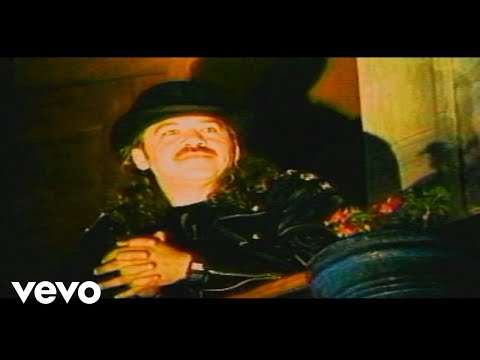
En Aquel Café
Los Acosta

En Algún Lugar
Los Acosta

Ya Borré Tu Contacto
Los Acosta
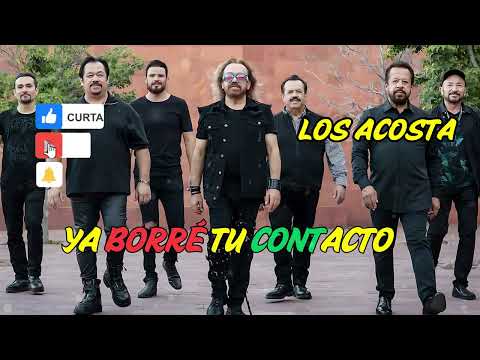
YA BORRÉ TU CONTACTO
LOS ACOSTA