
Lyrics & Translation
Dive into the heartfelt world of Brazilian Sertanejo with "Se Eu Te Perdoar" by Clayton e Romário, featuring Zé Felipe. This emotionally charged song offers a fantastic opportunity to explore Portuguese vocabulary related to love, heartbreak, and the intricate process of forgiveness. With its relatable theme and memorable lyrics, particularly the powerful question "Se eu te perdoar, como é que eu me perdoo?" (If I forgive you, how do I forgive myself?), you'll gain insight into common Brazilian expressions and cultural nuances surrounding relationships and reconciliation. The song's modern beat combined with traditional romantic elements makes it a special and engaging piece for language learners.
Key Vocabulary
| Vocabulary | Meanings |
|---|---|
|
perdoar /peɾduˈaɾ/ A2 |
|
|
coração /koɾaˈsɐ̃w/ A1 |
|
|
machucado /maʃuˈkadu/ A2 |
|
|
sentimento /sẽtiˈmẽtu/ A2 |
|
|
álcool /ˈalkɔw/ A2 |
|
|
arrependimento /aʁəpẽdiˈmẽtu/ B1 |
|
|
atrasado /atɾazaˈdu/ A2 |
|
|
desculpa /desˈkulpa/ A1 |
|
|
peito /ˈpejtu/ A1 |
|
|
choro /ˈʃoɾu/ A2 |
|
|
vizinhos /viˈzĩnus/ A1 |
|
|
madruga /mɐˈdɾugɐ/ B1 |
|
|
dinheiro /dĩˈɲejɾu/ A1 |
|
|
bolso /ˈbolsu/ A2 |
|
|
long neck /lɐ̃w ˈnɛk/ B1 |
|
🧩 Unlock "Se Eu Te Perdoar" – every sentence and word gets easier with the app!
💬 Don’t let tough words stop you – the app’s got your back!
Key Grammar Structures
-
Joga uma taça no chão
➔ Imperative Mood (Informal)
➔ "Joga" is the informal imperative form of "jogar" (to throw) for "você". It's used to give a command or make a strong suggestion.
-
Me pede desculpa pra ver se ela vai colar os cacos do meu coração
➔ Purpose Clause / Future Tense / Indirect Object Pronoun
➔ "pra ver se" (contraction of "para ver se") introduces a purpose clause meaning "to see if" or "to find out if". "vai colar" is the simple future tense. "Me" is an indirect object pronoun.
-
Se eu te desculpar não vai curar tão fácil o machucado
➔ Conditional Sentence Type 1 (If + Future Subjunctive, Future)
➔ "Se eu te desculpar" uses the future subjunctive (or simple future in informal speech) to express a condition that is likely to happen. The consequence "não vai curar" is in the simple future.
-
Meu sentimento foi por álcool abaixo
➔ Simple Past (Pretérito Perfeito Simples) / Idiomatic Expression
➔ "foi" is the simple past (pretérito perfeito simples) of "ir" (to go). "por álcool abaixo" is an idiomatic expression meaning something was ruined or lost due to alcohol.
-
Cê não vai ouvir da minha boca que tá perdoado
➔ Future Tense (Simple Future) / Contraction / Passive Voice (State)
➔ "Cê" is a common informal contraction of "você". "não vai ouvir" is the simple future tense in the negative. "tá perdoado" (from "estar perdoado") uses the verb "estar" with a past participle to express a state resulting from an action, functioning as a passive voice or adjectival state.
-
Não é pra mim que cê tem que pedir desculpa
➔ Emphatic Structure ("É... que") / Obligation ("ter que")
➔ The structure "Não é... que" (or "É... que") is an emphatic construction, similar to "It's not to me that..." in English, used to highlight a specific part of the sentence. "tem que" expresses obligation, meaning "have to" or "must".
-
É pros vizinhos que eu acordei na madruga
➔ Emphatic Structure ("É... que") / Prepositional Contraction
➔ "É pros vizinhos que" is an emphatic structure, highlighting "pros vizinhos". "Pros" is a contraction of the preposition "para" (to/for) and the masculine plural definite article "os" (the). "na madruga" is an informal contraction of "na madrugada".
-
Com o som tremendo, o bairro todo
➔ Gerund (as a descriptive element)
➔ "tremendo" is the gerund form of "tremer" (to shake/tremble). Here, it describes the state or action of the sound, functioning similarly to an adjective or an adverbial phrase, meaning "with the sound shaking".
-
É pro dinheiro que eu gastei do bolso
➔ Emphatic Structure ("É... que") / Prepositional Contraction / Relative Clause
➔ "É pro dinheiro que" is an emphatic structure. "Pro" is a contraction of "para" (to/for) and the masculine singular definite article "o" (the). "que eu gastei" is a relative clause modifying "dinheiro".
-
Se eu te perdoar, como que eu me perdoo?
➔ Conditional Sentence Type 1 / Reflexive Verb
➔ "Se eu te perdoar" is the condition (future subjunctive). "me perdoo" uses the reflexive pronoun "me" with the verb "perdoar" (to forgive), meaning "forgive myself".
Related Songs

Nadie Como Tú
Wisin & Yandel, Don Omar

Dile
Don Omar

Que Se Mueran
Romeo Santos

Me Gustas Tú
Manu Chao

Macarena

Ya no Somos ni Seremos
Christian Nodal

ALCOBA
Cris MJ, Clarent

Criminal
Natti Natasha, Ozuna

EXCESO DE PUTERÍA
l0rna, Kristina

TU SANCHO
Fuerza Regida

Pegao
Wisin & Yandel

GÁLDAR & AL GOLPITO
Quevedo, Tonny Tun Tun, Nueva Línea

La Guaracha (Oh Oh Oh)
Manuel Turizo, Martinwhite
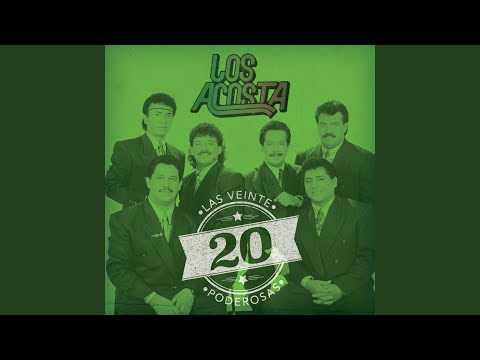
Una chica está llorando
Los Acosta
Contra el dragón
Los Acosta

En algún lugar
LOS ACOSTA
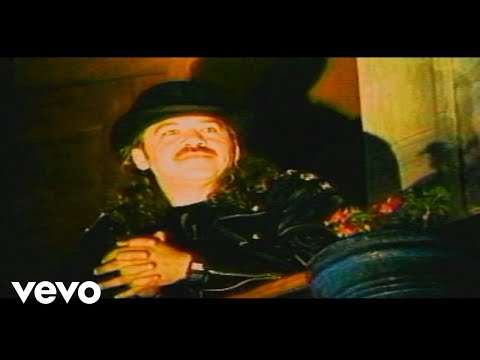
En Aquel Café
Los Acosta

En Algún Lugar
Los Acosta

Ya Borré Tu Contacto
Los Acosta
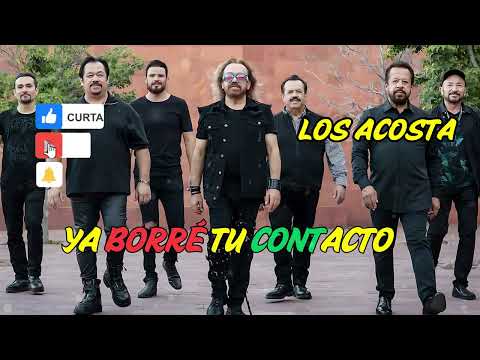
YA BORRÉ TU CONTACTO
LOS ACOSTA