
Letras e Tradução
Explore o inglês através desta emocionante canção que mistura vocabulário sobre relações familiares com expressões de sentimentos complexos. Aprenda estruturas narrativas poderosas enquanto descobre como uma melodia animada contrasta com letras melancólicas, revelando a genialidade lírica do Everclear para contar histórias universais de resiliência.
Vocabulário chave
| Vocabulário | Significados |
|---|---|
|
father /ˈfɑːðər/ A1 |
|
|
world /wɜːrld/ A1 |
|
|
eyes /aɪz/ A1 |
|
|
back /bæk/ A1 |
|
|
loved /lʌvd/ A2 |
|
|
walking /ˈwɔːkɪŋ/ A1 |
|
|
hand /hænd/ A1 |
|
|
life /laɪf/ A2 |
|
|
years /jɪərz/ A1 |
|
|
name /neɪm/ A1 |
|
|
children /ˈtʃɪldrən/ A1 |
|
|
wife /waɪf/ A1 |
|
|
safe /seɪf/ A2 |
|
|
grown /ɡroʊn/ A2 |
|
|
pain /peɪn/ B1 |
|
Você lembra o que significa “father” ou “world” em "Father Of Mine"?
Entre no app pra praticar agora – tem quiz, flashcards e pronúncia com nativos esperando por você!
Estruturas gramaticais chave
-
Tell me where have you been?
➔ Inversão em perguntas com orações subordinadas.
➔ A ordem normal das palavras para uma pergunta é "Have you been...?", mas como está incorporada em "Tell me", o sujeito e o verbo auxiliar invertem-se novamente *após* a parte "tell me". O correto seria "Tell me where you have been" se isso não fosse uma pergunta.
-
Back before you went away
➔ Uso de "before" como uma conjunção para indicar um tempo anterior a outro evento.
➔ "Before" introduz uma oração subordinada que aconteceu mais cedo no tempo. A frase "went away" implica abandono ou partida.
-
You had the world inside your hand, But you did not seem to know
➔ Uso do pretérito perfeito simples e contraste com "mas".
➔ A primeira parte da frase "You had the world inside your hand" utiliza o pretérito perfeito simples para descrever um estado de posse ou potencial. "But" introduz uma ideia contrastante, negando o potencial ao indicar uma falta de consciência. "did not seem to know" sugere uma falta de compreensão ou apreço.
-
Wasn't easy for me to be a scared white boy In a black neighborhood
➔ Uso da construção impessoal "it" com um adjetivo e uma oração infinitiva.
➔ A frase "It wasn't easy for me to be..." utiliza o pronome impessoal "it" para introduzir uma declaração geral. O sujeito real da oração é "to be a scared white boy in a black neighborhood". "for me" esclarece quem experimentou a dificuldade.
-
And I guess I never will
➔ Elipse (omissão) em frases ou orações condicionais; futuro
➔ A frase completa seria algo como "And I guess I never will understand you". As palavras 'understand you' são omitidas, pois são entendidas pelo contexto anterior.
-
Tell me how do you sleep?
➔ Formação de perguntas: Inversão do verbo auxiliar e do sujeito em perguntas diretas.
➔ O verbo auxiliar "do" é usado para formar a pergunta. O sujeito "you" segue o verbo auxiliar. Embora gramaticalmente correto, essa estrutura é menos comum com "how", a menos que enfatize a descrença ou surpresa. Mais naturalmente, "How do you sleep?"
-
With the children you abandoned And the wife I saw you beat
➔ Orações relativas sem pronomes relativos ("that", "which", "whom").
➔ Em "the children you abandoned", "you abandoned" modifica children, mas o pronome relativo é omitido. Da mesma forma, "the wife I saw you beat", "I saw you beat" é a oração relativa que modifica 'wife' com o pronome relativo omitido. Isso é muito comum, especialmente no inglês falado.
Mesmo Cantor
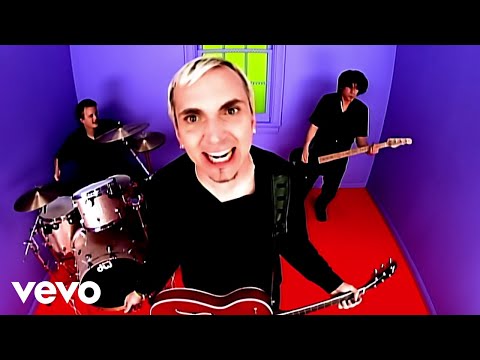
Músicas Relacionadas

No.7
Mrs. GREEN APPLE
パッチワーク・ヒーロー
緋八マナ
Molecular Gastronomy
Silica Gel

Eternal Summer
The Strokes

Not The Same Anymore
The Strokes

Ode To The Mets
The Strokes
What Ever Happened?
The Strokes
Between Love & Hate
The Strokes
Meet Me in the Bathroom
The Strokes
Under Control
The Strokes
The Way It Is
The Strokes
I Can't Win
The Strokes
You Talk Way Too Much
The Strokes

Dead Man Walking
Against The Current

House of Memories
Panic! At The Disco
どうしてもどうしても
back number

C.U.R.I.O.S.I.T.Y.
ONE OK ROCK

Whiskey in the Jar
Metallica

Sunset
Nerd Connection

Beggin'
Måneskin