
Lyrics & Translation
Dive into the vibrant world of Japanese music with E-girls' electrifying hit, "Dance Dance Dance"! This song is a fantastic way to experience modern J-pop with a twist of funk and disco. You can pick up on dynamic vocabulary related to movement, energy, and freedom, as the lyrics are all about letting go and dancing without inhibition. Its catchy beat and clear vocal delivery make it perfect for listening practice, and understanding the song's emphasis on dance will open your ears to the nuances of performance-focused Japanese pop culture. Listen for phrases that encourage action and celebrate joy through rhythm, and you'll find yourself not only enjoying the music but also learning some expressive Japanese along the way.
Key Vocabulary
| Vocabulary | Meanings |
|---|---|
|
dance /dæns/ A1 |
|
|
energy /ˈɛnərdʒi/ B1 |
|
|
attention /əˈtɛnʃən/ B1 |
|
|
crazy /ˈkreɪzi/ A2 |
|
|
free /friː/ A2 |
|
|
body /ˈbɒdi/ A1 |
|
|
move /muːv/ A1 |
|
|
groove /ɡruːv/ B2 |
|
|
feel /fiːl/ A2 |
|
|
music /ˈmjuːzɪk/ A1 |
|
|
hot /hɒt/ A1 |
|
|
sexy /ˈsɛksi/ B1 |
|
|
最高 /saikō/ A2 |
|
|
just /dʒʌst/ A1 |
|
💡 Which new word in “Dance Dance Dance” caught your eye?
📱 Open the app to check meanings, build sentences, and try them out in real convos!
Key Grammar Structures
-
C’mon let me Dance
➔ Imperative + Let me + verb
➔ The phrase uses the imperative form "C’mon" and "let me" to encourage or invite someone to perform an action, in this case, "Dance."
-
Feel the beat and dance
➔ Imperative + noun + and + verb
➔ An instruction in the imperative mood telling someone to "feel" the music's "beat" and then "dance," emphasizing sensory experience and action.
-
呼び覚ましてみるの
➔ Causative + verb + の (nominalizer)
➔ The phrase uses a causative structure to express "trying" or "attempting" to "rekindle" a feeling from the past, with the nominalizer "の" turning the verb into a noun phrase.
-
絶対に No No No
➔ Negative emphasis with double "No" for strong negation
➔ Repetition of "No" emphasizes strong negation or rejection, often used in songs for emotional impact.
-
ルールなんてない
➔ Noun + なんてない (nan te nai) = There is no such thing as
➔ The phrase uses "なんてない" to negate the existence of "rules," emphasizing freedom from restrictions.
-
自分らしく ありのままに
➔ Adjective/adverb + らしく + ありのままに (as it is)
➔ The phrase encourages being oneself naturally and authentically.
Album: 14thシングル


Same Singer

Pain, pain
E-girls
あいしてると言ってよかった
E-girls

北風と太陽
E-girls

Love ☆ Queen
E-girls
All Day Long Lady
E-girls
Go! Go! Let's Go!
E-girls

Pink Champagne
E-girls

E.G. summer RIDER
E-girls
STRAWBERRY サディスティック
E-girls
DANCE WITH ME NOW!
E-girls
Merry × Merry Xmas★
E-girls
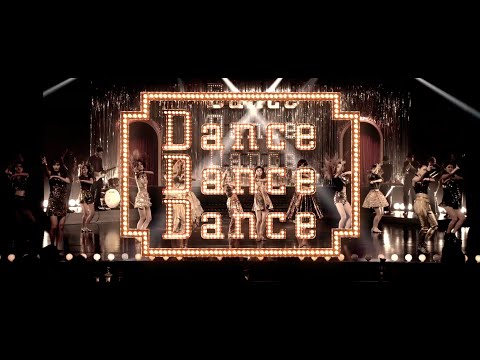
Dance Dance Dance
E-girls

Anniversary!!
E-girls

Move It!
Dream, E-girls
Highschool ♡ love
E-girls
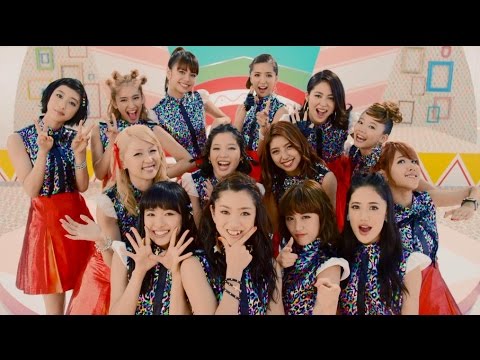
おどるポンポコリン
E-girls
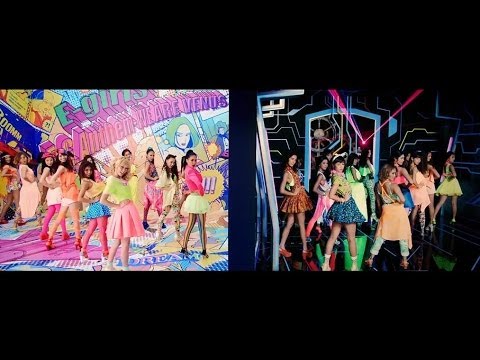
E.G. Anthem -WE ARE VENUS-
E-girls

RYDEEN
E-girls
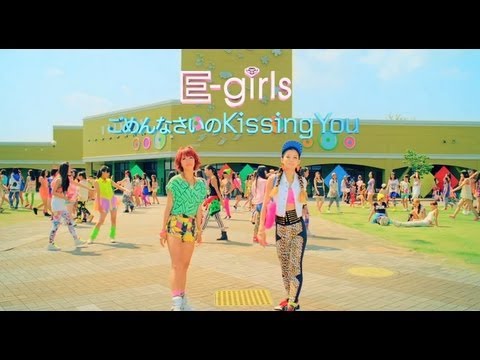
ごめんなさいのKissing You
E-girls

CANDY SMILE
e-girls
Related Songs

Rhythm Divine
Enrique Iglesias

Best Friend
Sofia Camara

Before The Light Goes
Melody Blush

Babydoll
Dominic Fike

Nevada
Vicetone, Cozi Zuehlsdorff

Nevada
Vicetone, Cozi Zuehlsdorff

Kings & Queens
Ava Max
Fake Happy
Paramore

Hard To Love
ROSÉ

¿Cómo Así?
Kali Uchis

Diosa
Kali Uchis

Te Mata
Kali Uchis

Dame Beso // Muévete
Kali Uchis

La Chica de Humo
Emmanuel

Just The Way You Are
Milky

Stay
Zedd, Alessia Cara

Perfect
Ed Sheeran

Girls Like You
Maroon 5, Cardi B

Shape of You
Ed Sheeran

Nothing's Gonna Change My Love For You
Isaac Hong, Park Jeong Woo