
歌詞と翻訳
主要な語彙
| 語彙 | 意味 |
|---|---|
|
masterclass /ˈmɑːstər.klæs/ B2 |
|
|
attachons /a.ta.ʃɔ̃/ B1 |
|
|
aristocrate /a.ʁis.tɔ.kʁat/ B2 |
|
|
affole /a.fɔl/ B1 |
|
|
carré d'as /ka.ʁe d‿as/ C1 |
|
|
mojito /mo.xi.to/ A2 |
|
|
médiatisés /me.dja.ti.ze/ C1 |
|
|
incognito /ɛ̃.kɔɲ.ni.to/ B2 |
|
|
sombreros /sɔ̃.bʁe.ʁo/ A2 |
|
|
mielleuse /mjɛ.zøz/ C1 |
|
|
rodave /ʁo.dav/ C2 |
|
|
corazón /ko.ɾa.ˈθon/ A2 |
|
|
mélo /me.lo/ B1 |
|
|
glaçons /ɡla.sɔ̃/ A2 |
|
“masterclass、attachons、aristocrate” – 全部わかった?
⚡ 「MASTERCLASS」を聴いた後に、アプリで単語トレーニングして定着させよう!
主要な文法構造
-
Ce soir, c'est comment
➔ 時間表現の後に使われる系動詞: 'ce soir' の後に 'c'est' を置き、文を提示します。
➔ "c'est" は "ce est" の縮約形で、時間表現の後に続く事柄を導入します。
-
Ce soir, c'est nous la masterclass
➔ 強調代名詞 'nous' と名詞句 'la masterclass' を用いて主語を強調します。
➔ "c'est" に強調代名詞と名詞句をつけることで、 identity や役割を強調する表現です。
-
Elle s'affole, elle m'appelle
➔ 反身動詞 's'affoler' と動詞 'appelle' の前の代名詞 'm''。
➔ "s'affoler" は再帰動詞で、主語が 'Elle'、'm'' は目的語代名詞として前に付く。
-
C'est rare de m'avoir comme carré d'as
➔ 'rare' の後ろに 'de' + 不定詞を取る構文。
➔ 形容詞の後ろに 'de' + 不定詞を置くことで、動作の稀少性を表します。
-
Tout ce que t'as de plus beau
➔ "Tout ce que" は関係節を導く表現; 't'as' は口語の 'tu as'。
➔ "Tout ce que" は、あなたが持っているすべてを説明する関係節を導く。 't'as' は口語表現の 'tu as'。
-
Pour toi j'ai tout ce qu'il faut
➔ 'il faut' は人称を持たない形式で、必要なすべてを意味します。
➔ "il faut" は無人称の主語で、'tout ce qu'il faut' は必要な全てを意味します。
-
Amie na nga, ressers-moi un mojito
➔ 命令法で代名詞を動詞の後ろに付ける形。 'ressers-moi'。
➔ "ressers-moi" は、動詞に付着した祈願法の形で、動詞+ハイフン+代名詞の順です。
-
On est médiatisés
➔ 'médiatisés' は形容詞的に使われた過去分詞で、主語の状態を表します。
➔ "médiatisés" は 'être' の後に形容詞として使われる過去分詞です。
-
On passe pas incognito
➔ 口語的な否定: 'ne' が省略されて 'pas' だけになることが多い。
➔ 否定を表す助詞 'pas'。話し言葉では "ne" が省略されることが多い。
-
Appelle le boss, qu'il nous remette des glaçons
➔ 命令の後に接続詞 'que' で導かれる従属節で接続法を用いる: 'qu'il nous remette'。
➔ "qu'il" は従属節を導き、動詞 'remette' は接続法で表現されます。
同じ歌手



関連曲

Ganja
YoungBoy Never Broke Again

You Can't Run From Me
Rico Nasty

met me sooner
TopOppGen, Fattmack
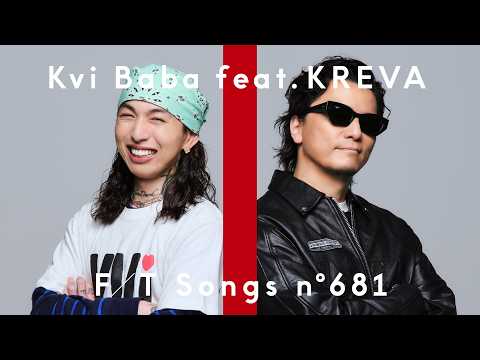
BPM
Kvi Baba, KREVA

Inpatient
Ren, Chris Webby
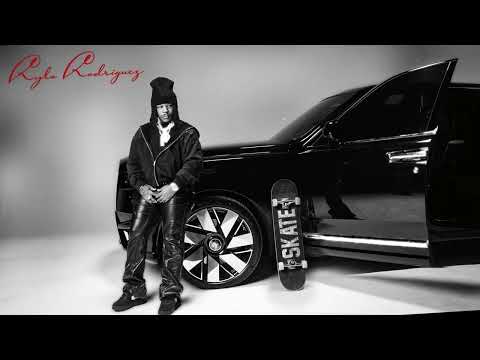
Neighborhood Starz
Rylo Rodriguez, Lil Baby, Kevin Gates

EX
P1Harmony

IDGAF
BoyWithUke, Blackbear

Us In The USA
Tom MacDonald
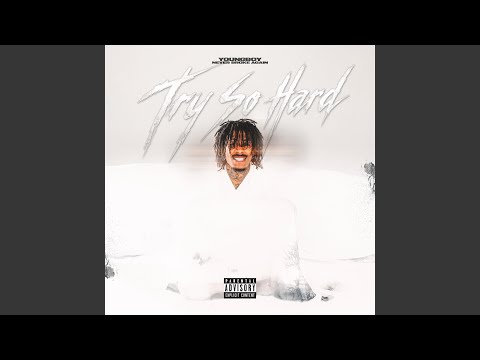
Try So Hard
Never Broke Again, YoungBoy Never Broke Again

Plays Of The Week
BossMan Dlow

wedidit
Ken Carson, Playboi Carti

ALCOBA
Cris MJ, Clarent
Lockdown
Marnz Malone, Sus
How Many Drinks?
Miguel, Kendrick Lamar

未完成婚姻論
超学生, マサ

4Life
Kris R
FR DZ
VEN1
WOKE UP IN TOKYO
BABYMONSTER

Know me
GEMINI