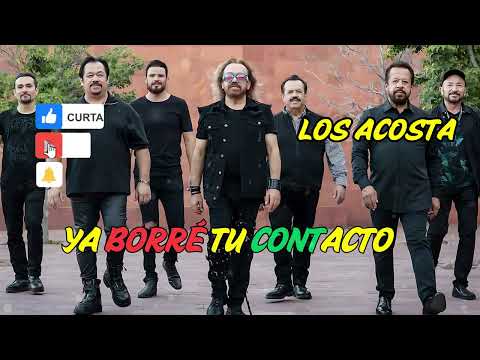
Display Bilingual:

Separados 00:21
Hoy estamos 00:25
No cumpliste tus promesas 00:30
De amarnos 00:34
Recuerdos 00:39
Que me sangran 00:43
Toda el alma 00:47
Tu presencia me hace falta 00:50
Vuelve 00:56
Ya no me hagas llorar 01:00
No es igual 01:04
Si tú no estás 01:08
Vuelve 01:14
Que todo es soledad 01:17
Alumbra mi sendero 01:22
No quiero oscuridad 01:27
01:32
Separados 01:51
Cómo extraños 01:56
Mis sentimientos vi rodar 02:01
Con tu partida 02:05
Vuelve 02:10
Ya no me hagas llorar 02:13
No es igual 02:18
Si tú no estás 02:22
Vuelve 02:27
Que todo es soledad 02:31
Alumbra mi sendero 02:36
No quiero oscuridad 02:40
02:43

Separados – Bilingual Lyrics Spanish/English

💡 "Separados" is packed with cool phrases waiting for you in the app!
By
Los Acosta
Album
Album de Oro
Viewed
33,087,627
Language
Learn this song

Lyrics & Translation

Dive into the poignant world of Los Acosta's "Separados"! This iconic ballad is a perfect entry point for learning Spanish through music, offering rich vocabulary related to emotions, love, and loss. Its clear, evocative lyrics and classic romantic style make it special, allowing learners to connect deeply with the language through its universal themes of heartbreak and longing. Discover the beauty of Spanish expression through this unforgettable song.

[English]
Apart
Today we are
You didn’t keep your promises
To love each other
Memories
That bleed me
Deep in my soul
I miss your presence
Come back
Don’t make me cry anymore
It’s not the same
If you’re not here
Come back
Everything is loneliness
Light up my path
I don’t want darkness
...
Apart
Like strangers
I saw my feelings roll away
With your departure
Come back
Don’t make me cry anymore
It’s not the same
If you’re not here
Come back
Everything is loneliness
Light up my path
I don’t want darkness
...
[Spanish] Show

Key Vocabulary

Start Practicing
Vocabulary Meanings

separados

/sepaˈɾaðos/

B1
  • adjective
  • - separated or apart (as in a couple no longer together)

promesa

/pɾoˈmesa/

A2
  • noun
  • - a pledge or commitment to do something

amar

/aˈmaɾ/

A2
  • verb
  • - to love deeply or have affection for

recuerdo

/reˈkueɾðo/

A2
  • noun
  • - memory or recollection of something

alma

/ˈalma/

B1
  • noun
  • - soul or inner spirit of a person

presencia

/pɾeˈsenθja/

B1
  • noun
  • - the state of being present or near

volver

/bolˈbeɾ/

A2
  • verb
  • - to return or come back

llorar

/ʎoˈɾaɾ/

A2
  • verb
  • - to cry or shed tears

igual

/iˈɣwal/

A2
  • adjective
  • - equal, the same

soledad

/soleˈðað/

B1
  • noun
  • - loneliness or solitude

alumbrar

/alumˈbɾaɾ/

B2
  • verb
  • - to illuminate or give light to

sendero

/senˈdeɾo/

B2
  • noun
  • - path or trail, often metaphorical

oscuro

/osˈkuɾo/

A2
  • adjective
  • - dark or lacking light

extraño

/esˈtɾaɲo/

B1
  • adjective
  • - strange or unfamiliar
  • noun
  • - a stranger, someone unknown

partida

/paɾˈtiða/

B1
  • noun
  • - departure or act of leaving

Are there any new words in “Separados” you don’t know yet?

💡 Hint: separados, promesa… Jump into the app and start learning now!

Key Grammar Structures

  • No cumpliste tus promesas

    ➔ Preterite tense of 'cumplir'

    ➔ The word 'cumpliste' shows a completed past action — 'you did not keep your promises.'

  • Tu presencia me hace falta

    ➔ Expression with 'hacer falta' (necessity/absence construction)

    ➔ 'Me hace falta' literally means 'it makes me lack' — a way to say 'I miss you' or 'I need you.'

  • Ya no me hagas llorar

    ➔ Negative imperative with pronoun placement

    ➔ In Spanish, pronouns appear before the verb in negative imperatives, as in 'no me hagas' ('don’t make me').

  • Si tú no estás

    ➔ Conditional clause with 'si'

    ➔ 'Si tú no estás' means 'if you are not here' — a present real conditional expressing emotional dependency.

  • Que todo es soledad

    ➔ Subordinate clause starting with 'que'

    ➔ The word 'que' introduces a subordinate or explanatory clause — 'that everything is loneliness.'

  • Alumbra mi sendero

    ➔ Affirmative imperative form

    ➔ 'Alumbra' is an imperative form addressed to 'tú', meaning 'light up my path' — a plea or request.

  • No quiero oscuridad

    ➔ Simple present with negation

    ➔ The phrase 'no quiero' expresses refusal or rejection in the present — 'I don’t want darkness.'

  • Mis sentimientos vi rodar

    ➔ Preterite tense with infinitive complement

    ➔ The verb 'vi' (I saw) takes the infinitive 'rodar' (to roll), forming a perception verb structure: 'I saw my feelings roll away.'