
가사 및 번역
주요 어휘
| 어휘 | 의미 |
|---|---|
|
sunrise /ˈsʌn.raɪz/ A2 |
|
|
pain /peɪn/ A2 |
|
|
way /weɪ/ A1 |
|
|
start /stɑːrt/ A1 |
|
|
form /fɔːrm/ B1 |
|
|
believe /bɪˈliːv/ B1 |
|
|
dream /driːm/ B1 |
|
|
light /laɪt/ A2 |
|
|
memory /ˈmɛm.ər.i/ B2 |
|
|
world /wɜːrld/ A1 |
|
|
value /ˈvæl.juː/ B2 |
|
|
end /ɛnd/ A1 |
|
|
change /tʃeɪndʒ/ A2 |
|
주요 문법 구조
-
Let's start from zero, another way
➔ 'Let's' + 원형 동사로 제안 또는 명령
➔ 'Let's'은 'let us'의 축약형으로, 제안이나 권유를 나타낼 때 사용됩니다.
-
Find the way, go to the end the world
➔ 원형 동사를 사용한 명령문
➔ 명령문은 동사의 원형을 사용하여 명령이나 요청, 제안을 나타낸다.
-
We can go anywhere we want
➔ 조동사 'can' + 동사 원형으로 가능성 또는 능력을 표현
➔ 'can'은 능력, 가능성 또는 허가를 나타내는 조동사이다.
-
The night is long / I'll never find the day
➔ 'be' + 형용사로 상태를 나타내고, 'will' + 동사 원형으로 미래의 의지를 나타냄
➔ 'be' + 형용사는 상태를 묘사하고, 'will' + 동사는 미래의 의사나 약속을 나타낸다.
-
自分の価値は誰が決める?
➔ 의문문에서 '누가' + 동사 '결정하다' 사용
➔ '누가'는 질문에서 동작을 수행하는 주어를 나타낸다.
-
この世は変わる 世界の終わりで
➔ 'は'는 주제 조사; '変わる'는 자동사로 현재 또는 미래 시제
➔ 'は'는 주제 조사; '変わる'는 자동사로 현재 또는 미래 시제에 사용됨.
Album: 起死回生
같은 가수
관련 노래
My Skin's On Fire
Loving Caliber
Don't You Wanna Stay
Loving Caliber
Those Eyes
New West

We Don't Talk Anymore
Charlie Puth, Selena Gomez
Monster
Shawn Mendes, Justin Bieber

Never Be the Same
Camila Cabello
The 30th
Billie Eilish

Ordinary
Alex Warren
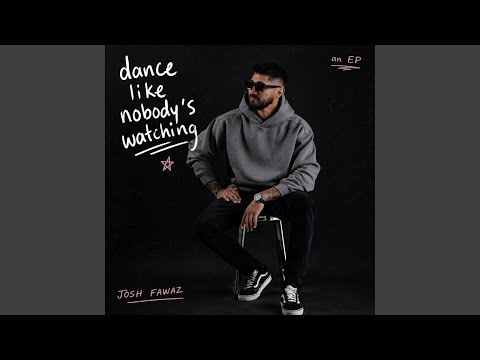
Girls Wanna Have Fun
Josh Fawaz

Gimme Dat Love
(G)I-DLE
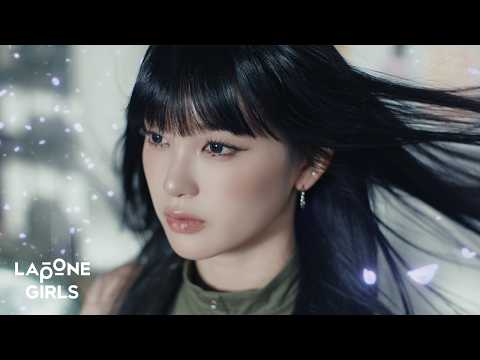
花咲く道
ME:I
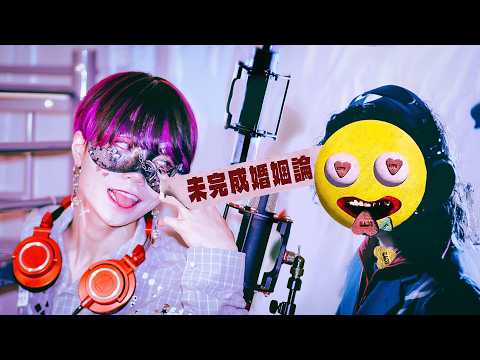
未完成婚姻論
超学生, マサ
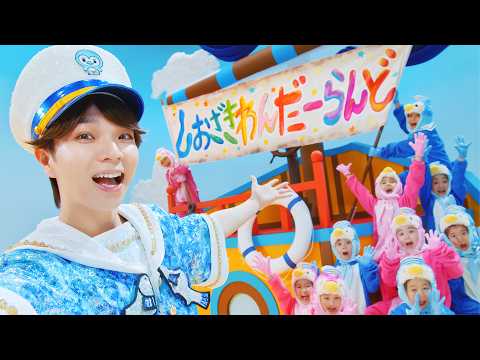
しおざきわんだーらんど
M!LK, 塩﨑太智

des fleurs
Tove Lo, Stromae
WOKE UP IN TOKYO
BABYMONSTER
No Promises
Shayne Ward
No promises
Shayne Ward
DREAMERS
Jungkook, Fahad Al Kubaisi

Em Mới Là Người Yêu Anh
MIN
Attention
Charlie Puth