
Lyrics & Bản dịch
Khám phá ngôn ngữ nghệ thuật đa tầng trong 'Mephisto' - bài hát Nhật Bản pha trộn ẩn dụ văn học Faust với từ vựng đa sắc thái về đam mê và đánh đổi. Học tiếng Nhật qua ca từ giàu hình tượng 'ngôi sao', cách diễn đạt nghịch lý 'lời nói dối là tình yêu', cùng kỹ thuật vocal mãn nhãn từ Avu-chan đã chinh phục 10 triệu views trên THE FIRST TAKE.
Từ vựng cần lưu ý
| Từ vựng | Nghĩa |
|---|---|
|
チャンス /tɕaɳsɯ/ B1 |
|
|
星 /hoɕi/ A2 |
|
|
涙 /namida/ B1 |
|
|
命 /inochi/ B2 |
|
|
愛 /ai/ A2 |
|
|
光 /hikari/ A2 |
|
|
願い /negai/ B1 |
|
|
悲しい /kanashii/ B1 |
|
|
逃がす /nigasu/ B2 |
|
|
高 /taka/ A2 |
|
|
底なし /sokonashi/ B2 |
|
|
憧れ /akogare/ B2 |
|
|
命を賭ける /inochi o kakeru/ C1 |
|
|
砕け /kudake/ B2 |
|
Bạn đã nhớ nghĩa của “チャンス” hay “星” trong bài "メフィスト" chưa?
Vào app để luyện tập ngay – có quiz, flashcard và phát âm chuẩn giọng bản xứ đang chờ bạn đấy!
Cấu trúc ngữ pháp nổi bật
-
飢えたつま先が踊り出す
➔ Sử dụng hạt "が" để đánh dấu chủ ngữ của động từ "踊り出す" (bắt đầu nhảy).
➔ "が" là một trợ từ chỉ chủ thể, nhấn mạnh người thực hiện hành động.
-
この夜空
➔ Sử dụng "この" (này) làm tính từ chỉ định để mô tả "夜空" (bầu trời đêm).
➔ "この" có nghĩa là "này", chỉ rõ bầu trời đêm đang đề cập đến.
-
浮かぶ涙と汗は血の名残り
➔ Dùng "と" để liên kết các danh từ "涙" (nước mắt) và "汗" (mồ hôi), với "は" làm chủ đề.
➔ "と" là liên từ liên kết các danh từ, và "は" đánh dấu chủ đề của câu.
-
生まれつきだってば底なし
➔ Sử dụng "だって" để nhấn mạnh khẳng định "sinh ra từ lúc bắt đầu"; "ば" như một kết thúc nhấn mạnh thân mật.
➔ "だって" nhấn mạnh phát biểu, thể hiện xác nhận mạnh mẽ, còn "ば" thêm nhấn mạnh thân mật hay trong cách nói thường.
-
わたしが命を賭けるから
➔ Sử dụng "が" để đánh dấu "わたし" làm chủ ngữ, và "から" để thể hiện nguyên nhân (bởi vì tôi sẽ cược mạng sống của mình).
➔ "が" đánh dấu chủ ngữ "わたし" (tôi) và "から" thể hiện lý do hoặc nguyên nhân của hành động.
-
星に願いをかけて
➔ Động từ "かけて" dạng te của "かける" nghĩa là gửi gắm hoặc cầu mong, với "に" đánh dấu "星" (ngôi sao) làm mục tiêu.
➔ Dạng te "かけて" được dùng để nối các hành động, ở đây là gửi gắm điều ước tới ngôi sao được đánh dấu bằng "に".
Album: New Single「メフィスト」
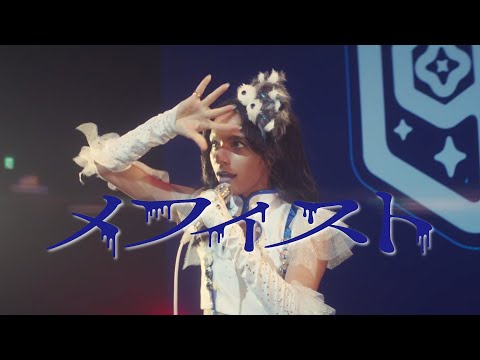
メフィスト
女王蜂
逆夢
King Gnu

KING BITCH
女王蜂

BOY
King Gnu

YEAH!! YEAH!! YEAH!!
EXILE THE SECOND
クロノグラフ
SKY-HI
Cùng ca sĩ

強火
女王蜂

紫
女王蜂

首のない天使
女王蜂

01
女王蜂
メフィスト
女王蜂

MYSTERIOUS
女王蜂
犬姫
女王蜂
KING BITCH
女王蜂

火炎(FLAME)
女王蜂

夜天
女王蜂

P R I D E
女王蜂
BL
女王蜂

Introduction
女王蜂

火炎
女王蜂
Bài hát liên quan

Told You So
Paramore

Forgiveness
Paramore

Fake Happy
Paramore

26
Paramore

Pool
Paramore

Grudges
Paramore

Idle Worship
Paramore

No Friend
Paramore

Tell Me How
Paramore

Caught in the Middle
Paramore

Ignorance
Paramore

Playing God
Paramore

Turn It Off
Paramore

Feeling Sorry
Paramore

Where The Lines Overlap
Paramore

Careful
Paramore

Looking Up
Paramore

Misguided Ghosts
Paramore

Misguided Ghosts
Paramore

Hotel California
Eagles