Lyrics & Translation
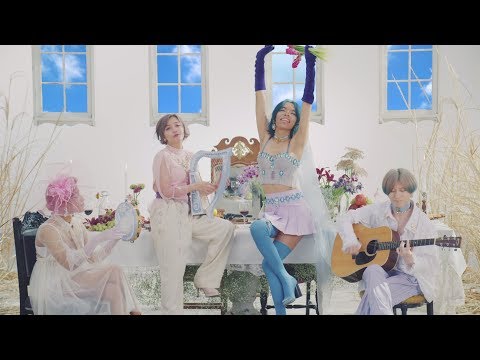
Embark on a captivating linguistic journey with Queen Bee's "Mephisto," a powerful and emotionally charged rock anthem that served as the ending theme for the hit anime "Oshi no Ko." This song offers a unique opportunity to immerse yourself in Japanese, featuring rich, metaphorical lyrics that explore themes of truth, lies, and intense dedication. Its dynamic vocal range and compelling narrative make it an exceptional piece for understanding nuanced Japanese expressions and the depth of contemporary Japanese music. Learning the lyrics of "Mephisto" will not only enhance your vocabulary but also give you insight into the cultural resonance of storytelling through song.
Key Vocabulary
| Vocabulary | Meanings |
|---|---|
|
チャンス /tɕaɳsɯ/ B1 |
|
|
星 /hoɕi/ A2 |
|
|
涙 /namida/ B1 |
|
|
命 /inochi/ B2 |
|
|
愛 /ai/ A2 |
|
|
光 /hikari/ A2 |
|
|
願い /negai/ B1 |
|
|
悲しい /kanashii/ B1 |
|
|
逃がす /nigasu/ B2 |
|
|
高 /taka/ A2 |
|
|
底なし /sokonashi/ B2 |
|
|
憧れ /akogare/ B2 |
|
|
命を賭ける /inochi o kakeru/ C1 |
|
|
砕け /kudake/ B2 |
|
🧩 Unlock "メフィスト" – every sentence and word gets easier with the app!
💬 Don’t let tough words stop you – the app’s got your back!
Key Grammar Structures
-
飢えたつま先が踊り出す
➔ The use of the contextually implied 'subject' particle "が" to mark the subject of the verb "踊り出す" (starts dancing).
➔ The particle "が" indicates the subject of the verb, emphasizing who is performing the action.
-
この夜空
➔ Use of "この" (this) as a demonstrative adjective modifying "夜空" (night sky).
➔ "この" is a demonstrative adjective meaning "this," specifying which night sky is being referred to.
-
浮かぶ涙と汗は血の名残り
➔ Use of "と" to connect multiple nouns "涙" (tears) and "汗" (sweat), and "は" as the topic marker.
➔ "と" is a coordinating conjunction used to connect nouns, and "は" marks the topic of the sentence.
-
生まれつきだってば底なし
➔ Use of "だって" to emphasize the assertion "birth from the beginning"; "ば" as a colloquial emphatic ending.
➔ "だって" emphasizes the statement, indicating strong certainty or assertion, while "ば" adds colloquial emphasis.
-
わたしが命を賭けるから
➔ Use of "が" to mark "わたし" as the subject, and "から" to indicate reason or cause (because I will stake my life).
➔ "が" marks the subject "わたし" (I) and "から" indicates the reason or cause of the action.
-
星に願いをかけて
➔ Verb "かけて" in the te-form of "かける" meaning to cast or make a wish, with "に" marking "星" (star) as the target.
➔ The te-form "かけて" is used to link actions, here meaning to make a wish directed at the star marked by "に".
Album: New Single「メフィスト」
メフィスト
女王蜂
逆夢
King Gnu

KING BITCH
女王蜂
BOY
King Gnu

YEAH!! YEAH!! YEAH!!
EXILE THE SECOND
クロノグラフ
SKY-HI
Same Singer
強火
女王蜂
紫
女王蜂
首のない天使
女王蜂
01
女王蜂
メフィスト
女王蜂

MYSTERIOUS
女王蜂
犬姫
女王蜂
KING BITCH
女王蜂
火炎(FLAME)
女王蜂
夜天
女王蜂
P R I D E
女王蜂
BL
女王蜂
Introduction
女王蜂

火炎
女王蜂
Related Songs
'Cause I'm A Man
Tame Impala
Disciples
Tame Impala
The Moment
Tame Impala
Memory Lane
Tokio Hotel
If I'm There
Bad Omens
On the Beach
Chris Rea
The Reason
Hoobastank
Zombie
The Cranberries
衝動Never end
B&ZAI
催し
大森元貴
Contigo Sin Ti
Saratoga
No Good (Attack the Radical)
Pantera
Your New Boyfriend
Wilbur Soot
クライマックス
SUPER BEAVER
イデアが溢れて眠れない
Vaundy
Under Cover Of Darkness
The Strokes
You're So Right
The Strokes
Call Me Back
The Strokes
Metabolism
The Strokes
Dragon Night
SEKAI NO OWARI