
Paroles et Traduction
Vocabulaire clé
| Vocabulaire | Significations |
|---|---|
|
luck /lʌk/ A2 |
|
|
love /lʌv/ A2 |
|
|
like /laɪk/ A1 |
|
|
shine /ʃaɪn/ B1 |
|
|
top /tɒp/ A2 |
|
|
fight /faɪt/ B2 |
|
|
drop /drɒp/ A2 |
|
|
secret /ˈsiːkrɪt/ B1 |
|
|
heart /hɑːt/ A2 |
|
|
move /muːv/ A2 |
|
|
chance /tʃæns/ B1 |
|
|
danger /ˈdeɪndʒər/ B2 |
|
“luck, love, like” – tu les connais tous ?
⚡ Découvre les exercices de vocabulaire dans l’app juste après avoir écouté "Good Luck" !
Structures grammaticales clés
-
隅から隅まで手を抜かない
➔ Forme potentielle des verbes avec ない (nai)
➔ "手を抜かない" est la négation de la forme potentielle. La forme potentielle indique la capacité ou la possibilité. Ici, cela signifie « ne peut pas négliger » ou « ne négligera pas » tous les coins.
-
女子ならキラキラ輝きたい
➔ Forme conditionnelle なら (nara) exprimant une situation hypothétique ou conditionnelle.
➔ "女子なら" signifie « si (vous êtes) une fille ». L'orateur veut briller s'il est une fille. La forme exprime une condition dans laquelle le désir se maintient.
-
あなたはみんなと違うと言うなら
➔ Marqueur de citation と (to) + Forme conditionnelle 言うなら (iu nara)
➔ "と言うなら" signifie « si vous dites que... ». Ici, cela signifie « si vous dites que vous êtes différent de tout le monde... ».
-
私を捕まえて
➔ Forme en Te + impératif
➔ "捕まえて" est la forme te de 捕まえる (tsukamaeru, attraper) implicite comme un impératif. Plus poli que d'utiliser la forme impérative du dictionnaire, mais reste un ordre. 'Attrape-moi.'
-
肌には気安く触れさせない
➔ Forme causative-passive (触れさせない - furesasenai).
➔ La forme causative-passive ici signifie « Je ne laisserai pas (quelqu'un) me toucher avec désinvolture ». Elle exprime l'intention de l'orateur de ne pas laisser quelque chose leur arriver.
-
甘えてたいけど
➔ Forme たい (tai) exprimant le désir + けど (kedo) indiquant le contraste/la concession
➔ "甘えてたいけど" signifie « J'ai envie d'être gâté, mais... ». « たい » indique le désir, et « けど » met en place une déclaration contrastée.
-
媚びたりできない
➔ Forme たり (tari) pour énumérer des actions de manière non exhaustive + できない (dekinai) 'ne peux pas faire'.
➔ "媚びたりできない" signifie "Je ne peux pas flagorner, ou faire des choses comme ça". « たり » indique que 媚びる (flagorner) est un exemple de choses que l'orateur *ne peut pas* faire. La liste des actions n'est pas exhaustive.
-
隠す本音に耳を済ましてよ
➔ Forme impérative du verbe + よ (yo) pour l'emphase : 済ましてよ (sumashite yo)
➔ "済ましてよ" est la forme impérative de 済ます (sumasu, terminer, mais ici, « clarifier », « se concentrer ») + la particule よ (yo) qui ajoute de l'emphase. La phrase complète se traduit par : « Écoute attentivement mes vrais sentiments cachés ! »
Même chanteur/chanteuse

Ai Wo Choudai
AOA, Takanori Nishikawa

Oh BOY
AOA
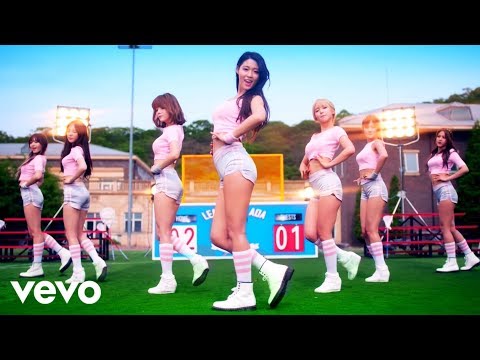
胸キュン
AOA
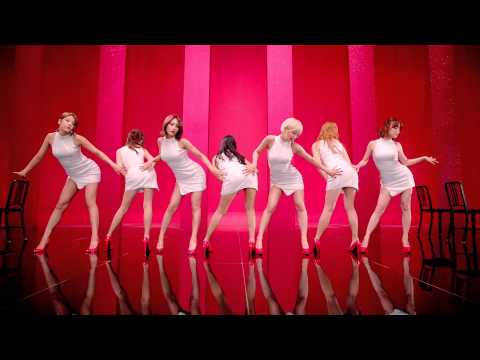
ミニスカート
AOA

짧은 치마
AOA

심쿵해
AOA
사뿐사뿐
AOA
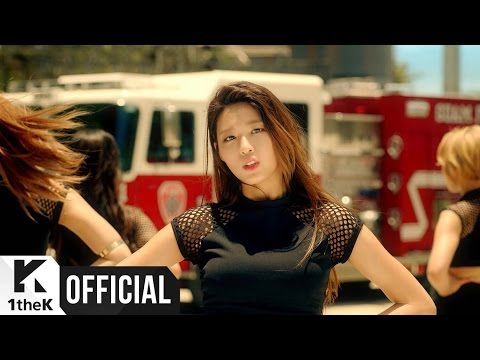
Good Luck
AOA

Excuse Me
AOA
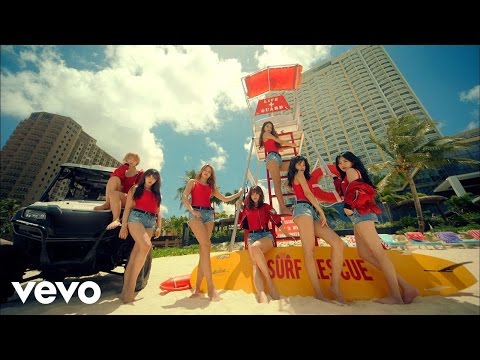
Good Luck
AOA
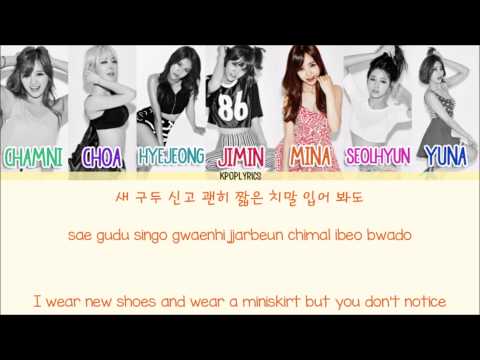
짧은 치마 (Mini Skirt)
AOA

짧은치마
AOA
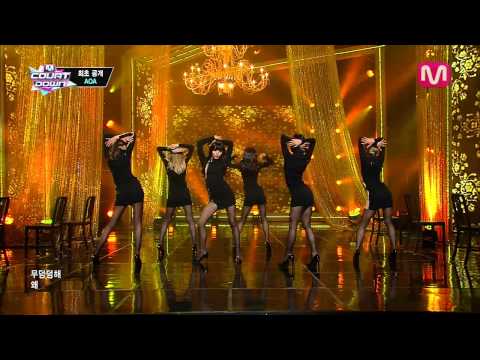
짧은 치마
AOA

짧은 치마
AOA
Wake
AOA
Chansons similaires
Rhythm Divine
Enrique Iglesias

Best Friend
Sofia Camara

Before The Light Goes
Melody Blush

Babydoll
Dominic Fike
Nevada
Vicetone, Cozi Zuehlsdorff

Nevada
Vicetone, Cozi Zuehlsdorff

Kings & Queens
Ava Max

Fake Happy
Paramore

Hard To Love
ROSÉ
¿Cómo Así?
Kali Uchis
Diosa
Kali Uchis

Te Mata
Kali Uchis
Dame Beso // Muévete
Kali Uchis
La Chica de Humo
Emmanuel

Just The Way You Are
Milky

Stay
Zedd, Alessia Cara

Perfect
Ed Sheeran

Girls Like You
Maroon 5, Cardi B

Shape of You
Ed Sheeran

Nothing's Gonna Change My Love For You
Isaac Hong, Park Jeong Woo