
Letras y Traducción
Vocabulario clave
| Vocabulario | Significados |
|---|---|
|
extrañar eks-tra-ñar A2 |
|
|
noches no-ches A1 |
|
|
estrellas es-tre-yas A1 |
|
|
mañanas ma-ña-nas A1 |
|
|
bellas be-yas A1 |
|
|
daño da-ño A2 |
|
|
camino ka-mi-no A1 |
|
|
lloro yo-ro A1 |
|
|
río ri-o A1 |
|
|
brilla bri-ya A2 |
|
|
frío fri-o A1 |
|
|
siento sien-to A2 |
|
|
árboles ar-bo-les A1 |
|
|
otoño o-to-ño A1 |
|
|
sueño swe-ño A2 |
|
|
amor a-mor A1 |
|
|
aurora au-ro-ra B1 |
|
|
virtudes vir-tu-des B1 |
|
|
errores e-ro-res A2 |
|
💡 ¿Qué palabra nueva de "Pero Te Extraño" te causa más curiosidad?
📱 Entra en la App para ver su significado, hacer frases y usarla en conversaciones!
Estructuras gramaticales clave
-
Te extraño
➔ Pronombre personal + Verbo
➔ El pronombre 'Te' (te) se usa como objeto indirecto, y 'extraño' (echo de menos) es el verbo conjugado en primera persona del singular.
-
Como se extrañan las noches sin estrellas
➔ Cláusula comparativa con 'Como'
➔ La frase 'Como se extrañan' introduce una cláusula comparativa, comparando el acto de extrañar con cómo se echan de menos las noches sin estrellas.
-
No estar contigo, por Dios, que me hace daño
➔ Construcción negativa + Expresión exclamativa
➔ La construcción negativa 'No estar contigo' (No estar contigo) es seguida por una expresión exclamativa 'por Dios, que me hace daño' (por Dios, me hace daño).
-
Porque te siento como algo muy mío
➔ Adverbio comparativo + Adjetivo posesivo
➔ El adverbio comparativo 'como' (como) se usa para comparar sentirte con algo muy personal, enfatizado por el adjetivo posesivo 'mío' (mío).
-
No te imaginas amor cómo te extraño
➔ Orden negativa + Pronombre de objeto directo
➔ La orden negativa 'No te imaginas' (No te imaginas) es seguida por el pronombre de objeto directo 'te' (te) y el verbo 'extraño' (echo de menos).
Mismo cantante
Candy
José José
Amor de Discoteque
José José

Mientras Llueve
José José

Amándote
José José

Gotas de Fuego
José José

Buenos Días, Amor
José José

Sentimientos
José José

Mañana No
José José

En Ti
José José
Sólo Yo Seguiré Siendo Tuyo
José José
Soy Como Quieres Tú
José José

La Primera Vez
José José

La noche de los dos
José José
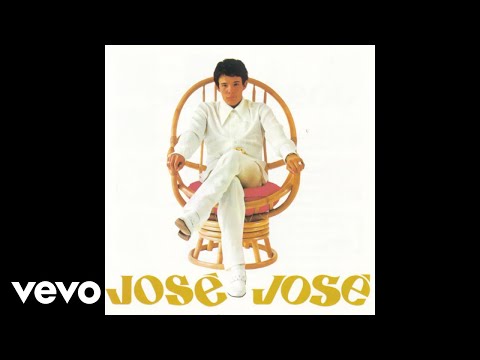
La Noche de los Dos
José José
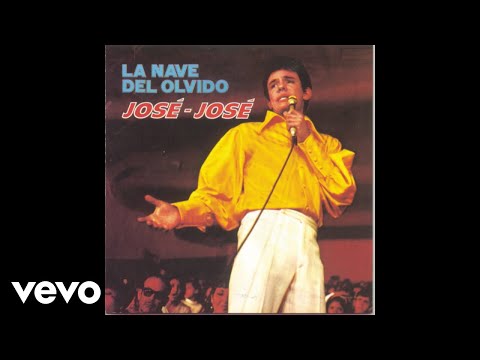
Avalancha
José José
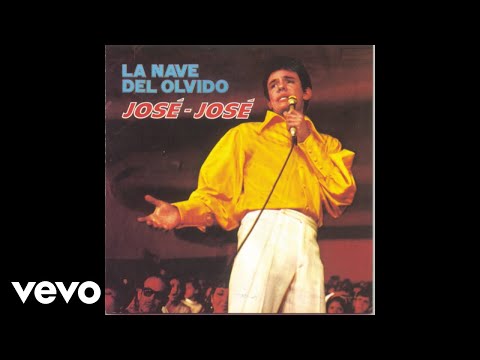
Si Alguien Me Dijera
José José
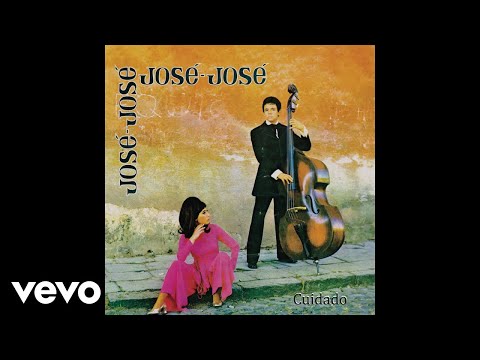
Presiento
José José

Será
José José

Ya Viví
José José

La Primera Vez
José José
Canciones relacionadas

My Skin's On Fire
Loving Caliber

Don't You Wanna Stay
Loving Caliber

Those Eyes
New West

We Don't Talk Anymore
Charlie Puth, Selena Gomez

Monster
Shawn Mendes, Justin Bieber

Never Be the Same
Camila Cabello

The 30th
Billie Eilish

Ordinary
Alex Warren

Girls Wanna Have Fun
Josh Fawaz

Gimme Dat Love
(G)I-DLE

花咲く道
ME:I

未完成婚姻論
超学生, マサ

しおざきわんだーらんど
M!LK, 塩﨑太智

des fleurs
Tove Lo, Stromae

WOKE UP IN TOKYO
BABYMONSTER
No Promises
Shayne Ward

No promises
Shayne Ward

DREAMERS
Jungkook, Fahad Al Kubaisi

Em Mới Là Người Yêu Anh
MIN
Attention
Charlie Puth