
Lyrics & Bản dịch
Từ vựng cần lưu ý
| Từ vựng | Nghĩa |
|---|---|
|
rufst rufst A2 |
|
|
fragst fragst A2 |
|
|
kommst kommst A2 |
|
|
spät shpɛːt A1 |
|
|
verstehe fɛɐ̯ˈʃteːə A2 |
|
|
Handy ˈhandi A1 |
|
|
Candy ˈkandi A1 |
|
|
Snacks snaks A1 |
|
|
Mama ˈmaːma A1 |
|
|
drücken ˈdʁʏkən A2 |
|
|
Kickbille ˈkɪkˌbɪlə B1 |
|
|
brau brau B1 |
|
|
Akku ˈaku A2 |
|
|
Strom ʃtʁoːm A2 |
|
|
verbrennen fɛɐ̯ˈbʁɛnən B1 |
|
“rufst” nghĩa là gì trong bài hát "Bungalow"?
Học nhanh – luyện sâu – ghi nhớ lâu hơn với bài tập tương tác trong app!
Cấu trúc ngữ pháp nổi bật
-
Du rufst mich an und fragst mich, wie es mir geht.
➔ Thì hiện tại (ngôi thứ 2 số ít) + các mệnh đề phối hợp + mệnh đề phụ được giới thiệu bằng "wie" (như thế nào).
➔ Động từ ""rufst"" ở thì hiện tại, ngôi thứ 2 số ít, và ""wie"" giới thiệu mệnh đề phụ diễn tả cách thức.
-
Ich rufe dich an und ich frage dich, wie es dir geht.
➔ Thì hiện tại (ngôi thứ 1 số ít) + các mệnh đề phối hợp + mệnh đề phụ với "wie".
➔ Động từ ""rufe"" ở thì hiện tại, ngôi thứ 1 số ít; ""wie"" lần nữa giới thiệu mệnh đề “như thế nào”.
-
Es tut mir leid, wenn ich das alles nicht verstehe.
➔ Mệnh đề chính + mệnh đề điều kiện "wenn" (nếu) diễn tả tình huống giả định.
➔ ""wenn"" giới thiệu một mệnh đề điều kiện; động từ ""verstehe"" ở thì hiện tại, chỉ sự không chắc chắn hiện tại.
-
Es tut dir leid, wenn ich nach Hause gehe.
➔ Mệnh đề chính + mệnh đề điều kiện "wenn"; tân ngữ dạng đốc từ "dir" đi kèm động từ "tut leid".
➔ ""dir"" là đại từ cách đốc, nghĩa là “đối với bạn”; mệnh đề "wenn ich nach Hause gehe" dùng thì hiện tại "gehe".
-
Komm vorbei, mein Blau.
➔ Câu mệnh lệnh (ngôi thứ 2 số ít) kèm cụm danh từ gọi tên.
➔ ""Komm"" là dạng mệnh lệnh của "kommen" nghĩa là “đến”; "mein Blau" gọi người nghe.
-
Ich habe Snacks für die Mama.
➔ Hiện tại hoàn thành "haben + tân ngữ" diễn tả sở hữu; giới từ "für" + tân ngữ ở cách tên.
➔ ""habe"" (từ "haben") đi cùng tân ngữ "Snacks" để nghĩa “tôi có snack”. ""für"" giới thiệu người hưởng lợi "die Mama".
-
Ich brauche mehr Strom.
➔ Thì hiện tại đơn của động từ "brauchen" (cần) với tân ngữ ở cách tên.
➔ ""brauche"" (từ "brauchen") là động từ thường ở thì hiện tại; "mehr Strom" là tân ngữ, nghĩa “nhiều điện hơn”.
-
Dann rufst du an auf meinem Handy.
➔ Trạng từ chỉ thời gian "Dann" (rồi) + động từ hiện tại + cụm giới từ "auf meinem Handy".
➔ ""Dann"" chỉ ra sự nối tiếp; "rufst" là thì hiện tại ngôi thứ 2 số ít của "rufen"; "auf meinem Handy" nghĩa “trên điện thoại của tôi”.
-
Wir drücken schon Schola.
➔ Thì hiện tại số nhiều "Wir" + động từ "drücken"; trạng từ "schon" nghĩa đã.
➔ ""drücken"" là dạng hiện tại cho chủ ngữ số nhiều "Wir"; "schon" nhấn mạnh hành động đã đang diễn ra.
Album: Magic Life
I ♥ Stress
Bilderbuch
Magic Life
Bilderbuch

Bungalow
Bilderbuch
Erzähl Deinen Mädels Ich Bin Wieder In Der Stadt
Bilderbuch
Baba
Bilderbuch
Babylon
Bilderbuch

Erzähl deinen Mädels ich bin wieder in der Stadt
Bilderbuch, Kersha Bailey

Erzähl Deinen Mädels Ich Bin Wieder In Der Stadt
Bilderbuch

Babylon
Bilderbuch
Babylon
Bilderbuch
Cùng ca sĩ

Gigolo
Bilderbuch
Sandwishes
Bilderbuch
Lounge 2.0
Bilderbuch
Maschin
Bilderbuch
Mein Herz Bricht
Bilderbuch
Memory Card
Bilderbuch
I ♥ Stress
Bilderbuch
Magic Life
Bilderbuch
Bungalow
Bilderbuch
Erzähl Deinen Mädels Ich Bin Wieder In Der Stadt
Bilderbuch
Magic Life
Bilderbuch
Baba
Bilderbuch
Babylon
Bilderbuch
Erzähl deinen Mädels ich bin wieder in der Stadt
Bilderbuch, Kersha Bailey
Erzähl Deinen Mädels Ich Bin Wieder In Der Stadt
Bilderbuch

Magic Life
Bilderbuch

sneakers4free
Bilderbuch
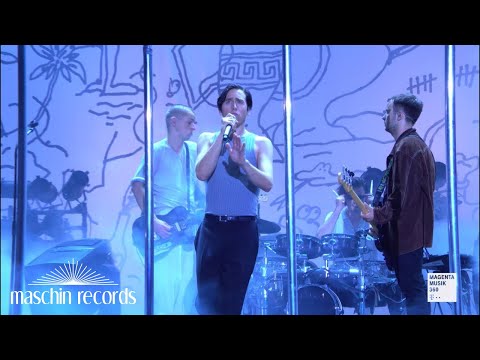
Babylon
Bilderbuch
Babylon
Bilderbuch
Babylon
Bilderbuch
Bài hát liên quan
The Way It Is
The Strokes
I Can't Win
The Strokes
You Talk Way Too Much
The Strokes
Lemon Tang
Hearts2Hearts

Heat Waves
Glass Animals

Darling I Do
Landon Pigg, Lucy Schwartz
GROSEILLE
Timar
Mention Me
Cortis
GREENGREEN
CORTIS

Call Me Out
Loving Caliber

I Can't Find You
Loving Caliber

Wrong
Loving Caliber

Stay Here With Me
Loving Caliber, Viktor Pedersen

You Got Me Too
Loving Caliber
Plane Tickets
Loving Caliber

My Skin's On Fire
Loving Caliber

Those Eyes
New West
Sunset
Nerd Connection
なんもねえ
Wasureranneyo

REDRED
CORTIS