
Letras e Tradução
Vocabulário chave
| Vocabulário | Significados |
|---|---|
|
涙 /nama/ A1 |
|
|
過去 /kako/ A2 |
|
|
未来 /mirai/ A2 |
|
|
意味 /imi/ A2 |
|
|
輝く /kagayaku/ B1 |
|
|
魔法 /mahou/ B1 |
|
|
運命 /unmei/ B1 |
|
|
燃える /moe/ B2 |
|
|
絶望 /zetsubou/ B2 |
|
|
反逆 /hangyaku/ C1 |
|
|
占星術 /senseisutsu/ C1 |
|
|
統計学 /toukeigaku/ C1 |
|
|
采配 /saibai/ C2 |
|
|
堂々巡り /doudoumeguri/ C2 |
|
|
無造作 /mouzosaku/ C2 |
|
“涙, 過去, 未来” – já entendeu tudo?
⚡ Descubra os exercícios de vocabulário no app e revise logo depois de curtir "賜物"!
Estruturas gramaticais chave
-
涙に用なんてないっていうのに やたらと縁がある人生
➔ Uso de dupla negação para ênfase
➔ A frase "用なんてないっていうのに" (não há necessidade de lágrimas, mas) usa dupla negação para enfatizar o contraste entre a falta de necessidade de lágrimas e a realidade de uma vida cheia de conexões emocionais.
-
「産まれた意味」書き記された 手紙を僕ら破いて
➔ Uso da voz passiva com ~られる
➔ O verbo 「書き記された」 (kaki-shirusa re ta) está na voz passiva, indicando que o significado da vida foi escrito por alguém ou algo, não pelos próprios sujeitos.
-
生まれながらに反逆の旅人
➔ Uso de ~ながら para expressar contraste
➔ A frase 「生まれながらに」 (umare nagara ni) significa 'desde o nascimento,' e quando combinada com 「反逆の旅人」 (hangyaku no tabibito, 'viajante rebelde'), cria um contraste entre a natureza inata e o caminho escolhido.
-
道理も通る隙間もないような日々だが 今日も超絶G難度人生を
➔ Uso de ~ような para expressar um estado ou condição
➔ A frase 「道理も通る隙間もないような日々」 (michi mo toru sukima mo nai you na hibi) usa ~ような para descrever dias onde não há espaço para a razão, enfatizando a dificuldade e a estreiteza da vida.
-
君が握ってて なぜにどうして?
➔ Uso de ~ていて para expressar ação contínua
➔ A frase 「君が握ってて」 (kimi ga nigitte te) usa ~ていて para indicar uma ação contínua, sugerindo que a pessoa está segurando algo de maneira consistente.
-
「間違いなんかない」って誰かが言う
➔ Uso de ~って para citar
➔ A frase 「『間違いなんかない』って誰かが言う」 usa ~って para citar o que alguém disse, enfatizando a declaração 'não há erros.'
-
一か八かよりも確かなものは何かなんて言ってる場合なんかじゃないじゃんか
➔ Uso de ~なんて e ~じゃないか para ênfase e perguntas retóricas
➔ A frase usa ~なんて para descartar a ideia de 'o que é mais certo do que uma aposta' e ~じゃないか para enfatizar a pergunta retórica, sugerindo que não há tempo para tais dúvidas.
-
どんな運命でさえも二度見してゆく 美しき僕たちの無様
➔ Uso de ~てゆく para expressar ação progressiva
➔ A frase 「二度見してゆく」 (nidomi shite yuku) usa ~てゆく para expressar uma ação progressiva, indicando que o ato de 'olhar duas vezes' para qualquer destino continua ao longo do tempo.
-
There’s no time to surrender
➔ Uso do presente para ênfase
➔ A frase 'There’s no time to surrender' usa o presente para enfatizar a imediatez e urgência da situação, sugerindo que render-se não é uma opção neste momento.
Mesmo Cantor

賜物
RADWIMPS
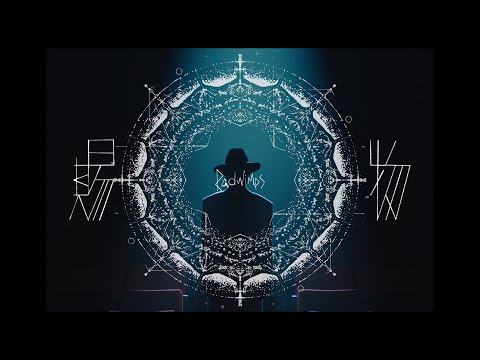
賜物
RADWIMPS
正解
RADWIMPS
カナタハルカ
RADWIMPS
すずめ
RADWIMPS, 十明
MAKAFUKA
RADWIMPS

夏のせい
RADWIMPS

Light The Light
RADWIMPS
愛にできることはまだあるかい
RADWIMPS
泣き出しそうだよ
RADWIMPS,あいみょん

洗脳
RADWIMPS
前前前世
RADWIMPS

君と羊と青
RADWIMPS
DADA
RADWIMPS
ふたりごと
RADWIMPS
いいんですか?
RADWIMPS
あいたい
RADWIMPS
Nandemonaiya
RADWIMPS
いいんですか?
RADWIMPS
Músicas Relacionadas

My Skin's On Fire
Loving Caliber
Don't You Wanna Stay
Loving Caliber

Those Eyes
New West

We Don't Talk Anymore
Charlie Puth, Selena Gomez

Monster
Shawn Mendes, Justin Bieber

Never Be the Same
Camila Cabello

The 30th
Billie Eilish

Ordinary
Alex Warren

Girls Wanna Have Fun
Josh Fawaz

Gimme Dat Love
(G)I-DLE

花咲く道
ME:I

未完成婚姻論
超学生, マサ
しおざきわんだーらんど
M!LK, 塩﨑太智

des fleurs
Tove Lo, Stromae
WOKE UP IN TOKYO
BABYMONSTER

No Promises
Shayne Ward
No promises
Shayne Ward

DREAMERS
Jungkook, Fahad Al Kubaisi

Em Mới Là Người Yêu Anh
MIN

Attention
Charlie Puth